Follow us:
  • shabang01
  • shabang02
  • shabang03
  • shabang04
Leave Your Message
0%

So, why should your business consider using an ATM deposit machine? Well, it all boils down to the fact that cash still plays a big role in everyday transactions. For example, the Federal Reserve’s 2024 Diary of Consumer Payment Choice showed that about 16% of all payments in 2023 were made with cash. Plus, a whopping 83% of people used cash at least once in the month before the report. Over in the euro area, the European Central Bank’s 2024 SPACE study found that cash remains the most common payment method at points of sale, accounting for around 52%. Crazy, right?

Now, that persistent demand for cash creates some practical headaches. For one, staff often end up counting bills right next to a busy checkout counter or scrambling to prepare deposits after the store closes. And handling cash can mean lots of manual steps—stuff that eats up time and can lead to errors. That’s where a deposit machine, like a Deposit Machine ATM, really comes in handy. It can authenticate notes, automatically record all the transaction details, and even print out a receipt right near the cash area. So, you end up with less clutter (no more loose envelopes piling up) and a much clearer audit trail for your managers and finance team.

Mike Lee, who’s the CEO of the ATM Industry Association, casually drops the line, “Cash is still king.” It’s straightforward, but making the call to go with an ATM isn’t always that simple. Deploying one means installing it properly, keeping it maintained, training staff, and setting up secure cash handling procedures. Plus, it can reject worn-out or peculiar notes, which can be irritating for employees trying to process everything smoothly.

That said, having an ATM deposit machine can really help with accurate cash counting and faster reconciliation, giving your daily operations a boost of control. The key thing is to look at the actual results — think about deposit errors, how much staff time you save, the fees involved, and overall cash volumes — before jumping in. An ATM isn’t some magic wand that’ll fix everything overnight. Instead, it’s a handy, controlled tool to streamline operations and reduce hassle.
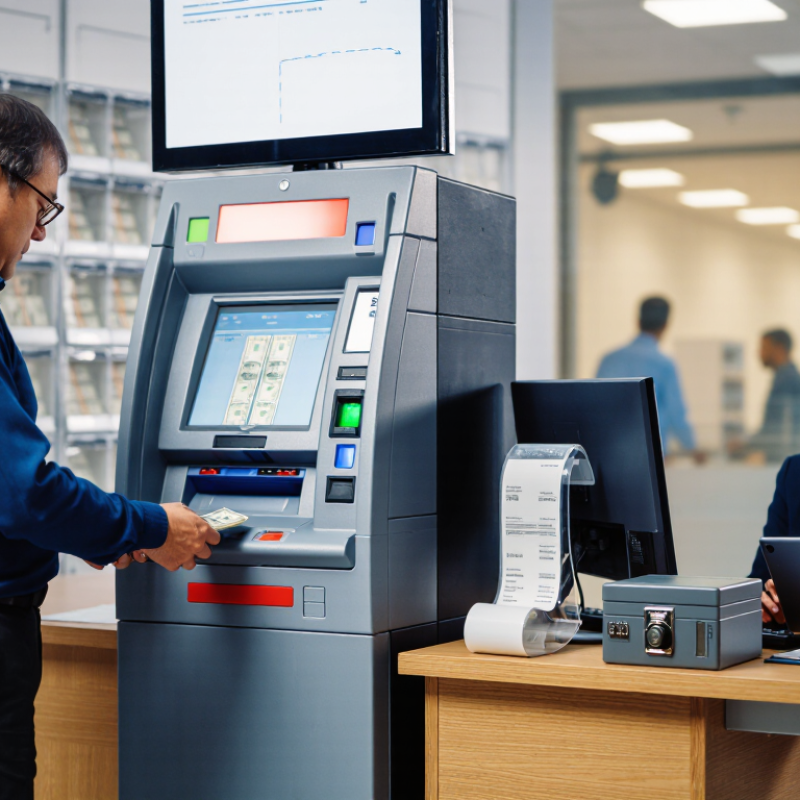
Why Choose an ATM Deposit Machine for Your Business?

What Is an ATM Deposit Machine?

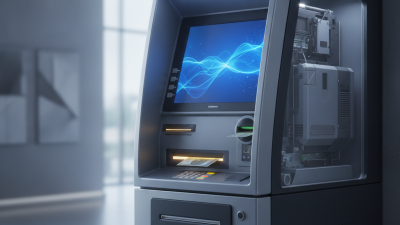
An Atm Deposit Machine is a self-service device that accepts cash or checks without staff handling every transaction. It usually counts notes, checks for visible damage, and records the deposited amount. A receipt shows the date, time, and transaction value. Some deposits appear immediately, while others require verification before funds become available.

For a small shop, the machine can stand near the service counter or inside a secure lobby. A cashier places banknotes into the intake slot. The device scans them, displays the total, and asks the user to confirm it. This process can reduce counting mistakes during busy hours. It also gives staff more time for customers and daily operations.

Security features may include user authentication, internal monitoring, sealed cash storage, and encrypted transaction records. Still, the machine is not flawless. A folded note may be rejected. A damaged check may need manual review. Staff should compare receipts with transaction logs and arrange regular cash collection. Clear instructions also matter, especially for older users or anyone unfamiliar with self-service equipment. Based on practical retail use, the best placement is visible, well-lit, and away from crowded walkways. A deposit machine saves effort, but it does not remove the need for careful oversight.

How Does an ATM Deposit Machine Work?

An ATM deposit machine lets customers and staff place cash or checks into a secure terminal without a teller. The process begins when the user authenticates with a card, account number, or approved mobile code. A clear screen then asks for the deposit type and account destination. The machine opens its intake slot only after the transaction details are confirmed.

Small detail, big difference.

For cash deposits, internal sensors count each note and check for jams, damaged notes, and possible duplicates. The user sees the counted amount on screen and can accept or reject it before final submission. Checks are scanned, and their images and data are linked to the transaction record. After confirmation, the machine seals the deposit in an internal compartment and prints or sends a receipt.

In my experience, visible counting reduces disputes, but it does not replace staff review.

The transaction is encrypted and transmitted to the business’s banking system. Depending on the institution’s policy, funds may appear immediately or remain subject to verification. Cameras, access logs, alerts, and cash-level monitoring help operators detect errors and schedule servicing. Employees should reconcile receipts with account records each day. Machines are not perfect. A wrinkled note, network delay, or unclear instruction can interrupt a deposit, so accessible support still matters.

What Deposit Services Can Businesses Offer?

Why Choose an ATM Deposit Machine for Your Business?

Businesses can offer more than cash withdrawals through an ATM deposit machine. Customers may deposit cash, checks, or mixed payments near the counter. Some machines provide instant receipts and transaction confirmations. Others support envelope-free deposits, reducing manual counting and paper handling. The Federal Reserve’s 2024 Diary of Consumer Payment Choice reports that cash represented 16% of consumer payments in 2023. That share is smaller than before, but it remains meaningful for convenience stores, restaurants, and service counters. Check deposits also remain relevant for business-to-business transactions.

Deposit access can improve closing routines. Staff can place daily takings into a secure machine before leaving. This may reduce cash exposure during busy evening hours. However, the machine is not magic. Poor reconciliation can still create errors. The 2024 AFP Payments Fraud and Control Survey found that 80% of organizations faced attempted or actual payments fraud in 2023. Businesses should use user authentication, audit trails, deposit limits, and regular account matching. Experience shows that simple controls often outperform complicated procedures.

Tips: Start with your busiest deposit period. Test receipt clarity and network reliability. Keep a manual fallback. Review exceptions every week. One overlooked detail matters: customers may need clear instructions beside the screen.

How Does It Improve Cash Handling Efficiency?

Why Choose an ATM Deposit Machine for Your Business?

How Does It Improve Cash Handling Efficiency?

In a busy retail store, cash can collect quickly at several checkout points. Staff may count notes, seal bags, and record totals during a rushed closing shift. An ATM deposit machine moves much of this work to one controlled station. Employees deposit cash directly, while the machine counts notes and records the transaction time. This reduces repeated manual counting and gives managers a clearer cash trail.

The efficiency gain is practical. A supervisor can review deposit records without searching through handwritten sheets. Cash stays secured inside the unit, reducing unnecessary handling between tills and the back office. Some machines also identify suspicious or damaged notes, but performance depends on regular maintenance and proper setup. Daily reports can help compare deposited amounts with point-of-sale records. Small differences become easier to investigate.

It is not a magic fix. Staff still need training, access controls, and a clear procedure for errors. I have seen businesses focus on speed and overlook receipt checks. That creates avoidable confusion. A reliable process should include shift-based reconciliation, scheduled collection, and documented maintenance. Managers should also test the machine during busy periods, not only during quiet hours. Real efficiency comes from combining accurate equipment with disciplined habits.

What Security Features Protect Deposits?

Why Choose an ATM Deposit Machine for Your Business?

A Cash Deposit Machine Atm can reduce counter queues and improve deposit handling. Its security begins with controlled access. Staff may use individual credentials, PINs, or biometric verification before opening the service area. This creates a clear record of who performed each action. Short sessions help prevent unauthorized use.

Modern machines use encrypted communication to protect transaction data during transmission. Internal cameras can record the deposit area, while tamper sensors detect forced entry or unusual movement. Some systems send immediate alerts when doors open unexpectedly. These features support faster investigation. They do not replace trained staff.

Cash validation is another important layer. Sensors check notes for size, thickness, and suspected counterfeiting indicators. The machine then stores accepted cash inside a locked cassette. Dual-control procedures can require two authorized employees to access it. Transaction receipts and digital logs should match the physical cash count. Small differences matter.

Security also depends on installation and maintenance. A machine placed beside an unmonitored exit may create avoidable risk. Software updates, camera checks, and routine inspections should follow a documented schedule. No device is perfect. I would still review access logs regularly, because a secure design can fail through careless permissions or rushed servicing. Supplier support, staff training, and clear incident procedures make the protection more reliable.

Why Choose an ATM Deposit Machine for Your Business? - What Security Features Protect Deposits?

Security Dimension How It Protects Deposits Typical Control or Technology Business Benefit Recommended Verification
Customer authentication Restricts deposit access to authorized users and helps prevent unauthorized transactions. Personal identification numbers, employee IDs, access cards, or multi-factor authentication. Improves accountability and reduces the risk of unauthorized use. Confirm supported authentication methods and role-based access settings.
Deposit validation Checks deposited notes for denomination, authenticity indicators, size, orientation, and possible duplicates. Optical and magnetic sensors, note-counting mechanisms, and counterfeit detection systems. Reduces counting errors and helps identify suspicious or unacceptable notes. Request documented acceptance criteria and testing procedures for local currency.
Secure cash storage Stores accepted deposits inside a locked, access-controlled cash compartment. Reinforced safe, lockable cassette, restricted service access, and controlled cash removal procedures. Limits exposure to cash during routine operations and collection. Review safe construction, access permissions, and cash-in-transit procedures.
Tamper detection Detects attempts to open, move, drill, cut, or otherwise interfere with the machine. Door sensors, safe sensors, vibration detection, tilt detection, and alarm outputs. Supports rapid response and creates evidence of attempted interference. Check alarm integration, event notifications, and tamper-event testing records.
Transaction audit trail Records transaction details so deposits can be reconciled with internal accounting records. Time-stamped transaction logs, receipt records, operator IDs, deposit totals, and exception reports. Makes discrepancies easier to investigate and improves operational transparency. Confirm log retention periods, export options, time synchronization, and administrator access controls.
Data encryption Protects transaction and account information while it is transmitted or stored. Encrypted communications using current TLS configurations and encrypted local storage where supported. Reduces the risk of data interception or unauthorized access. Ask for current encryption specifications, certificate management practices, and key protection controls.
Payment data protection Helps protect payment-card data when card-based authentication or related services are used. PCI DSS-aligned controls, secure PIN entry, payment application protections, and restricted card-data storage. Supports safer payment processing and compliance planning. Request applicable compliance documentation and define responsibility for the business environment.
Video surveillance Provides visual evidence of users, deposit activity, servicing, and suspicious behavior. Integrated or nearby CCTV with appropriate placement, time synchronization, and access restrictions. Deters misuse and assists investigations and dispute handling. Check privacy notices, retention policies, camera coverage, and local legal requirements.
Network and software security Reduces exposure to unauthorized remote access, malware, and unpatched vulnerabilities. Secure boot, application allowlisting, firewalls, network segmentation, patch management, and malware protection. Improves resilience and helps protect both deposits and business systems. Review update procedures, vulnerability response, remote-support controls, and security testing.
Operational reconciliation Compares machine records, physical cash, receipts, and accounting entries to identify discrepancies. Daily balancing, exception reports, dual-control cash handling, and documented collection procedures. Reduces unexplained variances and strengthens internal controls. Define reconciliation frequency, responsible personnel, escalation rules, and record retention.
Availability and failure handling Prevents incomplete or ambiguous transactions from being treated as successfully deposited. Power-failure recovery, jam detection, receipt status messages, offline restrictions, and controlled restart procedures. Improves customer confidence and reduces disputes caused by interruptions. Test power loss, network interruption, rejected notes, jams, and receipt or record recovery.

Note: Security capabilities vary by configuration, jurisdiction, currency, software, and operating procedures. A complete security assessment should review the machine, network, physical location, cash-handling process, and applicable legal or compliance requirements together.

How Can It Reduce Operational Costs?

An Atm Cash Deposit Machine can reduce the daily cost of handling cash. It accepts deposits beyond normal counter hours, helping businesses serve customers without extending staff shifts. Employees spend less time counting notes, preparing slips, and correcting manual entries. That time can move toward customer service or stock control.

The savings become clearer in busy stores. A cashier can place cash into the machine after a shift, while the system records the amount and transaction time. Fewer handoffs may reduce counting errors and internal reconciliation work. Businesses may also lower transport frequency when deposits are securely consolidated. Small savings add up.

It is not a magic box. Purchase, maintenance, software support, cash collection, and staff training still require budget planning. A low-volume location may wait years before recovering the investment. Poor placement can create another problem. Customers may ignore it. Managers should review deposit volume, labor rates, service fees, and expected uptime before choosing an Atm Cash Deposit Machine. Independent transaction records and regular audits also support reliable financial controls. Actual results vary, and that uncertainty deserves attention.

Why Choose an ATM Deposit Machine for Your Business?

Estimated annual operating costs for processing 10,000 cash deposits. This transparent scenario assumes a $20 hourly labor cost and compares a manual deposit workflow with an ATM-assisted workflow.

By reducing staff time spent counting, recording, and reconciling deposits, an ATM-assisted process can lower labor and cash-handling expenses. Actual savings depend on transaction volume, staffing costs, machine capacity, maintenance, and installation expenses.

What Should Businesses Consider Before Choosing One?

Before choosing an Automated Teller Machine Machine, assess the customers who will actually use it.

The Federal Reserve’s 2024 Diary of Consumer Payment Choice found that cash represented 16% of U.S. consumer payments in 2023. That share is smaller than card use, but still significant. A cash machine may serve late-night workers, older customers, and visitors who prefer physical money. Review transaction records, peak hours, average withdrawal values, and nearby cash access. A busy Friday evening can expose weak replenishment planning quickly.

Security and operating costs deserve equal attention. Ask about camera coverage, tamper alerts, encryption, accessibility, weather protection, and software updates. Confirm who loads cash and how emergency service works. The World Bank’s Global Findex 2021 reported that 76% of adults worldwide had a financial account, yet access remains uneven across communities. Placement still matters. A machine behind a locked door is not truly convenient. Calculate installation, cash handling, electricity, connectivity, maintenance, insurance, and downtime. The machine price is only one line. A neat spreadsheet can still lie when service delays are ignored. Businesses should also check local accessibility and financial regulations with qualified professionals before installation.

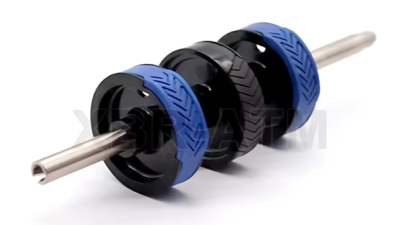
Factory Wholesale Guide to Diebold Opteva ATM Feed Shafts: Aggressive vs. Non-Aggressive Options

For ATM feed shaft replacement, choosing between aggressive and non-aggressive options depends on the condition of the transport path and the handling requirements of the media. Aggressive feed shafts provide stronger traction and are suitable for applications where rollers need to maintain firm contact with worn, dusty, or difficult-to-feed notes. Non-aggressive shafts offer a gentler feeding action, helping reduce surface marking, friction, and unnecessary stress on delicate media. Selecting the correct profile can support smoother feeding and help reduce recurring jams during routine operation.

Available part numbers include 49204018000A, 49204018000C, 49204018000D, and 49204018000E. These feed shafts are manufactured in China and supplied in new condition, making them suitable for scheduled maintenance, repair stock, or equipment refurbishment. Products are currently in stock, with a minimum order quantity of one unit and a 90-day warranty. Payment can be arranged by T/T, Western Union, or PayPal, offering flexible purchasing options for service companies and maintenance teams.

FAQS

How does a cash deposit machine improve daily cash handling?

It moves deposits to one controlled station. Staff place cash inside after each shift. The machine counts notes and records transaction times. Less repeated counting. Managers can review clearer records.

Can it reduce mistakes during cash reconciliation?

Yes, it can reduce manual entry errors and repeated handoffs. Daily reports help compare deposits with sales records. Small differences become easier to investigate. Receipt checks still matter. Machines are not perfect.

How can it lower operational costs?

Staff spend less time counting notes and preparing deposit slips. Deposits can continue beyond normal counter hours. Employees may focus on customers or stock control. Small savings add up. Not every location saves money quickly.

What costs should a business include before buying one?

Include installation, maintenance, software support, electricity, connectivity, insurance, and cash collection. Staff training also needs funding. The machine price is only one line. Service delays can quietly increase costs.

Is a cash deposit machine suitable for every business?

No. High-volume stores may gain more from faster processing. Low-volume locations may wait years to recover the investment. Review deposit amounts, labor rates, and expected uptime. A neat spreadsheet can still mislead.

Where should the machine be placed?

Choose a visible, accessible location near regular staff activity. Avoid hidden corners and difficult entrances. Check camera coverage, lighting, weather protection, and network access. Placement affects convenience. A locked room may defeat the purpose.

What security features should businesses review?

Ask about tamper alerts, encryption, access controls, software updates, and camera coverage. Confirm who can load or collect cash. Document emergency service procedures. Security requires habits too. One weak password can create confusion.

What procedures should staff follow?

Staff should deposit cash by shift and check the receipt immediately. Managers should reconcile totals with sales records. Schedule collection and maintenance regularly. Train everyone on error handling. Test the machine during busy periods, not only quiet hours.

Conclusion

An Atm Deposit Machine is a self-service banking device that enables businesses and their customers to deposit cash, checks, or other approved payment items quickly and conveniently. It typically verifies deposits, counts cash, records transaction details, and provides a receipt, allowing funds to be processed with less manual intervention. Businesses may use it to offer cash deposits, check deposits, account credits, balance updates, and extended after-hours service.

By automating routine deposit tasks, the machine can improve cash-handling efficiency, reduce counting errors, and minimize the time employees spend transporting or processing money. Security features such as user authentication, transaction monitoring, encrypted data, secure storage, cameras, and tamper alerts help protect deposits. Before choosing a system, businesses should evaluate deposit types, processing speed, capacity, software compatibility, maintenance, accessibility, security requirements, and total operating costs. A suitable solution can enhance customer convenience while supporting more organized and cost-effective financial operations.
Lila

Lila

Lila is a highly skilled marketing professional at Shenzhen Xinbangrong Technology Co., Ltd. (XBR), a company she has been passionately contributing to since its founding in 2014. With a deep understanding of the ATM industry, Lila plays a pivotal role in showcasing the comprehensive product......
Previous What Are the Best ATM Parts Suppliers in 2026?