Follow us:

Leave Your Message
-
Whatsapp

-
WeChat



So an Automatic Bill Counter is basically a machine that counts bills by feeding them through a sensor system, then gives you a total—and on many models, it'll flag potential errors too. For a cashier closing out a shift, it can take a messy pile of mixed notes and turn it into a final count in just a few minutes. You know, some models go a step further—they’ll catch counterfeit features, sort bills by denomination, or even keep track of batch totals. But here's the thing: features aren’t all the same, so just because it says “automatic” doesn’t mean it can’t make a mistake.
Cash isn’t going anywhere, you know? It’s still a regular part of how people pay for things. The Fed’s 2024 Diary of Consumer Payment Choice found that cash made up about 16% of consumer payments in the U.S. back in 2023. And no, that number isn’t about how many bill-counting machines got sold—it’s about actual payment habits. But it does help explain why a lot of retailers, restaurants, and folks who handle cash day in and day out still need reliable counting procedures. A good cash counter can save you from all that repetitive manual work and make end-of-day reconciliation way more consistent. That said, it’s not a replacement for staff checks.
Details matter—probably more than people expect. Feed direction, note condition, counting speed, maintenance: they all affect the results. A worn or folded bill can stop the feed dead or make the count mismatch. For a small business, a basic batch counter is usually enough. But banks and high-volume cash rooms? They need faster processing and stronger verification, no question. The machine is only part of the story, though. Staff still need to compare the displayed totals to their records and follow the manufacturer’s instructions. Even a good counter deserves a second look.
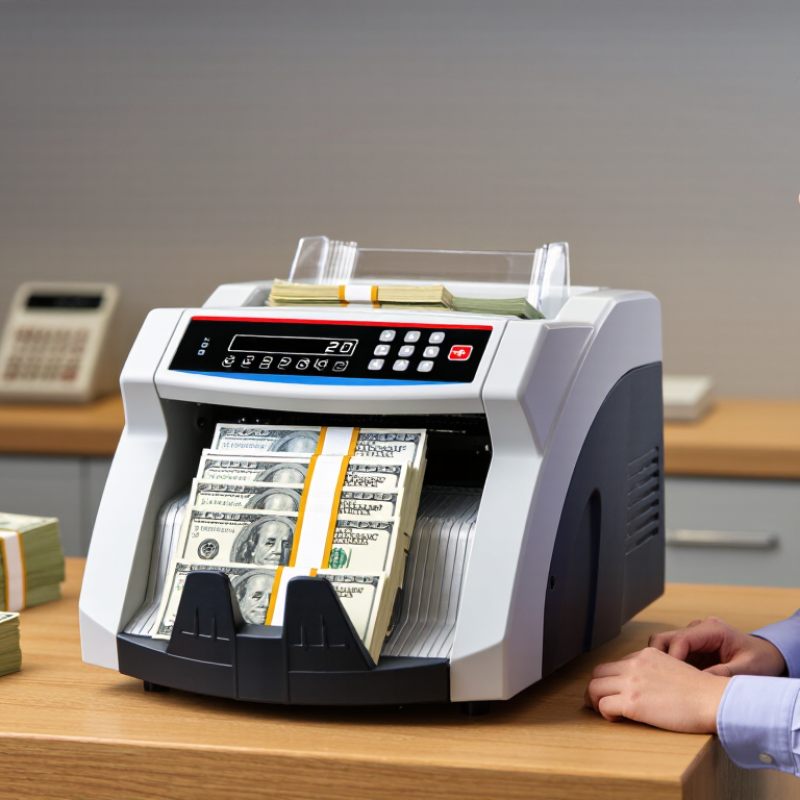
An automatic bill counter is a machine that feeds paper banknotes through sensors and counts them without requiring someone to tally each note by hand. Its main purpose is to make cash handling faster and more consistent in places that process frequent payments or deposits. Depending on the model, it may also detect double-fed, damaged, or suspicious notes. These features vary, so a count alone should not be treated as proof that every note is genuine. That distinction matters.
Businesses use counters to check cash drawers, prepare deposits, and compare a machine’s total with a written record. Some models count mixed denominations and calculate a total value; others only report the number of notes. An Automatic Atm Machine serves a different purpose: it handles banking transactions, while a bill counter processes notes. Even a reliable counter can miss a feed error, especially when notes are folded, damp, or stuck together. Small errors happen. Staff should still confirm unusual results and follow the machine’s operating guidance.
Tips: Keep notes flat and remove clips before loading them. Start with a small test batch when using an unfamiliar counter. If the displayed total seems wrong, recount the stack manually; it takes time, but skipping that check can create a larger discrepancy.
| Dimension | Description | Practical Purpose |
|---|---|---|
| Definition | An automatic bill counter is an electronic machine that feeds and counts banknotes individually. | It helps users process stacks of notes faster and more consistently than manual counting. |
| Counting method | Notes are placed in a hopper and moved through the machine by a feeding mechanism. Sensors register each note as it passes. | The machine displays the number of notes counted and can stop if it detects a feeding issue. |
| Basic count mode | Counts the number of notes without determining their monetary value. | Useful when counting a stack of notes that are already sorted by denomination. |
| Value counting | Some models identify denominations and calculate a total value. Available currencies and functions depend on the model. | Can help total mixed-denomination notes when the machine supports the relevant currency. |
| Batch counting | Allows the user to set a target quantity, such as a selected number of notes per bundle. | Helps prepare consistent bundles for cash drawers, deposits, or internal cash handling. |
| Error detection | Depending on the model, sensors may flag issues such as a double feed, chain feed, or a note that is too short or too long. | Prompts the operator to check the notes and resolve counting interruptions. |
| Counterfeit screening | Some machines include detection features such as ultraviolet, magnetic, infrared, or image-based checks. Features and effectiveness vary by model and currency. | Provides an additional screening step; flagged notes should be checked according to the user's procedures. |
| Typical users | Common users include retail cash offices, banks, cash-handling teams, and other organizations that process banknotes. | Supports routine cash reconciliation and note preparation. |
| Important limitation | A bill counter does not replace careful cash-handling practices. Counting speed, supported currencies, note condition limits, and detection functions differ by model. | Operators should follow the machine's instructions and verify results when required. |
A banknote sorting machine can make routine cash handling more organized and efficient. Instead of manually counting and arranging notes one by one, staff can process banknotes through a consistent workflow, helping reduce repetitive tasks and keep cash preparation moving smoothly. This can be useful in settings where notes need to be counted and sorted regularly, such as retail operations, financial offices, and cash-processing areas.
A well-planned sorting process also helps staff prepare cash for daily transactions, reconciliation, or storage with less unnecessary handling. Keeping notes grouped and organized can make it easier to review totals, identify discrepancies, and maintain a tidy work area. By incorporating a banknote sorting machine into existing procedures, teams can spend less time on manual cash preparation and more time on other operational responsibilities. The machine can support a more consistent approach to handling banknotes while fitting into established cash-management routines.
It feeds paper banknotes through rollers and counts them with sensors. This reduces manual tallying.
Place notes in the hopper, adjust the guides, and start the machine. Rollers pull notes through one at a time. The display updates quickly.
No. Basic models count notes, while value counters identify denominations and add their amounts. Mixed-value models handle several denominations together.
A batch counter stops at a preset number, such as 100 notes. It suits prepared bundles, but may not identify note values.
Not completely. Folded, damp, worn, or stuck-together notes can cause feed errors. Recount any bundle with an unusual result.
Remove clips and flatten folded edges before loading. Fan out notes that cling together. Keep the guides snug.
Clear dust from the feed area and test it with clean, flat notes before a busy shift. Small checks matter.
No. It speeds up routine counting, but staff should compare totals with written records. A screen can feel reassuring—perhaps too reassuring.
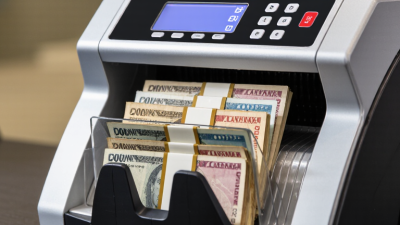
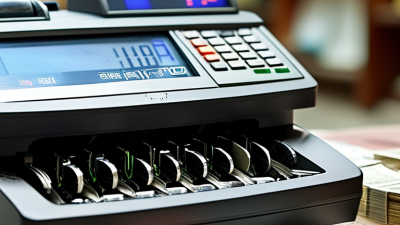
An Automatic Bill Counter is a machine designed to count banknotes quickly and consistently, helping businesses handle cash with greater efficiency than manual counting. It typically feeds bills through a mechanism that separates and moves them past sensors, which track each note and calculate the total. Its main components may include a hopper, feeding rollers, a counting display, and sensors that check note size, thickness, or other physical features.
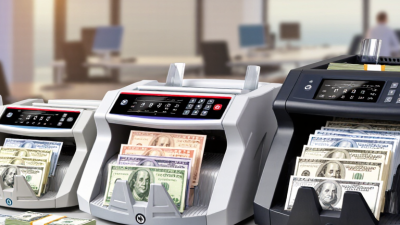
Automatic Bill Counters come in different types, from basic models that count notes to machines with batch counting and denomination detection. Depending on their features, they may also flag possible miscounts or notes that differ from expected physical patterns. Accuracy depends on proper setup, clean sensors, and suitable banknotes. These machines are commonly used in retail, hospitality, offices, and other settings that process cash. Routine maintenance—such as removing dust, checking the feed path, and following the manufacturer’s cleaning guidance—helps keep counting reliable.