Follow us:
  • shabang01
  • shabang02
  • shabang03
  • shabang04
Leave Your Message
0%

Picking the right Billing Cash Counter isn't just about how fast you can take payments. It also affects how people move through the queue, how comfortable your staff feels, how visible products are, and frankly, the last impression customers walk away with.

Retail consultant Bob Phibbs calls checkout “the last chance to impress the customer.” That’s worth pausing on, right? A counter can look great in a showroom and then feel cramped after eight hours of scanning, bagging, and dealing with receipts. And it’s the small stuff that gets you: where the drawer sits, how cables are routed, lighting, counter height. All of that can change how the day actually goes.

This guide looks at the main types of Billing Cash Counter you’ll see in modern stores. We compare straight counters, corner counters, curved designs, modular units, mobile counters, and custom-built stations. Each one fits a different floor plan and way of working. A compact straight counter might be perfect for a narrow convenience store. An L-shaped setup can keep payment separate from packing. A modular counter is easier to adjust when the store grows.

The “best” choice isn’t one-size-fits-all. That assumption can backfire. Budget, customer volume, accessibility, security, maintenance, and future tech should all shape the decision. A gorgeous counter is a bad investment if staff can’t move comfortably behind it. Same goes for a cheap unit—it can rack up hidden costs through repairs and awkward workflows.

What follows is based on practical experience, measurable usability, and dependable design principles. We also dig into questions people often overlook: cleaning access, power outlets, where the receipt printer goes, peak-hour congestion. These details are easy to miss. But they often decide whether a Billing Cash Counter actually helps the business—or slows it down.
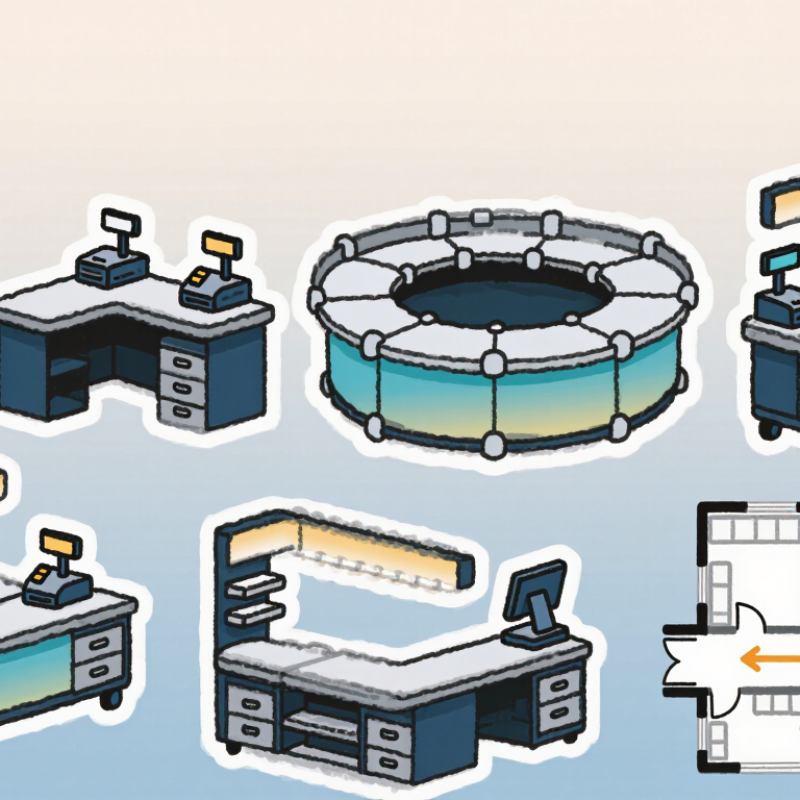
What Are the Top Types of Billing Cash Counters?

## Defining Billing Cash Counters and Their Main Functions

What Are the Top Types of Billing Cash Counters?

Defining Billing Cash Counters and Their Main Functions

A billing cash counter is the controlled station where a customer’s purchase becomes a recorded sale. It normally combines a countertop, payment terminal, receipt printer, barcode scanner, cash drawer, and display screen. The counter also supports product checking, price confirmation, tax calculation, refunds, and shift reporting. It is measurable.

The 2024 Global Payments Report found that digital wallets represented about 30% of global point-of-sale transaction value in 2023. Cash counters must therefore support cash, cards, contactless payments, and mobile wallets without slowing the queue. A well-designed station keeps frequently used tools within reach. The scanner should face the basket naturally, while the receipt printer should remain accessible for quick corrections.

Retail research also shows that point-of-sale technology is expanding as businesses seek faster transactions and better inventory visibility. This makes the counter more than a payment desk. It connects sales records with stock updates, staff permissions, customer receipts, and daily reconciliation. Physical space still matters. A narrow counter can create awkward hand movements, hidden cables, and misplaced change. That issue is easy to underestimate.

From practical retail observation, the strongest designs balance security, speed, accessibility, and service visibility. Some counters prioritize cash handling with reinforced drawers and separated storage. Others emphasize compact digital checkout equipment for smaller stores.

Neither format is perfect. A sophisticated system can still fail when staff training is weak or the interface feels confusing. Human workflow deserves equal attention.

## Traditional Checkout Counters for Everyday Retail Transactions

Traditional checkout counters remain a dependable choice for everyday retail transactions. They provide a clear, familiar station for scanning products, accepting payments, and packing purchases. In my experience, customers move more confidently when the counter layout feels predictable.

A practical counter usually includes a durable worktop, receipt printer space, payment terminal area, and storage beneath. A small raised section can separate customer items from staff equipment. This detail reduces confusion during busy periods. Rounded edges also help protect clothing and lower the risk of minor workplace injuries.

Material selection deserves careful attention. Laminated surfaces are easy to wipe, while solid wood can create a warmer appearance. However, attractive finishes may show scratches quickly. That trade-off is easy to overlook. Staff should have enough legroom, clear sightlines, and reachable storage for bags, rolls, and cleaning supplies.

Counter height matters too. A surface that feels comfortable for one employee may strain another. Adjustable equipment placement can improve daily use. Cable management should stay hidden but accessible for maintenance. Poorly routed cables often become an avoidable problem.

Traditional counters are not perfect. They may occupy more floor space than compact service points. Still, their stable structure supports consistent routines, especially in grocery stores, pharmacies, clothing shops, and neighborhood markets. Careful measurements and staff feedback usually produce better results than choosing a counter based only on appearance.

Top Types of Traditional Checkout Counters

Traditional retail checkout counters are commonly configured around transaction speed, available floor space, and the amount of packing space required. The chart compares typical planning dimensions for everyday retail operations.

## Modular Cash Counters for Flexible Store Layouts

What Are the Top Types of Billing Cash Counters?

Modular Cash Counters for Flexible Store Layouts

Modular cash counters suit stores that need practical changes over time. A two-metre counter can serve one cashier today, then support two workstations later. Separate modules also make delivery easier through narrow entrances. This matters in older shops with tight doors and uneven floors. Store planners usually measure aisle width, queue space, and customer movement before selecting each unit. A useful layout should prevent baskets from blocking nearby displays.

A modular counter can accommodate a Cash Counter Billing Machine , receipt printer, scanner, and cash drawer. Built-in cable channels reduce loose wires around the operator’s feet. Adjustable shelves keep paper rolls and packaging supplies within reach. The working height should support comfortable posture during long shifts. Keep it practical. Excessive storage can reduce legroom and slow service.

Not every modular design performs well in daily use. Lightweight panels may shift when customers lean against them. A trial setup with empty cartons can reveal weak points before installation. Staff should test drawer clearance, screen visibility, and queue direction. Surfaces also need to resist frequent wiping without becoming dull or rough. Rounded edges help reduce sharp contact near busy corners. Some layouts still need adjustment after opening week. That feedback is valuable, not a failure. As product ranges change, extra modules can extend the counter without rebuilding the entire checkout area.

## L-Shaped and U-Shaped Counters for Efficient Customer Flow

L-shaped and U-shaped billing counters can improve customer flow when their layout matches the store’s daily movement. An L-shaped counter works well near a corner or along two connected walls. It gives staff a clear service point while leaving more open floor space for waiting customers. The shorter side can hold receipt printers, bags, or payment equipment. This reduces unnecessary reaching during busy periods.

A U-shaped counter creates a more enclosed service zone. Staff can process payments, prepare orders, and store supplies within a short walking distance. This arrangement suits stores with several checkout positions or frequent customer questions. However, the inner space must remain wide enough for safe movement. A narrow work area may slow employees instead of helping them. Practical testing with carts and real staff is essential.

Customer entry and exit should remain obvious. Place the queue outside the main turning points, and keep payment equipment visible from standing height. Clear sightlines also help supervisors notice delays or confused customers. Shorter queues feel better.

From retail planning experience, counter height, lighting, cable placement, and storage depth affect service speed more than appearance alone. A beautiful counter can still create awkward bottlenecks. Measuring peak traffic is useful, but it is not perfect. Seasonal crowds may expose weaknesses that normal observations miss. Reviewing the layout after opening can reveal whether the L-shaped or U-shaped design truly supports efficient, comfortable service.

## Mobile and Compact Counters for Small or Temporary Spaces

Mobile and compact billing cash counters suit pop-up shops, kiosks, exhibitions, and temporary checkout areas. Their smaller footprint protects valuable floor space. A well-planned Counter Billing station can still hold a cash drawer, receipt printer, scanner, and payment terminal.

Folding counters are useful when staff must pack equipment each evening. They usually include lightweight panels, lockable storage, and adjustable shelves. Wheeled counters work better for changing layouts. Their casters should lock firmly, especially on polished floors. Modular counters offer another practical option. Sections can connect around a corner or expand during busy periods.

Measure the site before choosing any model. Leave enough room for staff movement and customer queues. A counter that looks compact may feel cramped after adding cables, bags, and stock.

In one temporary setup, I underestimated printer access. The unit looked tidy, but replacing paper became awkward. That mistake changed my checklist.

Durability also matters. Choose moisture-resistant surfaces, reinforced joints, and rounded edges. Ask how easily the counter can be cleaned after long shifts. Good lighting near the till reduces errors, while hidden cable channels improve safety and appearance. Some mobile units sacrifice storage for portability. That trade-off can be acceptable, but only when daily stock remains limited. Test the counter with real equipment before purchase. Photos rarely show the full working experience.

## Specialized Counters for Supermarkets, Pharmacies, and Service Stores

What Are the Top Types of Billing Cash Counters?

Supermarkets need wide, durable counters that manage heavy daily traffic. A Counter Billing Machine should support barcode scanning, weighing, receipt printing, and quick payment processing. The 2024 Global Payments Report estimates that digital wallets represented 50% of global e-commerce payment value in 2023. Yet cash remains important in many local stores. A practical counter should therefore handle both digital and cash transactions without slowing the queue.

Pharmacies require a more controlled layout. Their counters often include lockable drawers, privacy screens, and space for prescription checks. The World Health Organization reports that medication errors create a significant global safety burden, so clear separation between scanning, verification, and payment matters. The machine should display readable item details and support accurate invoice records. Small mistakes can become expensive.

Service stores need flexible counters. Repair shops, salons, and collection points may process deposits, appointments, returns, or service fees. A compact counter with cable management and adjustable shelving can reduce clutter. According to Grand View Research, the global point-of-sale terminal market is projected to grow at a double-digit annual rate through 2030. Technology is advancing quickly, but the largest screen is not always the best choice. Staff still need clear sightlines, reachable drawers, and comfortable standing space. A perfect layout is a myth. Testing the counter during a busy hour may reveal problems that a showroom cannot.

What Are the Top Types of Billing Cash Counters? – Specialized Counters for Supermarkets, Pharmacies, and Service Stores
Counter Type Best-Fit Store Environment Typical Customer Need Core Equipment and Features Recommended Queue Model Key Operational Benefit Important Design Considerations
Standard Supermarket Checkout Counter Supermarkets, grocery stores, and large-format food retailers Mixed baskets containing packaged goods, fresh produce, beverages, and household items Barcode scanner Conveyor belt Bagging area Receipt printer Card terminal Single queue per staffed lane or a shared queue feeding several lanes Supports high item counts and efficient product scanning during busy periods Allow adequate space for carts, bagging, mobility access, and clear separation between customers
Express Checkout Counter Supermarkets and convenience-oriented grocery sections Small baskets and quick purchases with a limited number of items Compact scanner Small packing zone Payment terminal Receipt printer Clearly marked dedicated queue with an item-limit policy Shortens service time for customers buying only a few products Use prominent signage and position the counter away from high-volume trolley traffic
Self-Checkout Counter Supermarkets and high-footfall retail stores Customers who prefer to scan and pay for their own purchases Scanner Touchscreen Payment terminal Security scale Staff assistance point One monitored waiting area serving multiple self-service stations Handles suitable transactions with limited cashier involvement and flexible staffing Provide clear instructions, accessible station heights, sufficient lighting, and visible employee support
Pharmacy Prescription Counter Community pharmacies, hospital pharmacies, and health-care retail settings Prescription collection, medication payment, health-product purchases, and private consultations Point-of-sale terminal Prescription workstation Secure storage access Receipt printer Separate queues for prescription pickup, new prescriptions, and consultation requests where volume requires it Combines payment handling with controlled prescription handover and customer communication Protect personal information, restrict access to medicines, and include a discreet consultation area
Pharmacy Consultation and Service Counter Pharmacies offering medication advice, vaccinations, or clinical services Private questions, medication guidance, service booking, and post-consultation payment Payment terminal Privacy screen Document workspace Appointment system Appointment-based service flow or a separate waiting line from routine purchases Improves privacy and prevents complex consultations from slowing routine checkout Use acoustic control, privacy barriers, accessible seating, and a layout compliant with local health regulations
Service Desk and Returns Counter Department stores, supermarkets, electronics retailers, and general service stores Returns, exchanges, refunds, order collection, complaints, and customer account support POS terminal Receipt scanner Document printer Storage compartments Dedicated service queue, often with ticketing or appointment support during peak periods Centralizes non-routine transactions and reduces interruptions at standard cash registers Include secure document handling, counter space for returned goods, and clear policy signage
Click-and-Collect Pickup Counter Supermarkets, retail stores, and stores offering online order collection Fast order verification and collection of pre-paid or pay-on-collection purchases Order lookup system Barcode scanner Payment terminal Holding shelves Separate pickup queue with an optional collection locker or appointment time slot Separates collection traffic from customers shopping and paying at regular tills Provide secure order storage, clear customer identification procedures, and sufficient staging space
Mobile POS Counter Service stores, pop-up retail areas, appointment businesses, and queue-busting zones Payment at the point of service, during events, or away from a fixed checkout Tablet or handheld POS Mobile card reader Digital receipt option Wireless connectivity Roving staff, temporary queue stations, or appointment-based service flow Reduces fixed-counter dependence and allows payment closer to the customer Protect devices and customer data, maintain reliable connectivity, and provide a backup payment method
Appointment and Billing Counter Repair shops, salons, clinics, fitness facilities, and other service businesses Booking confirmation, service completion, deposits, final payment, and receipt issuance Scheduling system POS terminal Customer display Receipt printer Appointment queue, digital check-in, or staff-managed customer flow Links billing with service records and helps staff manage scheduled visits Provide seating, privacy for personal details, accessible counter space, and clear cancellation or deposit policies

## Key Factors for Comparing Billing Cash Counter Types

What Are the Top Types of Billing Cash Counters?

Key Factors for Comparing Billing Cash Counter Types

Billing cash counters usually fall into three groups: basic bill counters, mixed-denomination counters, and cash recyclers. A Bill Counter Cash Counting Machine can process notes quickly, while a mixed-denomination model also identifies value and total amount. Cash recyclers add storage and dispensing functions. The right choice depends on transaction volume, staffing, and security needs. Speed matters, but speed alone can mislead.

Accuracy should be tested with real conditions. Ask whether the machine detects worn notes, folded edges, and suspected counterfeits. The European Central Bank’s 2024 SPACE study reported that cash represented 52% of point-of-sale payments across the euro area. That figure supports continued investment in reliable cash-handling equipment. Still, regional payment habits differ. A store serving older customers may need stronger cash capacity than a mostly digital checkout.

Compare counting speed, hopper size, noise, display clarity, and service access. A small counter may fit beside a drawer, but frequent refilling can slow staff. A larger model may reduce interruptions, yet consume valuable counter space. Look for audit records, operator controls, and compatibility with existing cash procedures. The Federal Reserve’s Diary of Consumer Payment Choice has repeatedly shown that cash remains important for low-value purchases and budgeting. However, published surveys have limits. They describe broad behavior, not every store’s reality. Test machines using a full shift’s mixed notes before purchasing. That practical trial may reveal more than a specification sheet.

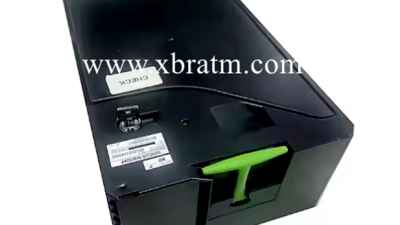
ATM Market Outlook: Wincor Nixdorf CCDM VM3 Cash Dispenser Cassette | MarketsandMarkets Report

The global ATM market is evolving as financial institutions seek more efficient, secure, and flexible cash-management solutions. Cash dispenser cassettes designed for advanced cash recycling and dispensing machines are gaining attention because they support higher transaction volumes, improve note-handling accuracy, and help reduce the frequency of manual replenishment. A modern cassette system can accommodate different denominations, streamline cash loading and removal, and contribute to more reliable ATM availability in banks, retail locations, transportation hubs, and other high-traffic environments.

Market demand is also being shaped by the need for modular equipment that can integrate with existing ATM infrastructures. Durable construction, precise banknote detection, straightforward maintenance, and compatibility with automated cash-management processes are important purchasing considerations. Financial operators increasingly evaluate cassette solutions based on lifecycle cost, operational uptime, security features, and their ability to adapt to changing cash-use patterns. As hybrid banking models expand, dependable cash dispensers and replacement components will remain relevant, particularly in regions where cash continues to play an important role in everyday transactions. Future development is likely to emphasize smarter monitoring, improved capacity utilization, and service-friendly designs that support efficient ATM network management.

FAQS

What is a traditional checkout counter used for?

It provides a familiar station for scanning products, taking payments, printing receipts, and packing purchases. Predictable layouts can help customers move with confidence.

Which features should a practical checkout counter include?

Look for a durable worktop, payment terminal area, receipt printer space, and storage below. A raised section can separate customer items from staff equipment.

How does counter design affect employee comfort?

Staff need enough legroom, clear sightlines, and reachable storage for bags and cleaning supplies. Poor height or deep storage may cause strain during long shifts.

Which materials work well for checkout counters?

Laminated surfaces are easy to wipe after spills and frequent use. Solid wood feels warmer, but attractive finishes may show scratches quickly.

Why is cable management important?

Hidden but accessible cable channels reduce loose wires near employees’ feet. Maintenance becomes easier when cables are not sealed inside unreachable spaces.

When is a modular checkout counter useful?

Modular counters suit stores expecting layout changes or business growth. Extra sections can support another workstation without rebuilding the entire checkout area.

How can retailers test a modular counter before installation?

Use empty cartons to simulate equipment and storage. Staff should check drawer clearance, screen visibility, cable paths, and queue direction.

When should a store consider an L-shaped or U-shaped counter?

An L-shaped counter suits corners and connected walls, while a U-shaped design creates a compact service zone. The inner space must remain wide enough for safe movement.

What common layout problems should retailers watch for?

Baskets may block displays, queues may cross turning points, and narrow work areas may slow staff. Real testing helps, but seasonal crowds can reveal missed weaknesses.

Conclusion

A Billing Cash Counter is a central part of any retail or service environment, combining payment processing, product organization, and customer assistance in one practical workstation. Traditional checkout counters support everyday transactions, while modular designs allow businesses to adjust layouts as their needs change. L-shaped and U-shaped counters can improve customer flow by creating clear working zones for staff, payment, packing, and queue management.

For smaller shops, temporary locations, or limited floor areas, mobile and compact counters provide flexibility without sacrificing essential functions. Specialized counters can also be adapted for supermarkets, pharmacies, and service stores, with features suited to different product sizes, transaction speeds, and customer requirements. When comparing counter types, businesses should consider available space, durability, storage capacity, ergonomics, accessibility, workflow efficiency, security, and ease of maintenance. Selecting the right counter helps create a smoother checkout experience while supporting staff productivity and a well-organized store layout.
Emma

Emma

Emma is a seasoned marketing professional at Shenzhen Xinbangrong Technology Co., Ltd. (XBR), a leading supplier of ATM products since 2014. With a profound understanding of the industry, she plays a pivotal role in driving the company's marketing strategies and elevating its brand presence. Emma......
Previous China Top 10 ATM Machine Components Manufacturers?