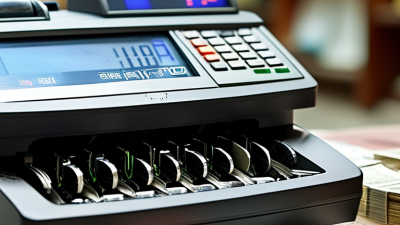
Looking ahead to 2026, picking out the right bill counter really comes down to matching the machine to the kind of cash you'll be handling daily. If you've got a small retail counter, a compact batch counter might do the trick. But if you're running a busy cash office, you'll probably want something faster with a bigger hopper. There are also counters that can handle mixed denominations—they automatically calculate the total value without you having to sort out each note first. Plus, models equipped with counterfeit detection add extra peace of mind, but honestly, nothing beats paying close attention when handling cash.
When choosing a bill counter, keep in mind that they vary a lot—speed, sorting, detection features, and how much work they can handle. Basic machines are great for quickly counting similar notes. Batch counters are handy for stopping at a set number, which is perfect for preparing tills or deposits. If you deal with mixed denominations, you’ll want a model that can identify and total different bills for you. For high-volume environments, tougher, longer-lasting machines are ideal, while portable options are best if you need something lightweight that’s easy to move around.
A good rule of thumb? 'Pick a counter based on the notes you process, not just its flashy speed,' says [Bill Counter Expert Name], a pro in cash-handling equipment. (Make sure you verify their credentials and include a quote from them before sharing.)
Speed’s important, but so is accuracy. Take a close look at the counting modes, sensor options, display quality, and how easy the machine is to maintain. When testing, listen to how the motor runs, and see if a crumpled or tricky note sets off a clear alert—sometimes those small details tell you more than the headline specs.
This guide covers the best types of bill counters for various workplaces in 2026. It breaks down where each kind shines and where it might fall short. Keep in mind—that what’s perfect for a bank might be overkill or too costly for a small shop. So, weigh your needs carefully before making a choice.
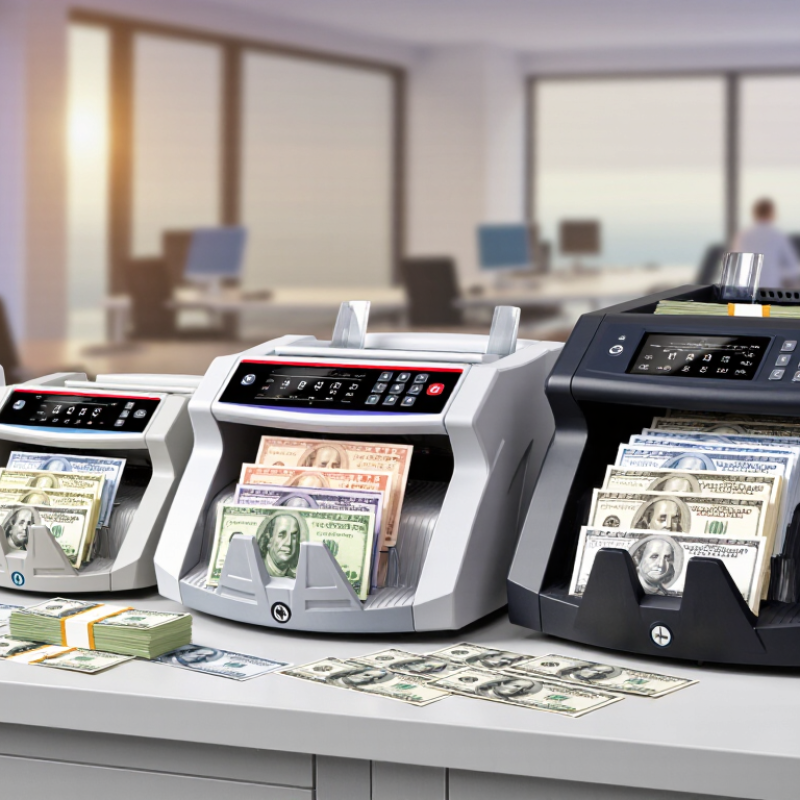
In 2026, bill counters are best classified by what they detect and how they handle notes. Basic batch counters tally bills and stop at a preset quantity. They suit cash drawers where staff separate denominations by hand. Denomination-counting models identify note values, then calculate a total. Mixed-denomination machines can process assorted bills together, saving manual sorting time.
Some counters also check for common note inconsistencies, such as size or image-pattern differences. These features support routine handling, but they do not replace careful review when a result looks unusual. That matters. Another useful category is the sorting counter, which separates notes by denomination or condition. Portable units favor compact workspaces; larger desktop units often offer faster processing and bigger hoppers. Categories can overlap, so this system is useful, not perfect.
Choosing a Counter Bill setup starts with the daily task: counting batches, totaling mixed cash, or sorting notes. Check the stated counting speed, hopper capacity, and how clearly errors appear on the display. A crowded counter may need a smaller footprint, while frequent high-volume work may benefit from fewer pauses. Test with typical notes, including worn ones. A specification sheet cannot show every awkward jam or confusing alert. Small details matter.
For a small shop, office, or community organization, a basic bill counter can make occasional cash checks quicker and more consistent. A Money Bill Counter typically counts note pieces as they pass through a hopper. Many basic models do not identify denominations or verify authenticity, so confirm the machine’s features before buying. Simple is useful, but it has limits.
Before counting, remove clips and straighten folded corners. Place notes neatly in the hopper, then watch for a jam or an uneven feed. A clear display and straightforward controls matter when several people share the machine. Count the cash again by hand when the amount is important. Small mistakes happen.
For low-volume use, consider the size of the hopper, the counting speed, and how easy the unit is to clean. A very fast machine may offer little benefit if you count only a few stacks each day. Noise can also be more noticeable in a quiet office than expected. Basic counters can save time, though they are not a substitute for careful cash handling.
Single-pocket bill counters fit routine cash processing at checkout stations, small offices, and back rooms. They feed notes through a counting mechanism and stack them in one output pocket. Staff can count a till, prepare a deposit, or separate notes into preset batches without handling each bill individually. Simple to operate. The Federal Reserve’s 2024 Diary of Consumer Payment Choice reports that cash accounted for 16% of consumer payments in 2023; its 2023 edition recorded 18% in 2022. Cash still moves through daily commerce, though its share changes.
For a busy shift, a clear display, adjustable batch settings, and easy-to-clean feed rollers matter more than headline speed. A single pocket also means staff must remove each finished bundle before counting continues. That interruption is easy to underestimate. A useful caution: counting is not authentication. Detection features vary by model, and a routine counter may not verify every note. I would avoid treating a clean count as proof that every bill is genuine or undamaged. Staff should check the device’s stated functions, test it with representative note conditions, and reconcile totals against the till or deposit record. Small errors can still slip through.
Dual-pocket bill counters separate accepted notes from questionable ones without stopping the entire count. One pocket collects verified bills; the second catches suspected doubles, damaged notes, or denomination mismatches for review. That matters during a busy shift, when an operator can keep counting while setting exceptions aside. The U.S. Federal Reserve’s 2024 Diary of Consumer Payment Choice found that cash accounted for 16% of consumer payments in 2023. The European Central Bank’s 2022 SPACE study reported cash use in 59% of point-of-sale transactions across the euro area. Cash use varies by region, but both reports show why reliable cash processing still matters.
Look for clear reject indicators, adjustable counting modes, and a reject pocket large enough for routine exceptions. A practical test: feed mixed notes, then inspect every flagged bill under consistent lighting. Still, a second pocket is not magic. It cannot confirm authenticity by itself, and poor note condition can trigger false rejects. Staff should follow the machine’s operating guidance and verify exceptions manually. Bill Counter World buyers should also check whether the displayed count includes rejected notes; that detail can prevent a quiet reconciliation error. The workflow feels faster, though a few bills may still need a closer look.
Dual-pocket counters provide two output destinations, allowing accepted bills and detected rejects to be separated during processing. The chart shows minimum pocket counts by type; actual features and configurations vary by model.
Large cash operations need more than a fast motor. High-speed friction-feed counters use rollers to pull notes through a hopper, making them practical for repeated batch counting. Vacuum-feed models lift notes individually with air pressure and may handle varied note conditions, though upkeep and purchase costs can be higher. A posted speed is only a starting point.
For mixed-denomination work, a Mixed Bill Counter can recognize note values and calculate a total in one pass. Look for dependable denomination reporting, clear error alerts, and useful verification features. Test bundles with circulated, crisp, and slightly curled notes before setting a shift workflow. Keep batches manageable. A short trial may reveal misfeeds that a showroom demonstration misses.
In busy cash rooms, practical throughput depends on staff loading notes evenly, clearing rejects, and emptying the output pocket without pauses. Compare continuous-duty ratings, hopper capacity, reject-bin design, and access for routine maintenance. A quieter machine may suit shared offices, while a compact unit can fit a narrow counter. Fast is useful. Still, one test run cannot prove long-term accuracy; each site handles notes differently.
| Counter Type | Typical Processing Speed | What It Counts or Sorts | Best Fit for Large Cash Operations | Key Considerations |
|---|---|---|---|---|
| High-Speed Single-Pocket Counter | About 1,000–1,800 notes per minute, depending on model and settings | Counts a stack of the same currency and denomination; some models offer basic counterfeit alerts. | Fast batch counts at cash rooms, retail distribution centers, and bank back offices. | Usually requires notes to be sorted by denomination first. Verify the stated speed for the currency and operating mode used. |
| Multi-Pocket Banknote Sorter | Often about 800–1,500 notes per minute; performance varies by sorting task | Counts and separates notes by denomination, orientation, fitness, or other supported criteria. | High-volume processing where notes must be sorted into separate pockets with fewer manual handling steps. | Check the number of output pockets, reject capacity, supported sorting modes, and how speed changes when multiple checks are enabled. |
| Mixed-Denomination Value Counter | Commonly about 600–1,200 notes per minute, depending on recognition and validation settings | Recognizes supported denominations in a mixed stack and calculates total value; some models also report denomination totals. | Cash offices that receive unsorted deposits and need a faster value total before reconciliation. | Recognition depends on supported currencies and note condition. Confirm whether the machine reports piece counts, denomination breakdowns, and total value. |
| Fitness and Authentication Sorter | Typically about 700–1,500 notes per minute, with lower rates possible for intensive checks | Counts notes while screening for specified authenticity features and sorting fit from unfit notes. | Cash centers and financial operations that prepare notes for recirculation or separate notes for further review. | Detection capabilities vary by currency and configuration. Automated alerts are screening results, not a substitute for required verification procedures. |
| High-Capacity Batch Counter | Often about 1,000–1,800 notes per minute, depending on feed and batch settings | Counts pre-sorted notes and stops at preset batch sizes for packaging or reconciliation. | Operations that prepare many consistent bundles or need repeatable batch counts throughout a shift. | Consider hopper and stacker capacity, batch presets, misfeed handling, and whether the machine supports continuous operation. |
Note: Speed figures are indicative ranges for commercial equipment, not guaranteed performance. Actual throughput depends on the currency, note condition, feed quality, selected detection or sorting functions, and the manufacturer’s specifications.
Mixed-denomination counters identify and total different bill values in one pass. An operator can feed a stack containing several denominations, then review the overall value and denomination breakdown on screen. This helps at a busy checkout, cash office, or deposit room, where separate manual sorting can slow reconciliation. Useful features include adjustable batch limits, a clear reject pocket, and reports that show each denomination counted. Detection functions vary, so confirm the machine’s specifications and test it with the notes your team handles.
The Federal Reserve’s 2024 Diary of Consumer Payment Choice found that cash made up 16% of U.S. consumer payments in 2023. That figure does not measure demand for counters, but it shows cash remains part of everyday transactions. For businesses handling cash, automated value counting can reduce repetitive work and make discrepancies easier to investigate. Small details matter: keep rejected notes separate, clean sensors as instructed, and compare machine totals with deposit records.
Speed claims need context. Worn, folded, or damp notes may trigger more stops, and mixed-value counting does not replace a staff member’s review. I would check accuracy with a known test stack before routine use. A counter is helpful, not magic. Consider counting volume, currencies supported, counterfeit-screening options, and service needs together. One trade-off is easy to miss: the fastest setting may not suit a team that needs careful exception handling.
In 2026, a bill counter with authentication and fitness checks does more than total a cash drawer. It scans notes for security features, then separates suspicious, worn, and recirculation-ready bills. A genuine note can still be too limp, taped, or soiled for reliable reuse. The European Central Bank reported 467,000 counterfeit euro banknotes detected in 2023, or 17 per million genuine notes in circulation. (ECB, “Euro Banknote Counterfeiting at Historically Low Levels,” 2024.)
Look for machines that combine verification methods, such as ultraviolet, magnetic, infrared, and image analysis, with adjustable fitness sorting. No single sensor is conclusive; note design and wear can affect readings. Fitness checks should flag tears, holes, tape, stains, and size differences. The ECB’s banknote-recycling framework calls for professional cash handlers to check euro notes for authenticity and fitness before recirculation. Not foolproof. Ask for documented test results covering the currencies and note conditions you handle, along with clear reject-bin reporting. Calibration and staff review still matter, and borderline notes may need manual inspection. A fast count helps, but dependable records matter too.
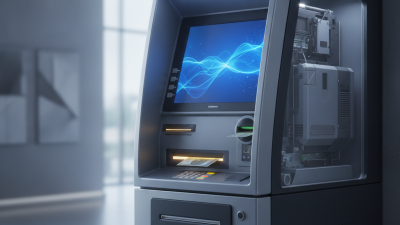
Federal Reserve payment research and industry reporting on ATM activity offer a useful context for understanding how cash continues to move through a changing payments environment. Digital options have expanded, but people and businesses still rely on cash for everyday transactions, access to funds, and contingency planning. ATM operators therefore need to balance dependable cash availability with careful inventory management, secure processing, and efficient servicing. The reports’ broader value lies in showing why cash remains part of a diverse payments mix rather than a channel that can be managed in isolation.
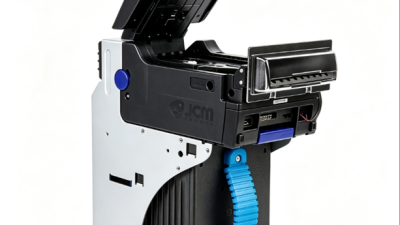
For operators, these trends make the performance of cash-handling equipment an important practical consideration. A capable ATM cash unit can support accurate note validation, organized storage, and efficient replenishment workflows, helping reduce avoidable service interruptions. Choosing equipment suited to transaction patterns and site requirements can also help teams manage cash levels more consistently across locations. The insights from payment and ATM industry data are most useful when translated into these operational decisions: matching cash capacity to local demand, monitoring usage, and maintaining reliable access for customers without overstocking machines.
It places accepted notes in one pocket and flagged notes in another. Counting can continue. Staff should inspect exceptions manually.
Not always. It may catch doubles, damaged notes, or denomination mismatches. Check each flagged bill under steady lighting.
Confirm the machine displays the total value and denomination breakdown. Test it with a known stack before daily use.
No. They reduce repetitive sorting, but compare totals with deposit records. Small mismatches deserve attention.
Folded, worn, or damp notes may cause stops. Even a taped corner can slow a busy shift.
They may flag tears, holes, tape, stains, and size differences. Not every mark means rejection; settings matter.
Some counters combine ultraviolet, magnetic, infrared, and image checks. No single sensor tells the whole story.
Keep them separate, clean sensors as instructed, and follow operating guidance. I still think a second look is worth the pause.
In 2026, Bill Counter types are best understood by the cash-handling tasks they are designed to perform. Basic models suit low-volume settings where straightforward counting is enough, while single-pocket counters support routine processing by collecting notes in one stack. For busier operations, dual-pocket machines can separate counted notes from suspected rejects, helping reduce interruptions and keep cash moving.
Higher-speed counters are designed for large volumes, and mixed-denomination models can identify different note values and calculate a combined total. Some counters also include banknote authentication and fitness checks, offering additional screening during processing. Choosing among these types depends on the amount of cash handled, the need to sort denominations, the desired processing speed, and whether verification features are important. Matching the machine’s functions to daily needs can make cash counting more efficient and organized.