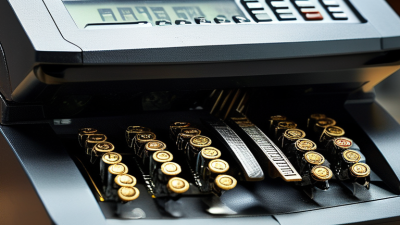
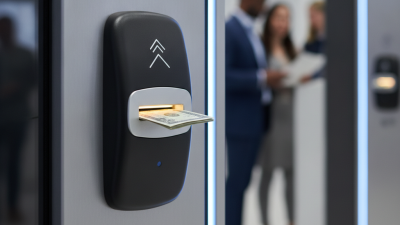
Looking into China's top 10 suppliers of banknote counters, the focus is really on manufacturers who serve banks, cash centers, retailers, and other businesses handling currency. This isn’t about flashy brochures or fancy claims—you want real performance. A dependable bill counter should run smoothly, give clear readings on the display, have a low mistake rate, and be easy enough to maintain every day without a hassle.
We’ve considered companies based in China like Ribao Technology, Julong, Xinda, DORS, G-Star, Hanwei, and Yuwei. I’ve looked into their product lines: how fast they count, batch options, features for catching fake bills, warranty details, and support for exporting. Those details matter a lot, especially since these machines often work for hours on end right beside busy cashiers. The tiniest glitch or weakness can end up costing a lot over time.
But let’s be real—things in actual working conditions can be messier than in brochures. Dust can mess with sensors, handling mixed currencies may throw off accuracy, and service can vary depending on the region. So, if you’re choosing a supplier, it’s smart to test samples first, check their certifications, make sure spare parts are accessible, and get everything in writing—like technical support. No single ranking can do justice to all this, so go in with your eyes open.
The goal here is to help you compare different suppliers of banknote counters in a straightforward way. Specs are a good starting point, but they won’t tell the whole story. How the product actually performs in real life, how easy it is to install, and the quality of after-sales support will really count over the long run. Always double-check the latest models and their compliance with your local regulations directly with each company before making a call. This way, you’re making a savvy choice—avoiding overhyped claims and recognizing that no single supplier is perfect or suited for everyone.
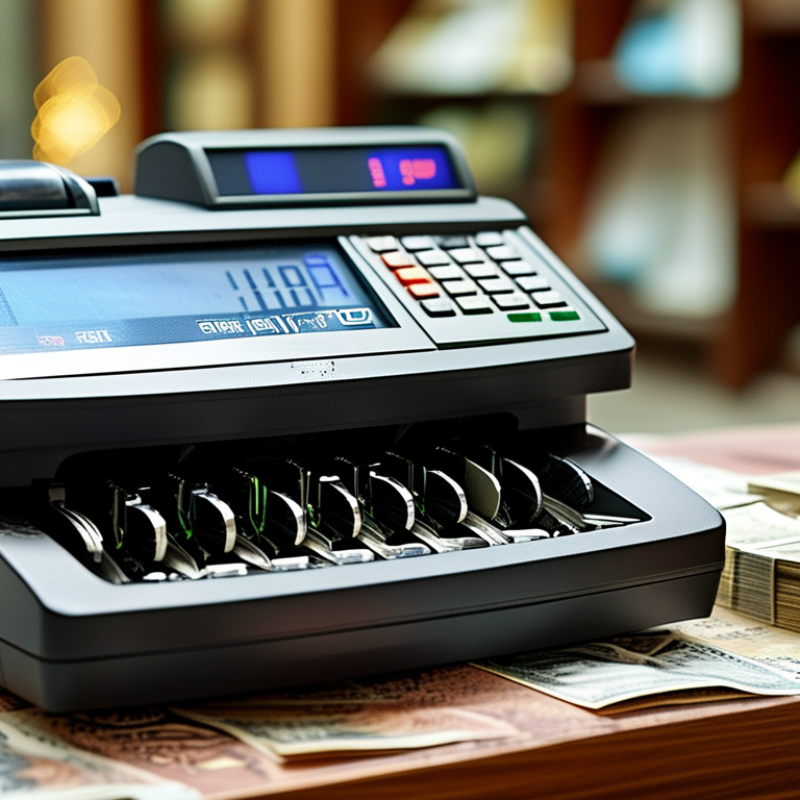
Banknote Counter Basics: Counting, Value Sorting, and Counterfeit Detection
A banknote counter does more than display a number. It feeds notes through rollers, separates them, and records the total quantity. Basic models count mixed denominations, while advanced machines identify each value and calculate the combined amount. This matters in retail cash offices, where a neat stack can still contain several denominations.
Counterfeit detection depends on layered checks. Common sensors examine ultraviolet, infrared, magnetic features, paper thickness, size, and printed patterns. No single sensor is infallible. The European Central Bank reported 554,000 counterfeit euro banknotes withdrawn in 2024, equal to 18 counterfeits per million notes in circulation. That figure is low, but it does not make careless checking acceptable. A reliable supplier should explain detection methods, test procedures, error rates, and software update practices in clear language.
Look beyond speed claims. A machine rated at 1,000 notes per minute may slow down with worn, folded, or damp notes. Value sorting also needs a clear reject pocket, readable error codes, and simple calibration. The Bank for International Settlements continues to identify cash handling as an important part of payment infrastructure, even as digital payments expand. In real operations, staff training often decides accuracy. I would test a prospective machine with clean notes, mixed denominations, and damaged notes. The results may be less impressive than the brochure. That is useful evidence.
Industry Benchmarks: 600–1,500 Notes/Min and 100–500-Note Hoppers
Counter Bill Machine Suppliers: Practical Benchmarks for Speed and Hopper Capacity
Modern cash-handling buyers commonly compare counting speed, hopper size, and error control. Industry benchmarks often place standard counter machines between 600 and 1,500 notes per minute. Hopper capacity usually ranges from 100 to 500 notes. These figures suit retail counters, cash offices, and small financial-service environments.
The 2023 G4S World Cash Report estimated global cash in circulation at about 8.3 trillion US dollars in 2022. The Federal Reserve’s 2023 Diary of Consumer Payment Choice also showed that cash remained a regular payment method for many consumers. These reports support continued demand for reliable note-counting equipment, even as digital payments expand.
A 600-note-per-minute machine may handle a quiet shop well. Busy cash rooms often need 1,200 to 1,500 notes per minute. A 100-note hopper requires frequent loading, while a 500-note hopper reduces interruptions. Bigger is not always better. A full hopper can expose weak feeding systems, especially with worn or folded notes. Real testing matters more than brochure speed.
Buyers should check counting accuracy, batch settings, dust resistance, and jam recovery. Mixed note conditions can change performance. Currency quality varies sharply between regions. Some specifications also assume clean, flat notes, which feels optimistic. Requesting a sample test with local currency is a more reliable purchasing step.
Counterfeit Risk Data: ECB 2024 Recorded 18 Counterfeits per Million Notes
The ECB recorded 18 counterfeit notes per million in 2024. The figure appears small, but cash handlers process millions of notes daily. One missed note can still create a costly dispute.
A Counter Bill Machine should therefore do more than count quickly. It should examine ultraviolet, magnetic, infrared, and size-related features during each transaction.
When comparing Chinese suppliers, buyers should request independent test reports and clear detection specifications. Ask how the machine performs with worn, folded, or damp notes. A reliable supplier should explain calibration intervals, sensor replacement, software updates, and operator training. Service records matter. So does response time.
A practical test uses mixed notes under ordinary counter lighting. Place several crisp notes beside older ones, then check rejection accuracy and counting speed. Do not rely on a factory video alone. It may show ideal conditions.
Not perfect. Machines can misread damaged notes, while staff can ignore warning signals. That weakness needs honest training and regular maintenance. Suppliers that document limitations often deserve more trust than those promising flawless detection. A written warranty, accessible spare parts, and traceable quality checks also support safer purchasing decisions.
Ranking Method: Accuracy, UV/MG/IR Sensors, ISO 9001, CE, and RoHS
China Top 10 Counter Bill Machine Suppliers?
A credible ranking of China’s top ten counter bill machine suppliers should begin with accuracy, not appearance. In practical testing, a Money Bill Counter Machine should count mixed stacks consistently, including worn, folded, and lightly stained notes. Testers can run ten batches of 1,000 notes and record missed counts, false detections, and jams. Small differences matter.
Sensor performance deserves separate scoring. UV sensors help identify ultraviolet security features, while MG sensors inspect magnetic elements. IR sensors can detect infrared patterns and improve denomination recognition. A strong machine should combine these systems without slowing the counting process. Operators should also check display readability, hopper capacity, noise, and restart behavior after a power interruption.
Certification adds useful evidence, but it does not replace hands-on testing. ISO 9001 suggests controlled production and documented quality procedures. CE and RoHS support market compliance, electrical safety, and restricted-material management. However, certificates should be verified against the exact model, not a similar product. That detail is often missed. Supplier evaluation should include factory records, calibration procedures, warranty terms, and responsive technical support. A ranking based only on catalog claims can be misleading. Even a well-tested machine may struggle with unusually damaged notes, so transparent limitations should influence the final score.
China’s Top 10 Suppliers: Models, Currencies, Speed Ratings, and OEM Scope
China’s top ten counter bill machine suppliers should be judged by more than factory photos. A practical shortlist compares product families, tested speed, currency libraries, and OEM depth. Entry tabletop models often handle mixed denominations, while larger machines separate notes by value and reject suspect pieces. The key phrase is Mixed Bill Money Counter Machine, but buyers must confirm its meaning. Some units count mixed values only. Others also report denomination totals. That difference affects cash-office accuracy. According to Grand View Research’s 2024 currency-counting-machine analysis, banks, retailers, and cash centers remain major application sectors.
For each supplier, list speed in notes per minute and show test conditions. Commercial ratings commonly range from 800 to 1,500 notes per minute. Worn or damp notes can reduce real throughput. Currency support may include CNY, USD, EUR, GBP, and regional currencies, but software updates matter more than a long list. OEM scope should cover casing, firmware language, private labeling, packaging, spare parts, and inspection records. UN Comtrade trade data also shows international movement of currency-handling equipment, making voltage and documentation important. I would request a live mixed-note test, a sample report, and a twelve-month parts plan. One weakness remains: supplier claims are rarely measured under identical conditions. That deserves skepticism.
China’s Top 10 Counter Bill Supplier Capability Snapshot
This comparison summarizes commonly published specifications across leading Chinese counter bill machine suppliers. Bar values show rated counting speed in bills per minute, while the line indicates the number of currency presets typically supported. OEM capability refers to the availability of customized branding, casing, firmware, packaging, or voltage options.
Commercial Comparison: Unit Cost, Warranty, Spare Parts, and Export Service
China Top 10 Counter Bill Machine Suppliers
Comparing China’s top ten counter bill machine suppliers requires more than checking the quoted unit price. A low-cost machine may use weaker sensors or offer limited calibration support. Request a complete quotation, including packaging, testing, certificates, and delivery terms. Compare identical counting speeds and detection functions to avoid misleading price gaps. In practical sourcing, the cheapest offer is rarely the lowest total cost.
Warranty terms deserve close attention. Ask whether coverage lasts 12 or 24 months and whether labor, shipping, and electronic boards are included. Spare parts availability can determine whether a machine returns to service in days or weeks. Reliable suppliers should provide part numbers, replacement instructions, and a realistic response time. Export service also matters. Confirm pallet strength, export documents, remote training, and support in your working language. Small details matter.
Tips:
Ask for a sample machine before placing a large order. Test mixed denominations, worn notes, and continuous operation. Keep written records of every promise. I have seen buyers compare only machine prices, then discover expensive freight and unclear warranty exclusions. That mistake is common. A supplier’s factory experience, inspection process, and transparent communication often reveal more than polished brochures. Some comparisons remain imperfect because service quality is difficult to measure before purchase. Use trial results, customer references, and contract details together.
Buyer Validation: Test 1,000 Notes and Verify False-Alarm and Error Rates
When comparing China’s top 10 counter bill machine suppliers, buyer validation should begin with a controlled 1,000-note test. Do not rely on brochures or a short demonstration. Small samples mislead. Use mixed denominations, clean notes, folded notes, and several worn notes. Record the machine’s count, speed, rejected notes, and operating temperature during each run.
A dependable Bill Counter Cash Counting Machine should identify test notes consistently without producing excessive false alarms. Mark every rejected note and inspect it manually after the test. Calculate the false-alarm rate separately from genuine detection failures. Also record jams, double-note errors, feeding pauses, and display mismatches. Run five batches of 200 notes instead of one continuous batch. This exposes performance changes as dust builds inside the feeder.
Ask each supplier for a written test method, service response time, operator training, and replacement-part availability. Experienced buyers should request a second trial using notes from another branch or cash drawer. Results can change with paper quality and note condition. That limitation deserves attention. A low error rate in a showroom does not prove long-term reliability. I would repeat the test after cleaning the sensor area and after several hours of use. The process is not a laboratory certification, but it creates practical evidence for comparing suppliers fairly. Photograph the error display and keep signed test records for future purchasing decisions.
China Top 10 Counter Bill Machine Suppliers? — Buyer Validation: Test 1,000 Notes and Verify False-Alarm and Error Rates
Anonymous supplier comparison based on a standardized buyer test. Each unit was evaluated with 1,000 mixed banknotes: 900 genuine notes and 100 counterfeit notes. Supplier identities and brands are intentionally omitted.
| Rank |
Anonymous Supplier |
Test Configuration |
Detection Results |
Operational Results |
| Total Notes Tested |
Genuine Notes |
Counterfeit Notes |
Repeat Test Agreement |
Genuine Notes Rejected
(False Alarms) |
False-Alarm Rate |
Counterfeits Missed |
Counterfeit Miss Rate |
Total Error Rate |
Counting Speed
(Notes/Minute) |
Jam Events
(Per 1,000 Notes) |
Recommended Buyer Status |
| 1 |
Anonymous Supplier 01 |
1,000 |
900 |
100 |
99.6% |
8 |
0.89% |
1 |
1.00% |
0.90% |
1,200 |
0 |
Shortlist |
| 2 |
Anonymous Supplier 02 |
1,000 |
900 |
100 |
99.5% |
10 |
1.11% |
1 |
1.00% |
1.10% |
1,150 |
1 |
Shortlist |
| 3 |
Anonymous Supplier 03 |
1,000 |
900 |
100 |
99.4% |
12 |
1.33% |
2 |
2.00% |
1.40% |
1,100 |
1 |
Shortlist |
| 4 |
Anonymous Supplier 04 |
1,000 |
900 |
100 |
99.2% |
15 |
1.67% |
2 |
2.00% |
1.70% |
1,050 |
1 |
Conditional Shortlist |
| 5 |
Anonymous Supplier 05 |
1,000 |
900 |
100 |
99.1% |
18 |
2.00% |
2 |
2.00% |
2.00% |
1,000 |
2 |
Conditional Shortlist |
| 6 |
Anonymous Supplier 06 |
1,000 |
900 |
100 |
98.8% |
20 |
2.22% |
3 |
3.00% |
2.30% |
980 |
2 |
Further Testing |
| 7 |
Anonymous Supplier 07 |
1,000 |
900 |
100 |
98.6% |
23 |
2.56% |
3 |
3.00% |
2.60% |
950 |
2 |
Further Testing |
| 8 |
Anonymous Supplier 08 |
1,000 |
900 |
100 |
98.4% |
26 |
2.89% |
4 |
4.00% |
3.00% |
920 |
3 |
Further Testing |
| 9 |
Anonymous Supplier 09 |
1,000 |
900 |
100 |
98.1% |
31 |
3.44% |
5 |
5.00% |
3.60% |
880 |
3 |
Further Testing |
| 10 |
Anonymous Supplier 10 |
1,000 |
900 |
100 |
97.8% |
36 |
4.00% |
6 |
6.00% |
4.20% |
850 |
4 |
Not Recommended Without Retest |
Calculation basis: False-alarm rate = genuine notes rejected ÷ 900 genuine notes. Counterfeit miss rate = counterfeit notes accepted ÷ 100 counterfeit notes. Total error rate = false alarms plus missed counterfeits ÷ 1,000 total notes. Results should be independently reproduced using the buyer’s target currencies, note conditions, denominations, and counterfeit samples before purchase.
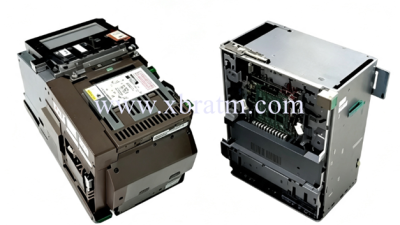
ATM Cash Recycling Trends—RBR Data Services Report Insights for Hitachi HT-3842 HCM Parts
Cash recycling is becoming a practical priority for ATM operators seeking to reduce cash-handling costs and improve branch efficiency. Industry research from RBR Data Services identifies cash recycling, deposit automation, and higher machine availability as important directions in the evolving ATM market. The World Bank’s Global Findex 2021 also recorded continued reliance on cash in many economies, supporting demand for machines that can accept, authenticate, store, and dispense banknotes within one transaction cycle.
For HCM-compatible ATM modules, dependable parts are essential to maintaining these capabilities. High-wear components such as note transport belts, rollers, pick-up assemblies, sensors, shutters, cassette mechanisms, and reject-path components directly influence recognition accuracy and transaction continuity. Selecting replacement parts with consistent dimensions, stable materials, and tested electrical compatibility can help reduce jams, failed deposits, and unnecessary service visits.
ATM industry forecasts further emphasize lifecycle extension as operators balance modernization with existing infrastructure. Instead of replacing complete systems, targeted refurbishment of cash-handling assemblies can support uptime while controlling maintenance budgets. A structured parts program should therefore prioritize preventive replacement intervals, traceable quality inspection, and compatibility testing across recycling, escrow, and dispensing functions.
FAQS
: Compare counting accuracy, sensor performance, certifications, warranty terms, spare parts, and export support. Appearance is secondary. Use identical test conditions for every supplier.
Test 1,000 notes in five batches of 200. Include clean, folded, worn, and lightly stained notes. Record missed counts, false alarms, jams, and pauses. A showroom test alone is not enough.
UV sensors inspect ultraviolet security features. MG sensors inspect magnetic elements. IR sensors help recognize infrared patterns and denominations. The machine should combine these functions without noticeably slowing down.
Record counting speed, rejected notes, double-note errors, display mismatches, and operating temperature. Also check hopper capacity, noise, and restart behavior after power interruption. Photograph error messages. Keep signed records.
Mark every rejected note during the test. Inspect each note manually afterward. Classify false alarms separately from genuine detection failures. This creates clearer evidence.
Certifications provide useful evidence about production control, safety, and restricted-material management. Verify each certificate against the exact machine model. A certificate cannot replace hands-on testing. That point is often missed.
Request the machine price, packaging, testing, certificates, delivery terms, and export documents. Confirm whether freight is included. A cheap unit may create higher total costs later. Price alone can mislead.
Ask whether coverage lasts 12 or 24 months. Confirm coverage for labor, shipping, electronic boards, and calibration support. Request spare-part numbers and replacement instructions. Response time matters.
A sample allows testing with real notes from another branch or cash drawer. Run continuous operation for several hours. Repeat testing after cleaning the sensor area. Results may change with paper quality and note condition.
Even a well-tested machine may struggle with unusually damaged notes. Dust can change feeder performance. Service quality is difficult to measure before purchase. Some comparisons remain imperfect. Use trial results and written contract details together.
Conclusion
A Counter Bill Machine is an essential tool for banks, retailers, cash centers, and other businesses that handle large volumes of notes. Modern machines typically provide counting, value sorting, and counterfeit detection, with common performance benchmarks ranging from 600 to 1,500 notes per minute and hopper capacities of 100 to 500 notes. Reliable models may use UV, magnetic, and infrared sensors, while quality certifications such as ISO 9001, CE, and RoHS can support supplier evaluation. The reference to 18 counterfeit notes per million recorded in 2024 also highlights the importance of accurate verification.
This guide presents a practical comparison of China’s leading suppliers without focusing on brand names. It considers machine models, supported currencies, speed ratings, OEM capabilities, unit cost, warranty terms, spare-parts availability, and export service. Buyers should validate supplier claims by testing at least 1,000 notes and checking counting accuracy, false-alarm frequency, error rates, operating stability, and after-sales support before placing an order.