Follow us:

Leave Your Message
-
Whatsapp

-
WeChat


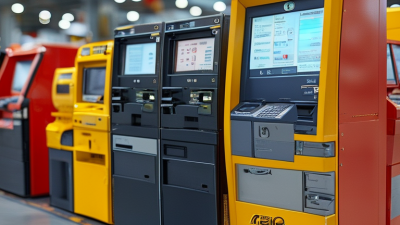
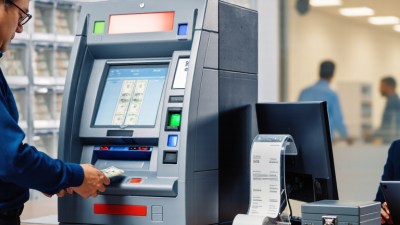
A Cash ATM machine can definitely help your business meet customers' cash needs, but buying one isn’t just about comparing sticker prices. The right choice really depends on where you plan to put it, how often people will be using it, and what kind of ongoing support you'll need. For example, a machine placed near the checkout might see quite different usage than one tucked away in a quiet lobby. Little details matter a lot here. Before you make any decision, try to estimate how many transactions you expect daily, and think about practical stuff—like how much space you’ve got, how visible the machine is, power access, network coverage, and how you'll safely restock cash. Doing these quick checks can turn what might seem like a simple sales pitch into a solid, realistic plan for running the machine long-term.
In this guide, I’ve put together ten tips covering different machine types, costs (both upfront and ongoing), cash capacity, connectivity options, security features, warranty details, service responsiveness, and how you’ll handle cash management. When you get quotes, compare not just the prices but also ask what’s included—are there extra fees for software, servicing, or transaction charges? Make sure you know which tasks will be your responsibility and which are covered. A machine with a low initial price might end up costing more later thanks to service bills or hidden fees—so it’s worth asking for that info in writing.
Also, don’t forget to review the manufacturer’s specs and operating instructions, and double-check any local regulations or requirements with qualified sources before you install anything. Keep in mind, no estimate is ever perfect—your customer habits might shift, or cash demand could be lower than expected. It’s smart to build in some conservative assumptions, review how things are working after a few weeks, and see this purchase as an ongoing business decision—not just a one-and-done equipment buy.
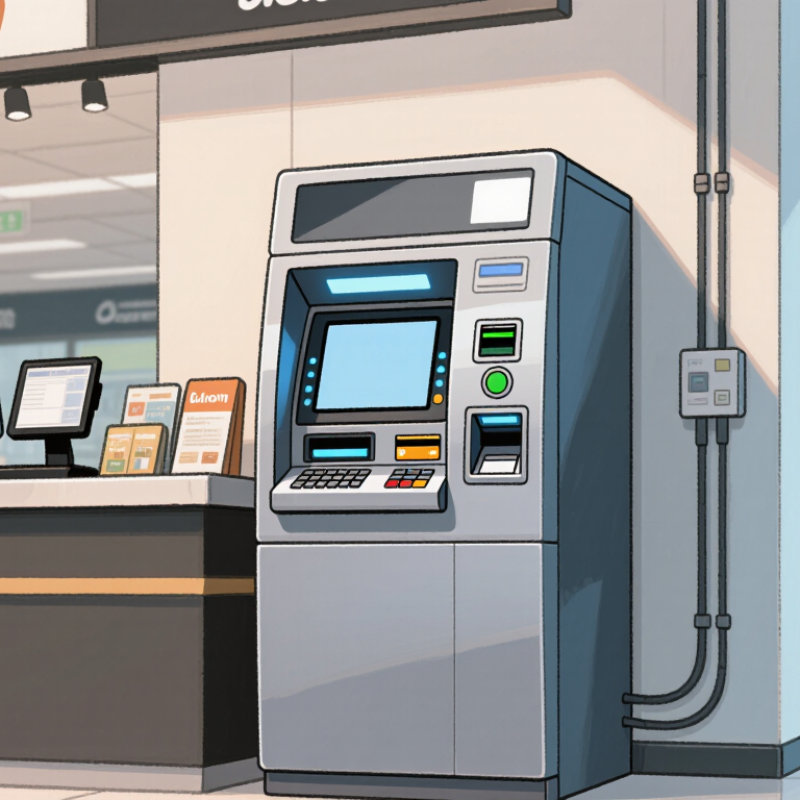
Before buying a Cash Machine Atm, define who will use it, when, and why they need cash. Count foot traffic at the exact site during weekday mornings, lunch hours, evenings, and weekends. A busy street can still produce few withdrawals. Ask nearby merchants about anonymized cash-sale patterns, then compare them with your own observations. Start with evidence.
The Federal Reserve’s 2024 Diary of Consumer Payment Choice reports that cash accounted for 16% of U.S. consumer payments in 2023. Treat this as context, not a site-specific forecast. Payment share does not tell you how many people will withdraw cash from your machine. Averages can mislead. Estimate likely transactions by tracking local visitors, nearby cash access, seasonal peaks, and the hours your location operates.
Build a simple daily-use estimate: expected withdrawals multiplied by your likely average withdrawal amount. Then test low, typical, and busy-day scenarios against cash replenishment costs, service fees, and possible downtime. Record assumptions; they are easy to forget. If possible, observe comparable locations for several weeks before committing. A short observation period may miss paydays, holidays, or quiet weather, so revisit the estimate before choosing machine capacity and placement.
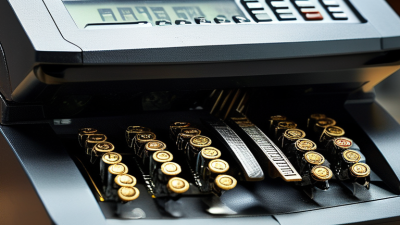
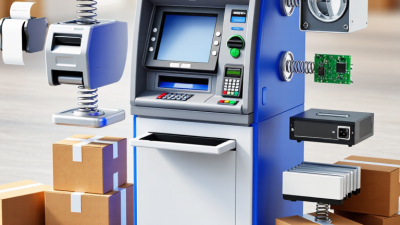
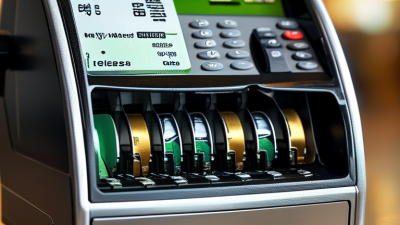
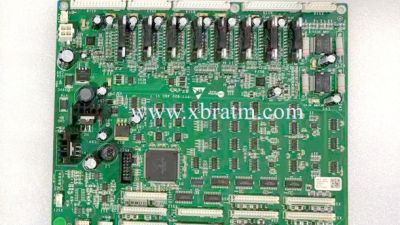
The main control board is central to the reliability of an ATM dispenser: it coordinates commands between the terminal and cash-handling mechanisms, helping ensure that each transaction is processed in the correct sequence. In a CRM9250-class dispenser, dependable operation starts with stable power delivery, secure board connections, and consistent communication with sensors and motors. Small faults—such as a loose connector, component wear, or intermittent signal—can interrupt dispensing and increase service calls, so inspection and preventive maintenance are essential.
Cash remains an important part of payment access. The Federal Reserve’s *2023 Diary of Consumer Payment Choice* reported that cash accounted for 18% of consumer payments in 2022, underscoring why reliable cash-dispensing equipment still matters. The World Bank’s *Global Findex Database 2021* found that 76% of adults worldwide had an account at a financial institution or mobile-money provider, highlighting the broad role of accessible financial services. For operators, monitoring dispenser errors, recording recurring faults, and replacing worn components with compatible parts can help keep ATM service dependable and reduce avoidable downtime.
Count visitors during weekday mornings, lunch, evenings, and weekends. Ask nearby merchants about general cash-sale patterns. A busy sidewalk alone proves little.
Observe comparable sites for several weeks if possible. Include paydays, holidays, and quieter periods. One week may miss the real pattern.
Multiply expected withdrawals by the likely average withdrawal amount. Test low, typical, and busy-day scenarios. Write down your assumptions.
Include delivery, site preparation, connectivity, insurance, software, servicing, and any landlord share. Add receipt paper, repairs, and cash replenishment. Small costs add up.
No. Cash represented 16% of U.S. consumer payments in 2023, but that figure cannot predict one site’s withdrawals. Local habits matter more.
For example, 300 monthly withdrawals with a $3 surcharge produce $900 in gross surcharge revenue. That is not profit. Subtract operating costs and downtime.
Confirm parts and labor coverage, exclusions, shipping costs, software updates, and weekend response times. Check renewal fees and cancellation terms. Get details in writing.
Ask for references from operators with similar traffic. Find out how quickly service calls were resolved and who coordinates cash loading. Promises need checking.
Buying a Cash Atm Machine starts with understanding your business needs, including where it will be placed, how many customers may use it, and how often it will need replenishing. Compare machine types, useful features, and connectivity options to find a setup that fits your location and daily operations. Before purchasing, estimate the full cost—not just the machine’s price, but also installation, maintenance, transaction expenses, and cash management—then weigh these costs against realistic revenue expectations.
Check that the machine can be operated securely and that your cash-handling procedures are practical. Compare vendors based on clear warranty terms, responsive support, and access to replacement parts. Before installation, inspect the ATM, test its key functions, and confirm that the site has suitable power, network access, visibility, and space. Careful planning can help you choose a reliable machine and manage it effectively over time.