Getting a good grip on ATM machine components is pretty important if you're into banking tech or just curious about how these everyday gadgets actually work. Let’s be honest, these machines are everywhere now — it’s hard to imagine life without them! But honestly, most of us don’t think twice about what’s happening inside when we’re just trying to grab some cash or check our balance. Knowing the ins and outs can really make us appreciate how smooth they’re supposed to run, and maybe help us spot when something’s off.
Those ATM parts — like the cash dispenser, card reader, and all that — are the real heroes behind the scenes. Each piece plays its part, and if one thing isn’t working right, well, it can cause serious hassle for users. For example, the cash dispenser needs to be super precise — mistakes here can be a nightmare. Same for the card reader; it has to keep our info safe and secure. When something goes wrong, it’s frustrating, and we all know that feeling.
Plus, understanding these components isn’t just for the bank folks. It’s also pretty useful for us regular users. Every time we pop in our card, an incredibly complex system kicks into gear. Sometimes, folks worry about safety or how fast things are happening. Digging a little into what makes these machines tick can actually shed light on what needs fixing and maybe even spark ideas on how they can be better. It’s all about opening up a chat on how tech can serve us smarter and better every day.
Essential Components of an ATM Machine Explained
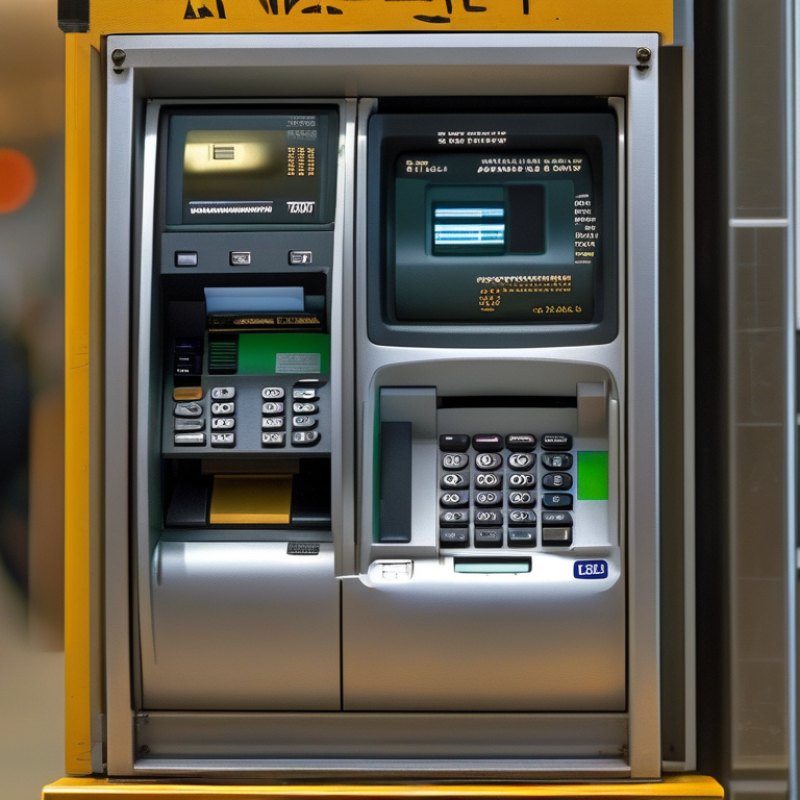
Understanding the essential components of an ATM machine is crucial for finance professionals and businesses alike. Every ATM consists of several key parts that ensure its functionality and security. The main components include a cash dispenser, card reader, and secure communication systems. According to a report by Grand View Research, the global ATM market is expected to grow significantly, highlighting the importance of these components in modern banking.
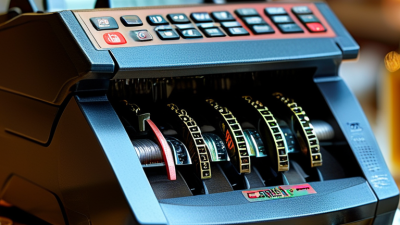
The cash dispenser is vital. It utilizes a series of motors and sensors to accurately deliver cash. This component must be designed for reliable performance. A malfunction can lead to customer dissatisfaction. Moreover, the card reader is equipped with magnetic stripe and chip technology. This dual functionality is essential since more banks are moving towards EMV chip cards for enhanced security.
Pay attention to maintenance of these components. Regular checks can prevent unexpected downtime. Keeping software updated can also enhance security features. Knowledge is power in this industry; understanding components helps in troubleshooting issues. As ATM technology evolves, incorporating biometric authentication is becoming more common, showing a shift in security measures. Being aware of these changing trends can be quite beneficial for anyone involved in ATM operations.
Essential ATM Machine Components You Need to Know
| Component |
Description |
Function |
| Card Reader |
Device that reads plastic cards with magnetic stripes or chips. |
Enables access to the user's account information. |
| Cash Dispenser |
Mechanism that dispenses cash to the user. |
Provides the user with requested cash during transactions. |
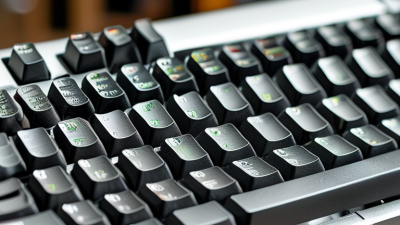
| Keypad |
Input device with numbered keys for user interaction. |
Allows users to enter PINs and transaction amounts. |
| Display Screen |
Visual interface for user interaction. |
Shows transaction information and instructions to the user. |
| Receipt Printer |
Printer that produces transaction receipts. |
Provides a physical record of transactions for users. |
| Dispenser Mechanics |
Hardware responsible for the accurate dispensing of cash. |
Ensures proper cash handling and delivery. |
| Communication Module |
Device that connects the ATM to the bank network. |
Facilitates data transfer for transaction processing. |
| Security Features |
Includes locks, cameras, and alarms. |
Protects both the ATM and user transactions against theft. |
The Role of the ATM Control Board in Operations
The ATM control board plays a crucial role in the operations of automated teller machines. It acts as the brain of the ATM, controlling all activities that the machine undertakes. From processing transactions to communicating with bank servers, the control board is essential for seamless operation. It ensures that each component of the ATM functions correctly. Without a well-functioning control board, the ATM can malfunction, leading to frustrated users.
The control board integrates various hardware components. These include the card reader, cash dispenser, and printer. Any failure in communication between these components can stall transactions. Maintenance is key; regular check-ups can prevent situations where a consumer is left waiting. Always monitor for signs of wear. Understanding how the Atm Machine Hardware Components work together is vital for ensuring optimal performance.
To enhance ATM reliability, consider some key practices. Ensure that the control board is updated regularly to handle software changes. Monitor the power supply as fluctuations can disrupt functionality. It's also wise to keep the ATM clean, as debris can affect hardware performance. Investing in training for technicians can help them better understand potential issues involving the control board.
Understanding the Functions of the Cash Dispenser
The cash dispenser is a crucial component of any ATM machine. It manages the cash supply and dispenses notes to users. According to a report by the ATM Industry Association, approximately 80% of all ATM transactions include cash withdrawals. This shows how vital the cash dispenser is to customer experience.
The cash dispenser's design impacts its efficiency. It typically includes a cash cassette, which stores the notes until needed. Regular maintenance is necessary to prevent malfunctions. In 2022, statistics indicated that nearly 10% of ATMs experienced downtime due to cash dispenser issues. Users often face delays if the machine malfunctions or runs out of cash.
Additionally, the cash dispenser operates with security features to protect against theft. This includes anti-skimming devices that prevent unauthorized access to user data. However, these systems can be complex. Some ATMs may lack adequate anti-fraud measures, opening them up to vulnerabilities. Understanding how these components work can help improve overall ATM reliability and security.
Importance of the Card Reader in ATM Transactions
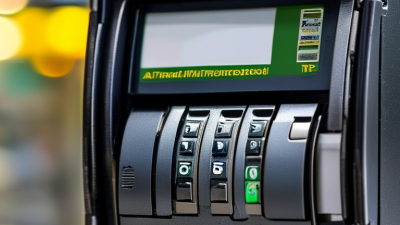
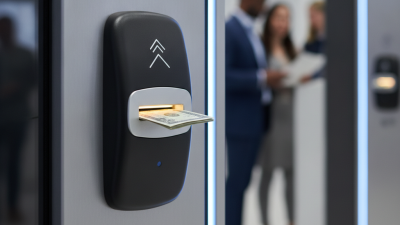
The card reader is a vital component in ATM transactions. It serves as the gateway for users to access their bank accounts. When a card is inserted, the reader captures essential data. This data includes the card number and expiration date. A reliable card reader ensures secure communication between the ATM and the user's bank.
However, card readers can sometimes malfunction. Dust and debris can accumulate, leading to errors. A user may find their card stuck or not recognized. This situation can cause frustration and disruption. Regular maintenance of the Atm Hardware Components, including the card reader, can mitigate these issues.
Security is another concern with card readers. They are often targeted by criminals seeking to steal personal information. Some card readers have anti-skimming technology to counteract these threats. Yet, not all machines are equipped with advanced protection. Users should remain vigilant while using ATMs and report any suspicious devices. Understanding the importance of the card reader can enhance user experience and security.
Importance of the Card Reader in ATM Transactions
How the Secure Enclosure Protects ATM Components
The secure enclosure plays a crucial role in protecting ATM components from theft and damage. This sturdy housing shields essential parts like the cash dispenser, card reader, and main motherboard. It also deters vandalism and unauthorized access, ensuring smooth operations.
Creating an effective secure enclosure involves selecting materials that can withstand various external pressures. Stainless steel and reinforced plastics are common choices. While these materials are strong, they must be designed with flexibility to prevent damage during forced entry attempts. This balance between toughness and adaptability often requires expert input.
Pay careful attention to ventilation and temperature control within the enclosure. Overheating can lead to malfunctions, while proper airflow ensures long-term functionality. Regular maintenance checks help identify any issues before they escalate. Monitoring these factors is essential for optimal ATM performance.
The Significance of the Communication Module
The communication module is crucial in an ATM machine's operation. It acts as the bridge between the machine and external networks. This component ensures that transactions are processed swiftly and securely.
A malfunctioning communication module can lead to delays, impacting customer satisfaction.
Understanding how this module works is vital for maintenance. It uses various protocols to send and receive information. This process includes handling user inputs and relaying requests to the bank.
Reliable communication helps prevent errors or fraud. However, unexpected issues can still arise. For instance, poor connectivity to the network may cause transaction failures.
Investing in a high-quality communication module is beneficial. Yet, regular checks and updates are necessary. Operators must assess performance continually. By doing so, they ensure the ATM remains functional and secure.
This approach mitigates risks and enhances user experience. Nonetheless, some factors, like environmental conditions, can be difficult to manage. Continuous learning and adaptation are essential in this ever-evolving field.
Relevance of the Power Supply Unit in ATM Functionality
The power supply unit (PSU) plays a crucial role in the functionality of Automated Teller Machine Machine (ATM). It ensures that the machine operates smoothly and consistently. A reliable PSU provides stable voltage to components like the central processing unit and card reader, directly influencing the machine's availability and performance. According to industry reports, up to 35% of ATM outages are linked to power supply issues. Ensuring your ATM has a high-quality PSU can significantly minimize these problems.
Regular maintenance of the power supply unit is vital. Technicians should conduct routine checks every six months. This helps identify potential faults before they lead to costly downtime. Additionally, investing in surge protection can shield the PSU from voltage spikes. Such preventive measures safeguard assets and enhance user experience.
Affordable troubleshooting methods can also be helpful for ATM operations. Consider equipping ATMs with backup batteries that ensure continued operation during power failures. Always verify power connections are secure. These small steps can make a big difference in maintaining uptime and service reliability. Engaging with professionals who understand the intricacies of Automated Teller Machine Machine systems can enhance overall performance and efficiency.
FAQS
It reliably delivers cash using motors and sensors. A malfunction can lead to customer dissatisfaction and lost trust.
Card readers use magnetic stripe and chip technology. This dual function enhances security for users.
Dust and debris may accumulate, causing cards to get stuck or unreadable. Regular maintenance helps prevent these issues.
Users should watch for suspicious devices on ATMs. Some machines have anti-skimming technology, yet not all do.
It shields crucial parts from theft and vandalism, ensuring smooth ATM operations and protecting user information.
Stainless steel and reinforced plastics are popular. These materials provide strength but must also allow for some flexibility.
Proper airflow prevents overheating, which can cause malfunctions. Regular checks are necessary for sustained performance.
Knowledge of components aids in troubleshooting and enhances the overall user experience.
Regular checks on the card reader, cash dispenser, and software updates are crucial to ensure smooth functionality.
Conclusion
An ATM machine is composed of several essential components that work together to provide a seamless banking experience. Key components include the ATM control board, which manages the device's operations, and the cash dispenser, responsible for providing currency to users. The card reader plays a crucial role in verifying customer accounts, while the secure enclosure safeguards the machine's internal elements.
In addition to these, the communication module ensures connectivity with banking networks for transaction processing, and the power supply unit maintains the functionality of all components. Understanding these ATM machine components is vital for recognizing how they operate cohesively to facilitate secure and efficient transactions in today's banking landscape.