Picking the right ATM machine keypad is a pretty important step if you want things to run smoothly. A good keypad doesn’t just make it easier for users—it also keeps everything secure. With so many models and features out there, it’s easy to get overwhelmed trying to decide which one’s best.
Every business is different, right? That means their needs aren’t the same, so the keypad you choose should really match what you’re looking for. Some places need something super tough and durable, while others might prioritize a simple, user-friendly design. Think about where the ATM will be and how often it’ll be used—that stuff really matters. Unfortunately, a lot of folks overlook these little details and end up facing issues down the line.
It’s definitely a good idea to chat with experts on this. Companies like ATM Solutions know their stuff and can give you solid advice. But, at the same time, don’t just take their word for it—make sure whatever they suggest actually fits your needs. Honestly, choosing the right ATM keypad isn’t just about picking something off the shelf; it’s about thinking carefully and weighing your options.
Understanding Keypad Types: Membrane vs. Mechanical Preference
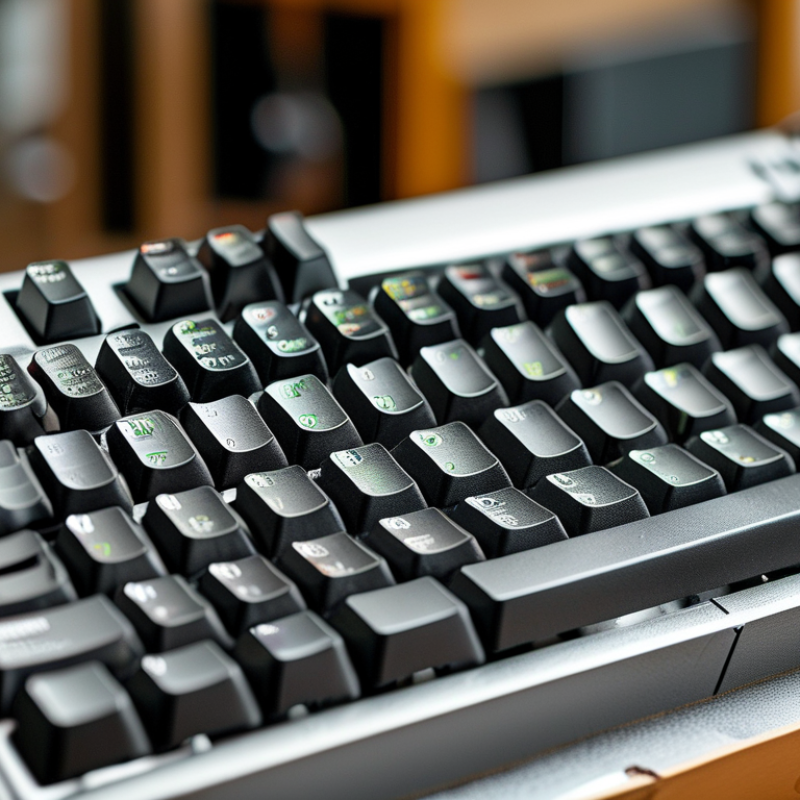
When choosing an ATM machine keypad, understanding the differences between membrane and mechanical options is essential. Membrane keypads are often seen in various applications due to their smooth surface and ease of cleaning. These keypads typically feature a flexible structure, allowing them to withstand spills and rough usage. According to industry reports, around 70% of ATM manufacturers prefer membrane keypads for their durability and low maintenance costs.
On the other hand, mechanical keypads consist of individual switches that offer tactile feedback. This feature can enhance user experience by providing confirmation with each press. A recent survey shows that 60% of users prefer mechanical keypads for their satisfying click feeling. However, they may require more maintenance over time, as dirt can accumulate between keys.
Making the right choice depends on the intended environment. For high-traffic areas, membrane keypads might be more suitable. They are resistant to wear but lack the tactile response that some users find comforting. Mechanical keypads shine when user interaction is essential, but they may falter in less clean environments. Both keypad types have their merits and limitations, calling for careful reflection on specific needs.
Assessing Keypad Durability: MTBF and ANSI Standards Considerations
When selecting an ATM machine keypad, understanding durability is crucial. Keypads must withstand heavy usage and various environmental factors. The Mean Time Between Failures (MTBF) metric is instrumental in assessing reliability. A high MTBF indicates prolonged performance, reducing the need for frequent repairs. Keypads that adhere to ANSI standards typically exhibit better quality and longer-lasting usability.
However, not all keypads are created equal. Some may perform well under specific conditions but fail elsewhere. For instance, a keypad may excel in indoor settings but struggle outdoors. Potential users should consider the operating environment and usage frequency. If the keypad experiences heavy foot traffic, durability becomes even more vital. Regular evaluation of its performance is necessary, as wear over time can lead to malfunctions.
Choosing the right keypad means striking a balance between functionality and endurance. A reputable supplier can provide insights into the overall durability and expected lifespan of their products. In cases of malfunction, knowledge about Atm Keypad Repair can save time and resources. Understanding these aspects allows operators to select keypads that best suit their needs while ensuring consistent performance.
Evaluating User Interface: Size, Layout, and Ergonomic Factors
When selecting the right Automated Teller Machine Machine keypad, the user interface is paramount. Size, layout, and ergonomic factors significantly impact the user experience. A keypad that is too small may lead to misinputs, while an excessively large one can make navigation cumbersome. Choose a size that feels comfortable and balances space efficiency.
Consider the layout of the keys. A logical arrangement can enhance usability. For instance, a standard numerical layout mimics familiar devices, reducing confusion. Keys should be spaced adequately to accommodate users of various hand sizes. An ergonomic design can prevent strain during prolonged use. Test the keypad to ensure it feels natural.
A few essential tips can guide your choice. Test the keypad before purchase. Assess if it meets your specific needs. Ensure the keys are responsive to the touch. Evaluate the visual contrast of the keys against the background for ease of reading. Remember, not all designs suit every situation. Reflect on your usage context to make the best choice.
How to Choose the Right ATM Machine Keypad for Your Needs?
| Dimension |
Description |
Importance Level |
| Size |
The dimensions of the keypad, affecting visibility and usability for different users. |
High |
| Layout |
Arrangement of buttons for numbers, functions, and special keys; influences speed of use. |
Medium |
| Ergonomics |
Comfort and health considerations for prolonged use; includes button design and spacing. |
High |
| Feedback Mechanism |
Types of tactile or auditory feedback provided to users upon input. |
Medium |
| Durability |
Resistance to wear and tear over time, essential for high-usage environments. |
High |
| Weather Resistance |
Ability to function in various environmental conditions (e.g., rain, heat). |
Medium |
Exploring Security Features: Encryption Standards and Vulnerability Risks
When selecting an ATM machine keypad, understanding security features is crucial. Encryption standards serve as the first line of defense. Many ATMs utilize AES-256 encryption, which is considered robust. However, a report from the Payment Card Industry Security Standards Council notes that even the best encryption can be vulnerable under certain conditions. For instance, attackers can exploit outdated software or weak access controls to bypass these protections.
While encryption matters, the physical security of the ATM machine keypad shouldn't be overlooked. Keypads are often targets for skimming devices. A study by the Association for Financial Professionals revealed that 76% of businesses reported having faced some form of ATM fraud in the last year. This statistic highlights the need for secure keypad designs that deter tampering. Moreover, vulnerability risks increase with location. ATMs placed in poorly lit or isolated areas tend to attract more criminal activity than those in secure environments.
There’s an ongoing challenge in securing ATM machines as flaws can go unnoticed for too long. For example, many keypads may lack the latest security patches. Even the most advanced encryption doesn't eliminate vulnerability entirely. Regular audits and updates are necessary to safeguard both hardware and software components.
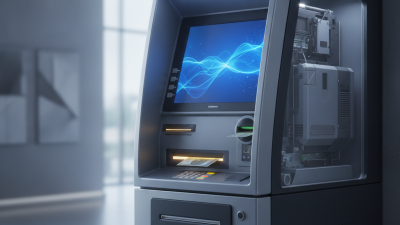
Analysis of Encryption Standards in ATM Keypads
Analyzing Cost-Effectiveness: Budgeting for Initial Purchase vs. Long-Term Use
Atm Machine keypad, both initial costs and long-term investment must be considered.
The upfront price can vary widely. Basic keypads may start at $300, while advanced models can exceed $1,500. A 2022 industry report by the Automated Teller Machine Association highlighted that businesses often overlook long-term maintenance costs. Regular upkeep for an ATM machine might amount to 15-20% of the initial purchase price annually.
Additionally, technological advancements can impact cost-effectiveness. A study from the Financial Services Innovation Coalition indicated that keypads with enhanced security features could reduce fraud incidents by up to 30%. While these keypads may have a higher initial price, the potential savings from fraud prevention could justify the extra investment. However, businesses must assess their transaction volume and frequency to ensure they are making the best financial decision over time.
Choosing the right ATM machine keypad is not just about price. It's also about evaluating the total cost of ownership. Over a four-year period, the total costs can fluctuate significantly based on usage, maintenance, and upgrades. Companies must weigh these factors carefully. Understanding both short-term expenses and long-term implications can lead to smarter investments in ATM technology.
Examining Environmental Conditions: Indoor vs. Outdoor Usage Requirements
When choosing a keypad for ATM machines, environmental conditions play a critical role. Indoor and outdoor settings require different specifications to ensure functionality and durability. According to industry reports, around 45% of ATMs deployed outdoors are subjected to extreme weather conditions. Rain, snow, and heat can all affect the performance of keypads.
In outdoor environments, keypads must possess weatherproof capabilities. Materials such as rubber or specialized polymers are often recommended. Reports indicate that keypads designed for these conditions can successfully operate at temperatures ranging from -40 to 70 degrees Celsius. Conversely, indoor keypads may only need to comply with basic standards. Yet, they should handle a range of daily-use factors, like wear from frequent transactions.
User interfaces also vary based on location. Transparency is vital for outdoor keypads, where glare could impede usability. For indoor models, tactile feedback is essential to facilitate quick interactions. However, even with expertise in design, manufacturers sometimes fall short on the durability spectrum. An underestimation of daily wear could lead to increased maintenance costs and user dissatisfaction. Different conditions require distinct considerations, and balancing between cost and performance remains a challenge.
FAQS
: Membrane keypads are known for their smooth surface, ease of cleaning, and durability.
Many users enjoy mechanical keypads for the tactile feedback and satisfying click sound they provide.
High-traffic areas may require membrane keypads for durability, while interactive settings might benefit from mechanical keypads.
Size, layout, and ergonomic design significantly affect user experience and ease of use in selecting a keypad.
The keypad size should be comfortable and efficiently utilize space to avoid misinputs and navigation issues.
Testing helps assess responsiveness and ensures it meets specific user needs and feels natural during use.
Companies often overlook long-term maintenance costs, which can be significant, amounting to 15-20% annually.
Keypads with enhanced security features may have higher initial costs but can reduce fraud incidents and save money.
Companies must consider initial costs, maintenance, usage frequency, and potential savings over time for better decisions.
Adequate visual contrast improves readability and usability, especially for users with varying visual abilities.
Conclusion
When selecting the right ATM machine keypad, several key factors must be taken into account to meet specific needs effectively. First, understanding the types of keypads—either membrane or mechanical—is crucial as each offers distinct advantages in terms of user experience and durability. Durability, measured by Mean Time Between Failures (MTBF) and adherence to ANSI standards, plays a critical role in ensuring long-term functionality.
Additionally, the user interface should be evaluated for size, layout, and ergonomic design to enhance usability. Security features, including robust encryption standards, are essential to protect against vulnerabilities. Cost-effectiveness is another important consideration, balancing initial purchase price against potential long-term use costs. Lastly, understanding the environmental conditions—whether the keypad will be used indoors or outdoors—can influence the choice of materials and protection measures. With these aspects in mind, one can make a well-informed decision when selecting an ATM machine keypad that best suits their operational needs.