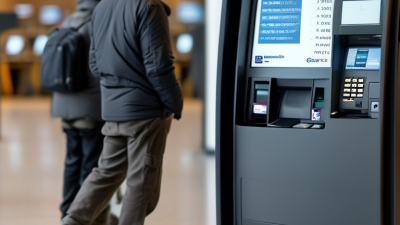
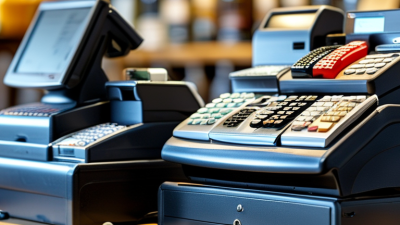
In today’s super busy business world, picking the right Bill Acceptor is kinda essential for keeping things running smoothly. According to IBISWorld, the cash handling industry’s been growing about 3.5% year over year. Part of that honestly boils down to more and more sectors—like vending, gaming, and retail—needing reliable payment systems. A good Bill Acceptor doesn’t just make sure transactions are accurate; it also makes customers happy and keeps things moving without a hitch.
A lot of businesses don’t realize just how tricky choosing the right Bill Acceptor can be. There are things like compatibility, security features, and whether it can handle different currencies that really matter. If you pick the wrong one, you might end up dealing with more downtime and frustrated customers—nobody wants that. Market Research Future reports that companies can actually lose up to 30% of sales because of payment processing problems, which is pretty eye-opening.
Thinking long-term is also super important. A well-chosen Bill Acceptor that fits your business can speed up transactions and cut down on operational costs. It’s worth taking the time to consider these points, especially since payment tech keeps evolving. At the end of the day, making the right choice means your business stays ahead and keeps customers coming back.
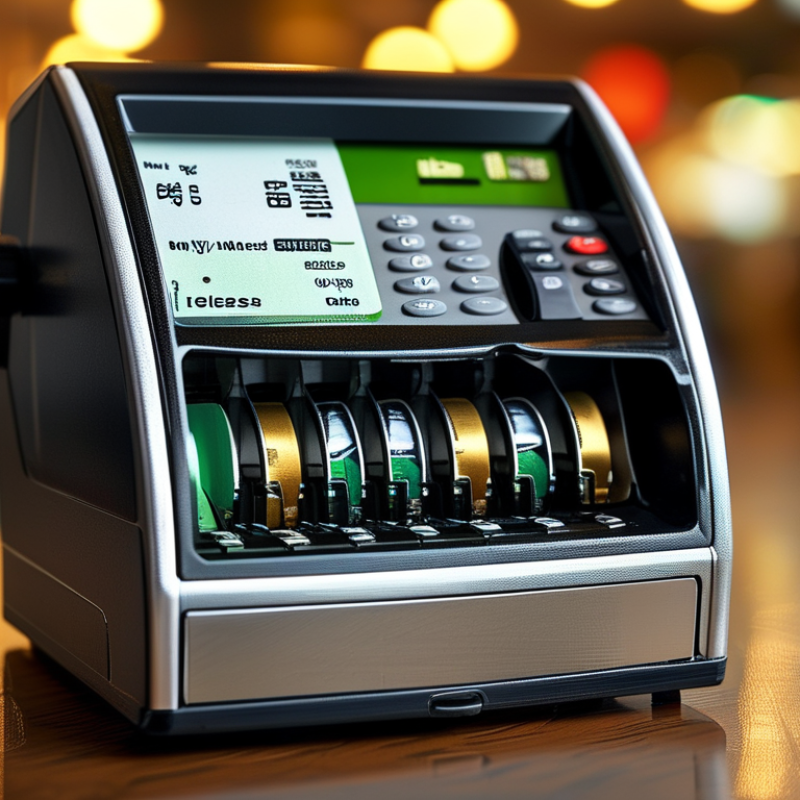
Understanding Bill Acceptors and Their Importance for Businesses
Bill acceptors are vital tools for businesses that handle cash transactions. They automate the payment process, helping to reduce human error and improve efficiency. By ensuring accurate cash transactions, bill acceptors can enhance customer trust and satisfaction. They are particularly beneficial in retail environments, vending machines, and casinos, where quick payment is essential. However, selecting the right bill acceptor requires careful consideration of various factors.
Many businesses overlook the importance of compatibility. Ensure the Top Bill Acceptor you choose integrates seamlessly with your existing systems. This avoids technical challenges and operational downtime. Reliability is another crucial factor to consider. An unreliable bill acceptor can disrupt service and frustrate customers. Look for models with strong performance records and positive user reviews.
It's also essential to think about maintenance. Some bill acceptors may require regular cleaning or updates. Choose a model that offers easy maintenance, allowing your staff to manage issues efficiently. Remember, the best bill acceptor not only meets your current needs but also adapts to future business growth. Keep these details in mind to make a well-informed decision.
Key Factors to Consider When Choosing a Bill Acceptor
When selecting a bill acceptor for your business, start with reliability. A Dollar Bill Acceptor must operate smoothly under various conditions. It's crucial that it accurately recognizes bills, reducing the likelihood of rejected transactions. Business owners often overlook the importance of frequent maintenance. Regular cleaning and updates can prevent operational hiccups.
Another factor to consider is the speed of transactions. Customers value efficiency. A faster bill acceptor enhances the overall customer experience. However, speed shouldn't compromise accuracy. Monitoring both speed and error rates is essential for ongoing improvements. You may find that some models excel in one area but falter in another, leading to a need for further evaluation.
Finally, compatibility with existing systems is vital. A new Dollar Bill Acceptor should integrate seamlessly with your point-of-sale setup. Some users report frustration when devices do not interface as promised. Taking the time to ensure compatibility can save future headaches. Remember to weigh feedback from users when making a choice; real-world experience often reveals insights you might not otherwise consider.
Types of Bill Acceptors and Their Applications in Different Industries
When considering bill acceptors for your business, understanding their applications across various industries is essential. Retail environments often use coin and bill acceptors due to the high volume of transactions. These machines can process notes quickly, enhancing customer satisfaction. In vending operations, bill acceptors enable users to purchase items without needing change. This convenience can increase sales, especially in busy locations.
For gaming machines, bill acceptors serve a critical role. They accept notes and provide a seamless user experience. This can elevate a player's engagement and time spent, which is crucial in this competitive industry. Additionally, in public transport, bill acceptors contribute to efficiency. They allow passengers to pay fares with ease, thus speeding up the boarding process.
When choosing a bill acceptor, consider the specific demands of your industry. Compatibility with existing systems is vital. Look for models that handle various currencies if you operate internationally. Conduct some testing to ensure reliability. Evaluate customer service options for maintenance. Paying attention to these factors can prevent future challenges. Knowing the needs of your customer base is another key aspect. This insight will guide you in making an informed decision.
How to Choose the Best Bill Acceptor for Your Business? - Types of Bill Acceptors and Their Applications in Different Industries
| Type of Bill Acceptor |
Key Features |
Common Applications |
Industry |
| Standard Bill Acceptor |
Accepts multiple denominations, provides cash management |
Vending machines, arcade games |
Entertainment, retail |
| Smart Bill Acceptor |
Features anti-fraud technology, real-time connectivity |
Kiosk payments, laundry machines |
Self-service, hospitality |
| High Capacity Bill Acceptor |
Large bill storage, high transaction speed |
Transport systems, parking meters |
Transportation, public services |
| Mobile Bill Acceptor |
Portable and compact design, battery-operated |
Food trucks, pop-up shops |
Food and beverage, retail |
Evaluating the Security Features of Bill Acceptors
When selecting a bill acceptor for your business, security features are paramount. A recent study found that over 30% of businesses report losses due to counterfeit bills. This statistic underscores the need for advanced fraud detection technologies in bill acceptors. Many devices come equipped with multiple sensors to detect fake currency. These include ultraviolet, magnetic, and infrared sensors. Each layer of detection decreases the likelihood of accepting counterfeit money.
In addition to counterfeit detection, consider the storage security of the bill acceptor. Some models offer tamper-proof designs that prevent unauthorized access. Reports indicate that secure cash handling can reduce theft risks by up to 40%. However, not all products provide the same level of protection. It’s essential to review user feedback and expert analyses to understand real-world performance.
While advanced security features sound impressive, they may also introduce complexities. Some users find sophisticated systems challenging to operate. A balance between security and usability is vital. Always evaluate your specific operational needs when choosing a model. Ensuring a smooth transaction process while maintaining security can be a difficult task.
Assessing the Compatibility of Bill Acceptors with Existing Systems
When selecting a bill acceptor, compatibility is crucial. Many businesses overlook this aspect. According to recent industry studies, about 30% of bill acceptor installations fail due to incompatibility with existing systems. This is a significant loss, both financially and operationally. Understanding your current setup is essential.
Evaluate the technology behind your existing cash management system. Check if the Vending Bill Acceptor can integrate seamlessly. Look at the communication protocols and connection types your system uses. A mismatch can lead to inefficiencies and increased downtime. In-depth research on technical specifications is vital.
User feedback highlights that 40% of businesses experience ongoing issues with their bill acceptors. These problems often stem from neglecting system compatibility. It is worth investing in compatibility assessments before making a purchase. A well-matched Vending Bill Acceptor can enhance both customer satisfaction and operational efficiency. Adapting to technological advancements is not just an option; it is a necessity for thriving in the current market.
Maintenance and Support: What to Look For in a Supplier
When selecting a bill acceptor for your business, consider the importance of maintenance and support from your supplier. Reliable service is crucial to minimize downtime. Look for suppliers that offer comprehensive warranty options. A good warranty reflects confidence in the product's performance and design.
Tip: Check if the supplier provides 24/7 support. Quick and effective assistance can resolve issues promptly. Delays can lead to customer dissatisfaction, so ensure the supplier is responsive.
Evaluate the availability of replacement parts. Suppliers that stock parts locally can provide faster repairs. The last thing you want is to wait weeks for a simple fix.
Additionally, consider training resources offered by the supplier. User manuals and on-site training can improve your team's efficiency. Familiarity with the equipment translates to better cash flow management. Investing in a reliable bill acceptor like the Cashcode Bill Acceptor means investing in your business's long-term success.
Cost Analysis: Balancing Quality and Budget for Bill Acceptors
Choosing the right bill acceptor for your business involves careful cost analysis. According to industry reports, approximately 30% of businesses experience revenue losses due to unreliable payment systems. Understanding the balance between cost and quality is essential for long-term success.
Many factors influence the cost of bill acceptors. Initial purchase costs vary significantly, often ranging from $200 to $1,500. However, maintenance and operation costs also play a crucial role. Studies show that businesses spend nearly 15% of their total equipment budget on maintenance. Investing in higher-quality bill acceptors may reduce these costs over time but requires higher upfront investment.
When assessing options, evaluate total cost of ownership. Look past the initial price tag and consider durability and reliability. Consider brands and models that have a solid track record. Look for customer reviews and case studies to validate your choice.
It's practical to set a budget, keeping in mind that quality matters. Lower-priced models may seem tempting but could lead to more frequent repairs. Research indicates that businesses often disregard long-term costs for short-term savings. An informed decision today can prevent costly mistakes later.
Enhancing ATM Performance: Key Features of the Fujitsu G610 Bill Recycling Unit with Cassette
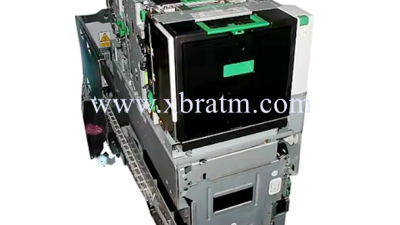
The performance of Automated Teller Machines (ATMs) has become a crucial factor in ensuring customer satisfaction and operational efficiency. One of the cutting-edge solutions available in the market today is a bill recycling unit with cassette technology. This innovative feature enhances the ATM's ability to manage cash flow effectively while simultaneously reducing transaction times for users. By incorporating bill recycling capabilities, these machines can accept, store, and dispense cash with greater efficiency, optimizing the overall user experience.
Central to this technology is the user-friendly design that allows for seamless integration into existing ATM systems. The bill recycling unit intelligently sorts and verifies bills, ensuring that only legitimate currency is circulated. This function not only minimizes the risk of counterfeit currency being dispensed but also ensures that the machine can provide accurate balances and limit downtime due to cash handling errors. The inclusion of advanced cassettes further elevates performance by allowing for increased capacity and faster processing, ultimately contributing to a smoother transaction experience.
Incorporating these key features into ATM designs not only meets the growing demands of users but also addresses the operational challenges faced by financial institutions. The enhanced reliability and efficiency of cash management provided by bill recycling units enable institutions to focus resources on customer service and expand their services, fostering customer loyalty in an increasingly competitive landscape.
FAQS
: Start with reliability and accurate bill recognition to minimize transaction rejections.
Frequent maintenance is essential. Regular cleaning and updates can prevent operational issues.
Customers appreciate efficiency. A faster acceptor improves the overall shopping experience.
No, speed should not compromise accuracy. Monitor both for optimal performance.
Ensure the new acceptor integrates seamlessly with your point-of-sale setup to avoid frustrations.
Consider initial purchase costs, maintenance fees, and overall durability for a total cost analysis.
Prices typically range from $200 to $1,500, varying based on features and quality.
Higher-quality models may reduce long-term maintenance costs, despite a higher upfront price.
Real-world experiences often reveal insights that may not be obvious during initial research.
Many prioritize initial savings over long-term quality, leading to costly repairs later.
Conclusion
Choosing the best bill acceptor for your business involves understanding its significance and the various factors that play a role in the decision-making process. Bill acceptors are essential tools for streamlining cash transactions across different industries. When selecting a bill acceptor, key considerations include its security features, compatibility with existing systems, and the level of maintenance and support offered by suppliers.
Moreover, businesses should evaluate the various types of bill acceptors available and their specific applications to ensure they meet operational needs. Conducting a thorough cost analysis is also crucial, as it helps in balancing quality with budget constraints, ultimately enabling businesses to invest in a reliable bill acceptor that fulfills their cash-handling requirements effectively.