In today's fast-moving world of handling cash, having a dependable Bill Counter is pretty much essential. Looking ahead to 2026, it’s clear that the demand for accurate and efficient cash counting tools is only going to bump up. Whether you run a small shop or manage a big retail store, the right Bill Counter can make a real difference—improving accuracy, cutting down human errors, and saving you a bunch of time in the process.
Big-name brands like Cassida and Semacon are always pushing the boundaries with new models that promise faster counting speeds and better counterfeit detection features. But, not all Bill Counters are created equal. Some folks have reported issues with cheaper models malfunctioning, which just goes to show how important it is to pick wisely. Checking out durability and reading reviews from other users can go a long way before you make your decision.
Ultimately, investing in a quality Bill Counter can seriously boost your business’s efficiency. The key is choosing a device that matches what your specific needs are. When you get it right, you can handle cash with confidence, building trust and reliability in your transactions. As we get closer to 2026, keeping up with the latest trends in Bill Counters will be super helpful for businesses that want to stay ahead in cash management.
Overview of Bill Counters and Their Importance in Cash Handling
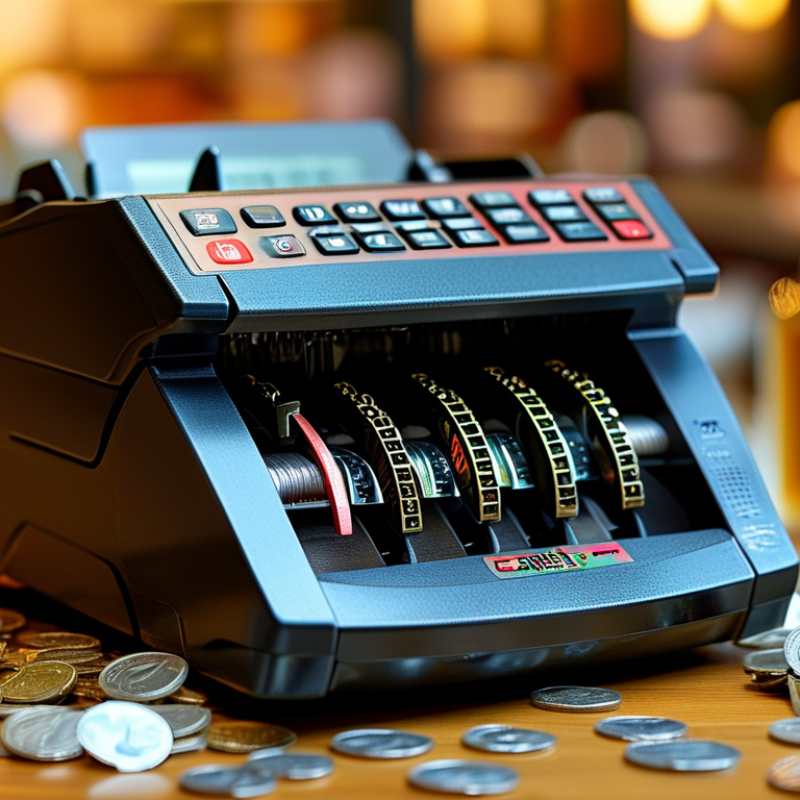
Bill counters play a vital role in accurate cash handling. Businesses across industries depend on these machines to streamline their cash operations. According to a recent industry report, over 80% of retailers use bill counters to ensure cash accuracy. This shift reduces human error and saves time. Implementing these machines can enhance operational efficiency significantly.
Understanding the importance of a reliable Counter Bill is essential. These machines detect counterfeit bills, providing security in transactions. Research shows that they can improve processing speed by up to 300%. This speed ensures that cashiers can serve customers faster and maintain a steady workflow.
To optimize cash handling, consider regular maintenance of your bill counters. Dust and debris can affect performance. Also, investing in training for staff on proper usage can reduce errors. Regular checks for software updates will ensure your machine is equipped with the latest security measures. By prioritizing these factors, businesses can enhance their cash handling process and maintain financial security.
Key Features to Look for in Bill Counters for 2026
When looking for a reliable Money Bill Counter in 2026, it's crucial to focus on key features that enhance cash handling accuracy. One important aspect is the counting speed. A decent machine should count at least 1,000 bills per minute. This capacity saves time, especially for businesses dealing with large volumes of cash daily.
Another feature to consider is counterfeit detection technology. This ensures that your cash is authentic, preventing losses. Modern counters often incorporate UV and MG sensors for this purpose. Not all machines perform equally in detecting fakes. Users have found inconsistencies in some models, leading to missed counterfeit bills. It's essential to test the machine's accuracy during your selection process.
User-friendliness is also vital. A simple interface with clear instructions can significantly improve efficiency. Some counters have touchscreens, while others stick to buttons. Preferences may vary, but clarity is essential. In some cases, users face difficulties when configuring settings. Therefore, it's wise to seek machines known for intuitive operations. Proper training on the device might be necessary to avoid complications in cash handling.
Top Recommendations for Bill Counters in 2026
In 2026, selecting a reliable bill counter is crucial for businesses. These machines ensure accurate cash handling and minimize errors. A quality bill counter should have advanced features. Look for models that offer high-speed counting and counterfeit detection. Some counters have integrated systems, making cash management easier. Accuracy is non-negotiable—businesses depend on it.
Users emphasize the importance of user-friendly interfaces. A confusing design can lead to mistakes. Many machines feature touchscreens with clear displays. These make operations smoother and less prone to user error. Full documentation is also vital. Users appreciate manuals that provide comprehensive guidelines. It enhances understanding and builds confidence.
When considering options, reflect on your specific needs. Are you counting large volumes of cash daily? Or is your usage occasional? Not all machines excel in every aspect. Some are faster but may compromise on precision. Others might be slower yet deliver higher accuracy. Being aware of these trade-offs is essential for informed decisions. Bill Counter World suggests weighing features against your cash handling requirements for the best fit.
Best Bill Counters for Accurate Cash Handling in 2026
Comparative Analysis of Different Bill Counting Technologies
In the evolving world of cash handling, technology plays a crucial role. Bill counting devices have advanced significantly. Businesses seek accuracy and efficiency. A Mixed Bill Counter stands out among various technologies. It can handle different denominations simultaneously. This feature reduces the time spent sorting cash and improves workflow.
Several bill counting mechanisms are available. Optical sensors and infrared technology are prevalent. These systems increase accuracy. However, they may struggle with worn-out bills. Mixed bill counters offer a solution, balancing traditional and modern methods. Businesses must invest in devices that fit their needs. Consideration of user experience is essential. Some models may have a steeper learning curve.
Testing and feedback are crucial for continuous improvement. Many customers report mixed experiences with various models. While some devices perform well under high volume, others may fail to detect counterfeit notes. The reliability of these systems is paramount. Understanding the limitations of each technology can help businesses make informed choices.
Factors Affecting the Accuracy of Bill Counters
Accurate cash handling is crucial for businesses relying on bill counters. Several factors greatly influence their precision. One key element is the sensor type used in the machines. High-quality optical sensors offer better detection rates for various currencies. Research indicates that bill counters with advanced sensors can achieve accuracy levels exceeding 99.5%. However, lower-tier machines often fall short, and accuracy can dip significantly.
Environmental conditions also play a vital role in cash handling accuracy. Dust, humidity, and temperature fluctuations can affect machine performance. According to industry studies, approximately 30% of count errors stem from environmental factors. Regular maintenance can mitigate these issues, yet many businesses neglect this aspect. Monitoring the working environment is essential to maintain operational efficiency.
Operator training is another significant factor that impacts the accuracy of bill counting. Employees must understand how to optimize the machine settings for different bill types. Reports suggest that poorly trained staff can lead to a 15% increase in counting errors. Investing in training programs can substantially enhance accuracy and reduce the risk of financial discrepancies.
Maintenance Tips for Optimizing Bill Counter Performance
Maintaining bill counters is critical for optimal performance in any cash handling environment. Regular cleaning can significantly prolong the lifespan of your equipment. Dust and debris can interfere with sensors, leading to inaccurate counts. According to industry reports, routine maintenance can increase machine reliability by up to 30%. A simple wipe down of the bill pathways weekly can prevent buildup.
Another often overlooked practice is updating the software of your bill counter. Many modern machines receive firmware updates that enhance counting accuracy and operational efficiency. Data indicates that 20% of counters fail to perform optimally due to outdated software. Neglecting this aspect can be costly; operators risk handling large discrepancies in cash.
Moreover, consider the environment where the bill counter operates. Extreme temperatures and humidity can affect its performance. A study by the Cash Handling Equipment Association found that 15% of performance issues stem from poor environmental conditions. Keeping the machine in a controlled climate is vital for reliability. Regular maintenance not only ensures accuracy but also builds trust in cash handling processes.
Customer Reviews and Expert Opinions on Best Bill Counters
When it comes to cash handling in 2026, accurate bill counters are essential. Customers have shared their experiences, highlighting the need for reliability. Many users prefer bill counters that quickly detect counterfeit bills. They value features like speed and accuracy, which can significantly reduce discrepancies during transactions.
However, not all bill counters meet expectations. Some users report issues with noisy operation or occasional miscounts. Expert opinions often suggest focusing on brand reputation and warranty offers. Customers appreciate machines that come with solid support and maintenance guidelines. Reliable customer service plays a vital role in their overall satisfaction.
User feedback emphasizes the importance of ease of use. The interface should be intuitive and user-friendly. Many consumers wish for machines that do not take up much space. Balancing efficiency with practicality is key. In this competitive market, customers seek devices that can adapt to their changing needs over time. Just like any technology, continual improvement and customer feedback shape the evolution of bill counters.
Comprehensive Guide to Selecting and Utilizing Fujitsu F510 Bill Dispensing Cash Dispenser in ATM Systems
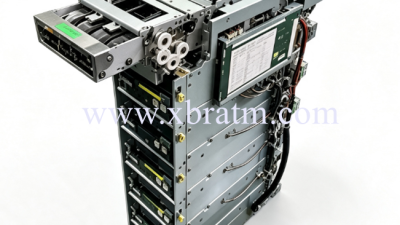
When selecting a bill dispensing cash dispenser for ATM systems, the Fujitsu F510 stands out as an exceptional choice. This comprehensive guide will delve into the features and benefits that make the F510 an ideal option for financial institutions looking to enhance their ATM capabilities. First and foremost, the F510 offers high reliability and efficiency. Its robust design ensures long-lasting performance, significantly reducing the risk of downtime and maintenance costs, which is crucial for operators managing multiple ATMs.
In addition to reliability, the Fujitsu F510 supports various banknotes with different denominations, providing flexibility for cash dispensing. This adaptability is particularly beneficial for ATMs located in areas with diverse cash withdrawal needs. The dispenser’s user-friendly interface streamlines operations for both clients and service providers, facilitating swift transactions and minimizing the potential for errors.
Moreover, integrating the F510 into existing ATM systems is straightforward, thanks to its compatibility with a variety of cash management systems. This ease of integration allows institutions to upgrade their services without the need for extensive system overhauls. Overall, the Fujitsu F510 bill dispensing cash dispenser enhances transaction efficiency, reliability, and user satisfaction, making it a worthy investment for any ATM system.
FAQS
: Bill counters help streamline cash operations and ensure cash accuracy, reducing human error and saving time.
Bill counters can improve processing speed by up to 300%, allowing cashiers to serve customers faster.
Regular maintenance includes cleaning dust and debris, as they can affect the machine's performance.
Proper training reduces errors significantly, as poorly trained staff can increase counting errors by up to 15%.
Look for high-speed counting, counterfeit detection, and user-friendly interfaces for better operational efficiency.
Dust, humidity, and temperature can cause count errors, so monitoring the environment is essential.
Consider speed versus accuracy, as some machines may be faster but less precise than others.
A confusing user interface can lead to mistakes, so clear displays and documentation are essential for user confidence.
Many businesses neglect regular maintenance, which can lead to operational inefficiencies and counting errors.
Not all machines excel in every aspect, so aligning features with your cash handling requirements is crucial.
Conclusion
In 2026, Bill Counters play a crucial role in ensuring accurate cash handling for businesses and individuals alike. This article outlines the significance of selecting the right Bill Counter, highlighting key features such as speed, accuracy, and counterfeit detection capabilities. Readers will find top recommendations, a comparative analysis of different counting technologies, and insights into factors that influence accuracy.
Moreover, maintenance tips are provided to optimize the performance of these devices, ensuring longevity and reliability in everyday operations. Customer reviews and expert opinions further enrich the discussion, helping users make informed decisions when investing in Bill Counters for their cash management needs.