Deciding on the best Self ATM Machine for 2026—especially if you're a global buyer—can't just be about comparing screen sizes, cabinet looks, or the price tag. Honestly, you need to look at whether it can handle secure cash withdrawals, support remote monitoring, offer multilingual options, and meet regional payment standards. Plus, it should fit nicely into your location—whether it's a busy airport corridor or a quiet rural branch. According to the World Bank’s Global Findex 2021 report, about 76% of adults worldwide have a financial account, leaving around 1.4 billion folks still unbanked. That’s why accessible cash infrastructure still really matters. Cash isn’t going away anytime soon, no matter how much digital payment buzz there is.
Now, I get it—payment habits are definitely shifting, but cash isn’t disappearing overnight. The European Central Bank’s SPACE 2024 study shows that cash still made up roughly 52% of point-of-sale transactions across the euro area in 2024. Meanwhile, companies like RBR Data Services keep tabs on sizable ATM networks worldwide, whether in developed markets or emerging ones. So, it’s clear—buyers need to look at things like availability, uptime, security, and after-sales support all together. Don’t be fooled into thinking a cheap machine is a bargain; it could end up costing more if spare parts take forever to arrive or if software updates are a total pain to figure out. That’s a lesson that’s easy to overlook.
In this guide, I’ve covered some of the top Self ATM Machines out there, based on what really matters to buyers. Think about things like whether they’re EMV compatible, have good security measures (like PCI standards), can handle enough cash, are energy-efficient, accessible, and what their total ownership costs might look like. You should also consider the manufacturer’s experience, certifications, installation support, and local maintenance options. Keep in mind—no single ranking is perfect. Market conditions vary, so always double-check all specs directly with the manufacturer and your local banking partners before making a decision. Remember, a solid machine isn’t just about looking modern—it needs to perform reliably at 2 a.m., flag faults clearly, and keep your customers safe during their transactions.
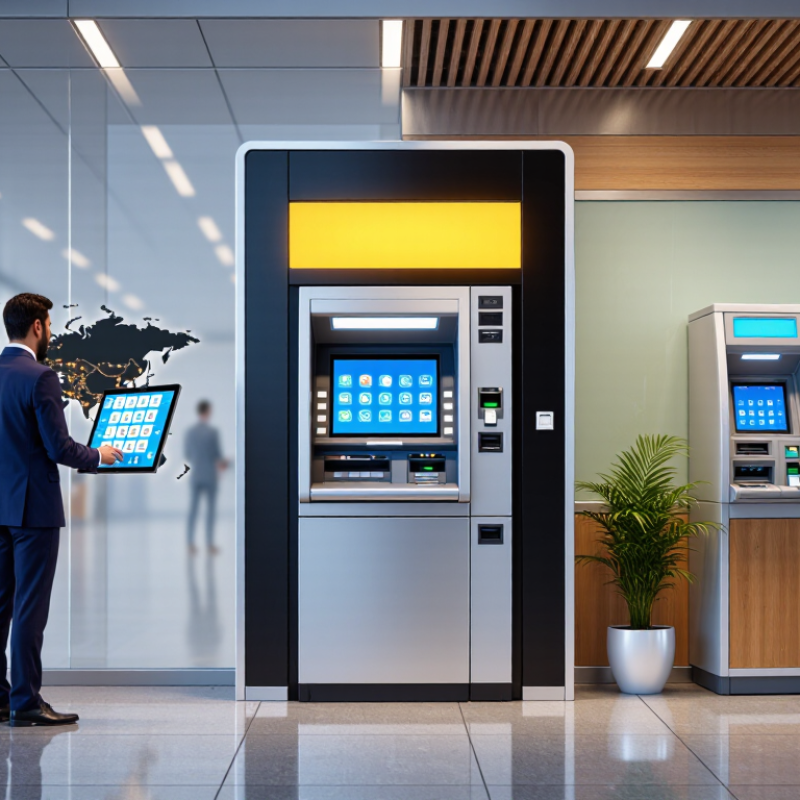
What Is a Self-Service ATM Machine?
2026 Best Self ATM Machine for Global Buyers
What Is a Self-Service ATM Machine?
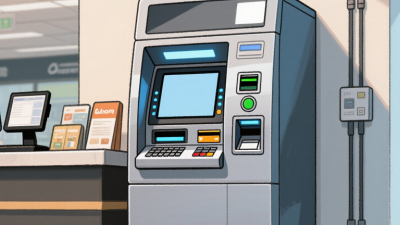
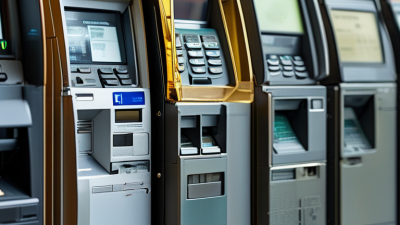
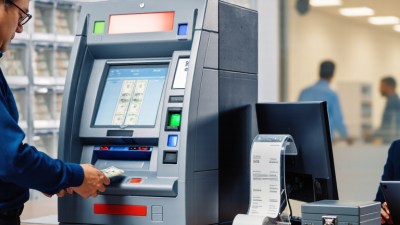
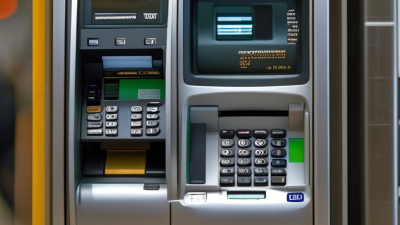
A self-service ATM machine is an electronic kiosk that lets users access cash without teller assistance. It usually supports cash withdrawals, balance checks, deposits, and transaction receipts. Inside, a secure vault stores banknotes, while sensors verify note quality and detect possible errors. A screen, card reader, keypad, and receipt printer guide each transaction.
Its value remains practical. The World Bank’s Global Findex 2021 reported that 76% of adults worldwide held a financial account. Yet digital access does not remove the need for physical cash. The European Central Bank’s SPACE 2024 study found that cash represented 52% of point-of-sale payments in the euro area. The Federal Reserve’s 2024 Diary also recorded cash at 16% of U.S. consumer payments in 2023.
Location matters greatly. A machine beside a supermarket may need frequent replenishment, while one in a remote area may require stronger connectivity and larger cash capacity. Buyers should examine encryption, remote monitoring, accessibility, receipt privacy, emergency shutdowns, and local certification requirements. Compliance is not a decorative feature.
Real installation experience teaches a difficult lesson: the cheapest machine can become expensive when downtime, service visits, and rejected banknotes increase. Still, equipment specifications never predict every local problem. Humidity, unstable power, poor lighting, and user habits can change performance. That uncertainty deserves honest testing before a large deployment.
How Self-Service ATM Machines Work
2026 Best Self ATM Machine for Global Buyers
A self-service ATM machine connects a customer, bank account, and cash system in seconds. The user inserts a card or taps a supported device. The machine then sends encrypted transaction data through a secure network. An authorized financial host checks the account, identity, and withdrawal limits.
If approved, the dispenser selects banknotes from separate cash cassettes. Sensors check note position, quantity, and possible errors. The machine releases cash only after these checks pass. It records the transaction and usually prints a receipt. Some models also send a digital receipt through a secure channel.
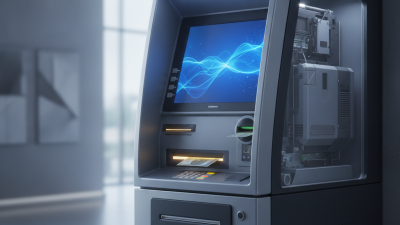
Inside the cabinet, a computer controls the screen, card reader, dispenser, printer, and alarm system. Technicians inspect these parts during installation and scheduled servicing. They also test network recovery, because a weak connection can interrupt an otherwise valid transaction. Cash levels are not always predictable. Local demand, holidays, and transport delays can change them quickly.
For global buyers, currency support is important, but it is not the only concern. Check local certification, accessibility features, power requirements, communication options, and service availability. A polished interface does not guarantee dependable operation. Some buyers underestimate maintenance time and cash replenishment planning. That mistake can make a reliable machine look ineffective in daily use.
Key Features of the Best ATM Machines in 2026
In 2026, global buyers need ATM equipment that balances security, usability, and serviceability. The best ATM machines support multilingual interfaces, clear navigation, and accessible screen controls. Contactless card readers, encrypted communication, and modern anti-skimming protection are essential features. Small details matter.
Reliable cash handling also matters. Strong cash cassettes, accurate sensors, and tamper alerts reduce operational problems. Remote monitoring can report low cash levels, paper shortages, temperature changes, and unusual activity. A modular design helps technicians replace parts quickly. Energy-efficient lighting and sleep modes can lower long-term operating costs. The term Automated Teller Machine Machine sounds repetitive, but buyers should focus on performance rather than terminology.
Tips: Check local payment standards before ordering. Test the machine in heat, humidity, dust, and unstable network conditions. Review warranty coverage, spare-part access, software updates, and technician response times. Ask for maintenance records and independent security testing. Do not judge quality from a polished demonstration alone.
A practical evaluation should include accessibility, transaction speed, receipt clarity, and emergency procedures. Buyers should also confirm compliance with applicable financial, privacy, accessibility, and electrical requirements. No machine is perfect. A faster interface may still confuse older users, while stronger security can add extra steps. That trade-off deserves honest testing before installation.
ATM Security, Compliance, and Global Standards
For global buyers, an Atm Atm Machine must be judged beyond screen size and cash capacity. Security begins with certified hardware, controlled software, and traceable maintenance. The PCI Security Standards Council’s PCI PIN Security Requirements v3.0 addresses PIN processing, key management, and secure operational controls. EMVCo standards also support chip-based payment authentication across multiple markets. These requirements reduce exposure, but certification alone does not guarantee safe deployment.
Field experience shows the weak point is often the service routine. A technician opens the upper cabinet, connects a maintenance device, and leaves access logs incomplete. That small gap can undermine strong encryption. The World Bank’s Global Findex 2021 reported that 76% of adults worldwide held a financial account, increasing the need for reliable self-service access. Buyers should request penetration-test evidence, encrypted communications, secure boot capability, camera coverage, and documented incident response.
Compliance also varies by location. Accessibility, data protection, cash handling, electrical safety, and local payment rules may differ between countries. The 2024 Data Breach Investigations Report found that human involvement remained present in most breaches, reminding operators that training matters. Technology cannot repair careless procedures. A perfect deployment is unlikely. Buyers should review firmware updates, vendor access records, spare-part controls, and audit frequency before signing a purchase agreement. Support contracts should define response times clearly, because an unavailable security update can become an operational risk.
How to Compare ATM Models, Costs, and Suppliers
Choosing the best Atm Machine in 2026 requires more than comparing screen size or purchase price. RBR Data Services reported over three million ATMs worldwide in 2023, so buyers face a crowded, uneven market. Compare cash capacity, withdrawal speed, receipt options, accessibility features, and remote monitoring. A busy retail site may need a 2,000-note cassette, while a small office could need far less. Measure actual traffic first. Guessing can be expensive.
Total cost matters more than the quotation. Include installation, shipping, cash replenishment, software updates, maintenance, transaction fees, and downtime. The Federal Reserve’s 2023 Diary found cash represented 16% of consumer payments in the United States. Demand is declining in some markets, but it remains important for daily purchases and emergencies. Supplier quality also matters. Ask for documented uptime, spare-parts availability, technician response times, warranty exclusions, and customer references from similar locations. PCI DSS compliance and encrypted communications should be verified, not merely promised.
Tips: Request a three-year total-cost estimate. Test the user interface with gloves and low light. Check whether service access requires two people. Review local certification requirements before ordering. I would also ask for failure logs from comparable installations; suppliers may resist, and that itself is useful information. The cheapest model can become the costliest after one recurring fault. Rethink the forecast every six months.
Installation, Maintenance, and Remote Management
2026 Best Self ATM Machine for Global Buyers
Installation should begin with a site survey, not a rushed delivery. Measure floor space, wall clearance, power access, lighting, and network strength. Leave enough room for technicians to open service panels safely. Global buyers should verify local voltage, weather protection, accessibility rules, and approved cash-handling procedures. An Atm Pos Machine needs stable grounding and a tested backup power source. Cable routes should stay hidden, dry, and easy to inspect. Small details matter.
Maintenance is easier when a fixed schedule meets real operating conditions. Clean the card reader, receipt outlet, screen, and cash module regularly. Check unusual noises, paper dust, loose screws, and failed transactions. Review transaction logs before replacing parts. This can prevent unnecessary service calls. Keep critical components labeled and stored in controlled conditions. A trained technician should test firmware updates before applying them widely. I once underestimated dust near an entrance; the machine worked, but service intervals became shorter.
Remote management should provide encrypted connections, role-based access, automatic alerts, and clear audit logs. Operators can monitor temperature, network status, paper levels, and error codes without opening the cabinet. Set alerts for repeated faults, not every minor event. Otherwise, teams ignore important warnings. Use separate administrator accounts and change credentials through a documented process. Remote tools are powerful, but they are not magic. Local inspections still matter, especially after storms, construction, or unexpected power interruptions.
Choosing the Right Self-Service ATM for Your Market
Choosing the Right Self-Service ATM for Your Market
A self-service ATM should match local cash habits, not only global specifications. The ECB’s 2024 SPACE study found that cash represented 52% of euro-area point-of-sale payments in 2024. In contrast, many urban markets depend heavily on cards and mobile wallets. The right machine may therefore need fewer cash functions, but stronger uptime and digital payment support.
Start with transaction volume, climate, language, and site security. A rural location may require a large cash cassette and simple instructions. A busy transport hub may need faster dispensing, contactless interaction, and stronger accessibility features. Select hardware tested against PCI PIN security requirements and EMV specifications. Check maintenance access, remote monitoring, power protection, and offline procedures. These details reduce service delays.
The World Bank’s Global Findex 2021 reported that 1.4 billion adults remained unbanked, although 76% of adults held an account. This gap shows why dependable cash access still matters. Yet, I have seen buyers overestimate demand by copying another country’s model. That approach often fails.
Tips: Compare three months of local withdrawal data before purchasing. Test the screen in direct sunlight. Ask who replaces cash cassettes. Confirm local network support. Leave space for wheelchairs. A perfect machine does not exist. Plan for faults, not just sales.
2026 Best Self ATM Machine for Global Buyers
Choosing the Right Self-Service ATM for Your Market
The chart compares the percentage of adults with an account at a financial institution or through a mobile-money service.
Higher account ownership generally indicates broader access to formal financial services, while cash availability, location,
operating costs, security requirements, and regulatory conditions should also be evaluated before selecting a self-service ATM.
Data source: World Bank Global Findex Database 2021, the latest globally comparable edition.
GRG BA-08-001 Bill Acceptor YT2.291.094: Features, Compatibility, and Replacement Guide
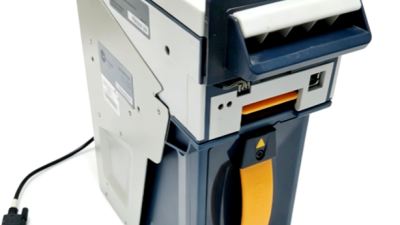
The BA-08-001 bill acceptor, identified by part number YT2.291.094, is designed for automated payment equipment that requires dependable note recognition and secure cash handling. Its core functions typically include accepting valid banknotes, rejecting unsuitable or damaged notes, and transferring accepted notes to the storage module. Before installation, operators should check the validator’s dimensions, mounting points, cable layout, communication interface, and power requirements. These details help ensure that the unit can be installed without modifying the host machine.
Compatibility should also be confirmed at the software level. The replacement validator must support the machine’s control board, currency configuration, note orientation, and firmware settings. When replacing an existing unit, power should be disconnected first, followed by removal of the interface cable and mounting hardware. The new validator can then be fitted securely, with the note path kept clear of dust, labels, and loose materials. After installation, test several permitted note denominations and confirm rejection, stacking, and error-reporting functions. If the machine does not recognize the replacement, inspect the connector arrangement and communication settings before updating configuration files or firmware. Regular cleaning of the optical sensors and transport path can help maintain reliable acceptance performance.
FAQS
It is an electronic kiosk for cash withdrawals and other basic banking services. Users operate it without teller assistance. A screen, card reader, keypad, cash vault, sensors, and receipt printer support each transaction.
Common functions include cash withdrawals, balance checks, deposits, and printed receipts. Available services depend on local banking systems. Keep instructions clear and brief.
Digital accounts are growing, but many people still use cash for daily purchases. Cash represented 52% of euro-area point-of-sale payments in 2024. Digital access does not solve every practical problem.
Study local transaction volume, security, lighting, connectivity, and cash habits. A supermarket location may need frequent replenishment. A rural site may need larger cash storage and stronger network support.
Capacity should match expected withdrawals and replenishment schedules. Busy transport sites may empty quickly. Remote locations need larger reserves. Compare three months of local withdrawal data before purchasing.
Check encryption, secure card handling, transaction monitoring, emergency shutdowns, and protected cash storage. Review applicable local certification requirements. Compliance is not decoration.
Humidity, unstable electricity, poor lighting, and dust can cause operational problems. Test the screen in direct sunlight. Add power protection where outages are common. Small environmental details matter.
Ask who refills cash cassettes and how service visits are arranged. Confirm remote monitoring and local network support. A cheap machine may become expensive during repeated downtime.
Leave enough space for wheelchair users and keep the screen easy to read. Consider height, language options, keypad visibility, and receipt privacy. Accessibility planning is sometimes overlooked.
Not completely. User habits and local conditions can change results. Test the machine before a large deployment. A perfect machine does not exist. Plan for faults, not only sales.
Conclusion
A Self Atm Machine is a self-service banking terminal that enables users to complete routine cash and account transactions with speed and convenience. This article explains how these machines operate, including user authentication, transaction processing, cash dispensing, receipt printing, and secure communication with financial systems. It also highlights the key features of the best ATM machines in 2026, such as intuitive interfaces, reliable cash handling, accessibility functions, energy efficiency, and durable construction.
The guide also examines security, regulatory compliance, data protection, and internationally recognized operating standards. Buyers will learn how to compare ATM models, total costs, supplier capabilities, installation requirements, maintenance plans, and remote monitoring tools. Finally, it explains how to select the right Self Atm Machine for different markets by considering transaction volume, local conditions, user needs, service availability, currency requirements, and long-term operational goals.