Follow us:

Leave Your Message
-
Whatsapp

-
WeChat



Discover how modern financial institutions synchronize cash validation systems with strict cryptographic standards to secure transactions and extend ATM lifecycles.
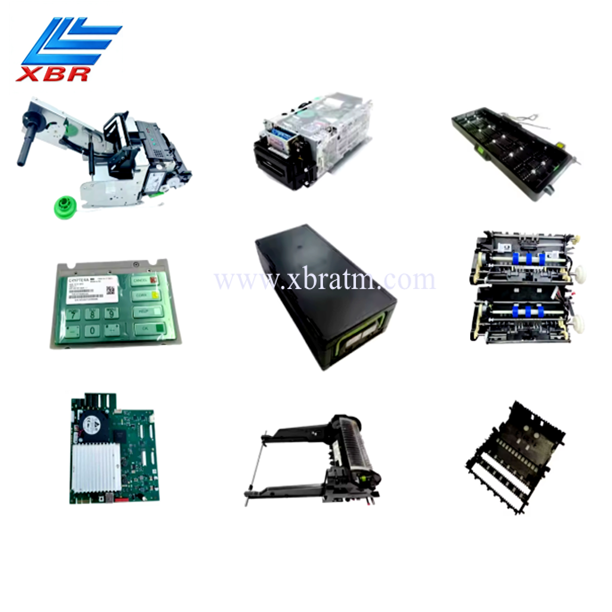
In the rapidly evolving landscape of retail banking and self-service financial terminals, security is paramount. As global standards transition to stricter payment security measures, financial institutions face the complex task of upgrading their hardware. A primary focus of these upgrades is the Encrypted PIN Pad (EPP). Implementing a PCI-compliant Encrypted PIN Pad replacement ensures that customer PINs are encrypted at the point of entry, protecting sensitive data from interception and logical attacks.
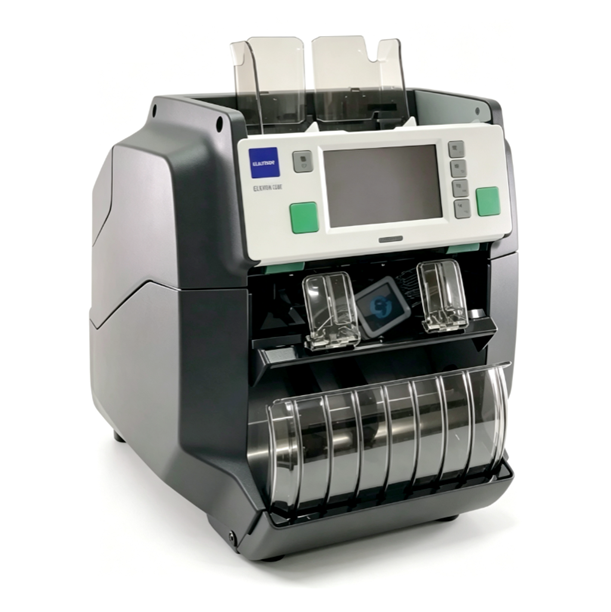
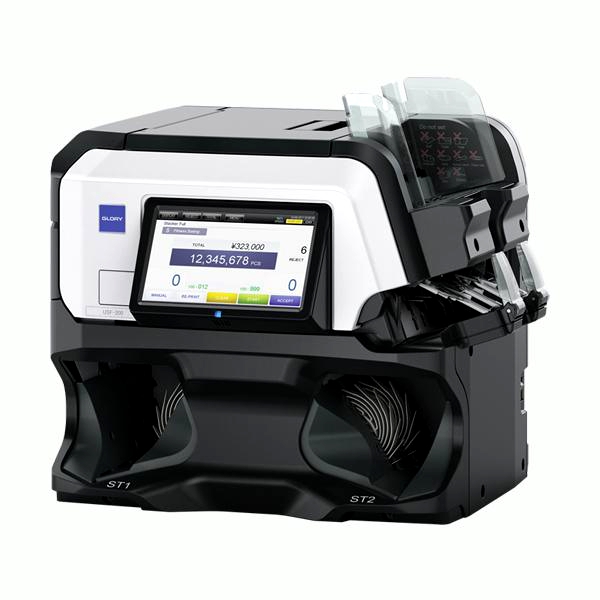
However, security does not stop at the keypad. An ATM or cash kiosk is a unified ecosystem. When updating security components like EPPs, operators must also evaluate and upgrade their physical cash handling components, such as Bill Counter Machines and banknote validators. The integration of high-performance bill counters (such as the Glory USF-200 or GFS-220) alongside PCI PTS compliant modules is crucial for creating an end-to-end secure cash handling cycle that prevents both logical data breaches and physical currency fraud.
Upgrading to a PCI-compliant EPP secures data transmission, while upgrading the bill counter/validator secures physical assets. Together, they form an impenetrable shield against logical hacking and counterfeit injection at the point of transaction.
The global banking sector operates under strict regulatory mandates. The Payment Card Industry Security Standards Council (PCI SSC) regularly updates its PIN Transaction Security (PTS) requirements. Legacy ATMs equipped with outdated EPPs must undergo hardware replacements to remain compliant. Failure to comply can result in substantial fines, increased liability for fraudulent transactions, and loss of consumer trust.
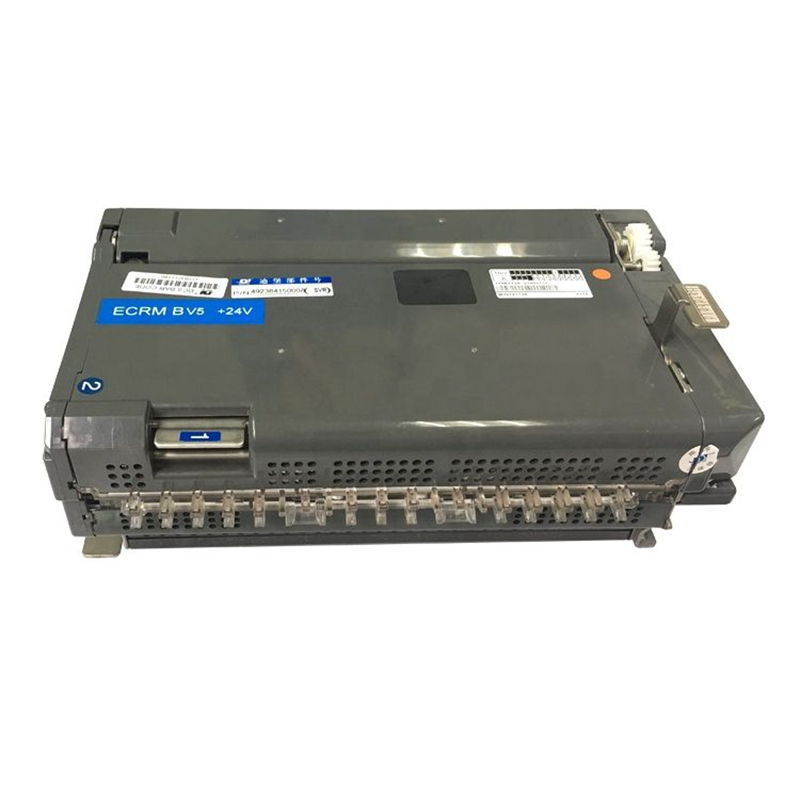
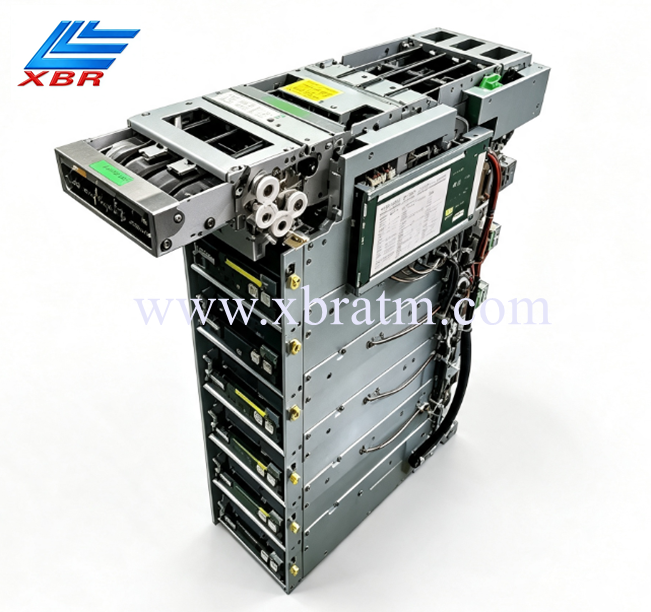
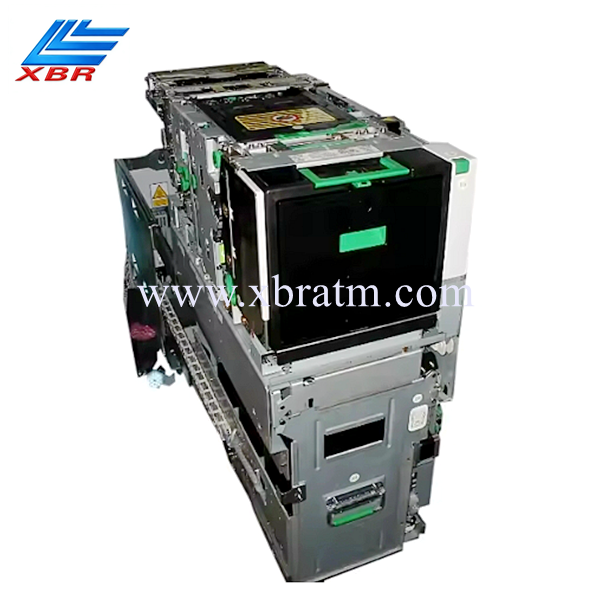
Commercially, this has triggered a massive hardware migration cycle. During these EPP replacements, financial institutions and ATM service providers realize that servicing components individually is cost-inefficient. Consequently, they opt for comprehensive system overhauls. This is where advanced bill counter modules, cash dispensers (like the Fujitsu F510), and bill recycling units (like the Fujitsu G610) come into play. Integrating reliable, high-speed sorting and validation systems during the EPP upgrade minimizes maintenance downtime and optimizes the machine's total cost of ownership (TCO).
In busy bank branches, ATMs and smart safes handle thousands of transactions daily. When these units are upgraded with PCI-compliant EPPs, they are also equipped with advanced banknote sorters like the Glory USF-200. These machines perform fitness sorting, counterfeit detection, and serial number recognition simultaneously. By linking the secure data entry from the new EPP with the detailed audit trails generated by the bill counter, banks establish a transparent, tamper-proof record for every cash deposit.
Bitcoin ATMs (BTMs) bridge physical cash with digital assets. Because BTMs deal directly with blockchain transactions, the security requirements for PIN entry and user authentication are exceptionally high. Upgrading these kiosks to PCI-compliant EPPs is a standard operational procedure. Simultaneously, these terminals rely on high-precision bill validators and recyclers to prevent double-spending attacks and note manipulation. The synchronization between the EPP's encryption processor and the bill validator's controller prevents "man-in-the-middle" logical attacks on the cash acceptor mechanism.
For CIT providers, efficiency and security during cash processing are critical. At vault intake stations, high-throughput bill counters sort and verify deposits. By implementing secure networks that mirror PCI data standards, CIT operators can securely log transaction data from encrypted entry points and match them with the exact counts from machines like the Glory GFS-220, ensuring zero discrepancy between customer deposits and physical vault inventory.
The future of self-service banking lies in the convergence of AI, IoT, and advanced cryptography. We are observing several key trends shaping the industry:

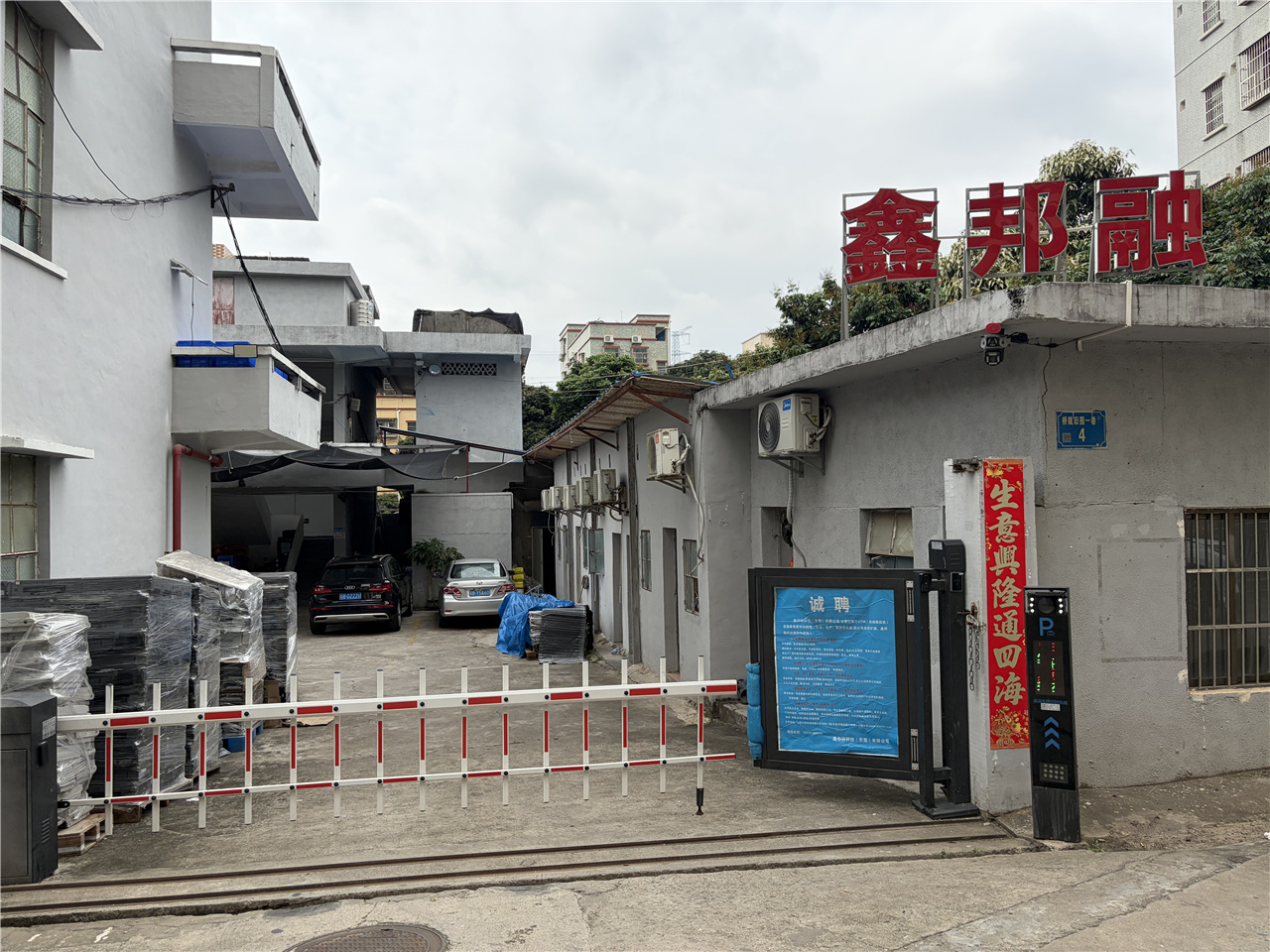
Founded in 2014, Shenzhen Xinbangrong Technology Co., Ltd. (XBR) is a dedicated supplier of ATM products. We specialize in supplying reliable ATM components for NCR, Wincor Nixdorf, Diebold, GRG, Hyosung, Hitachi, Glory, NMD, OKI, Fujitsu, and more.
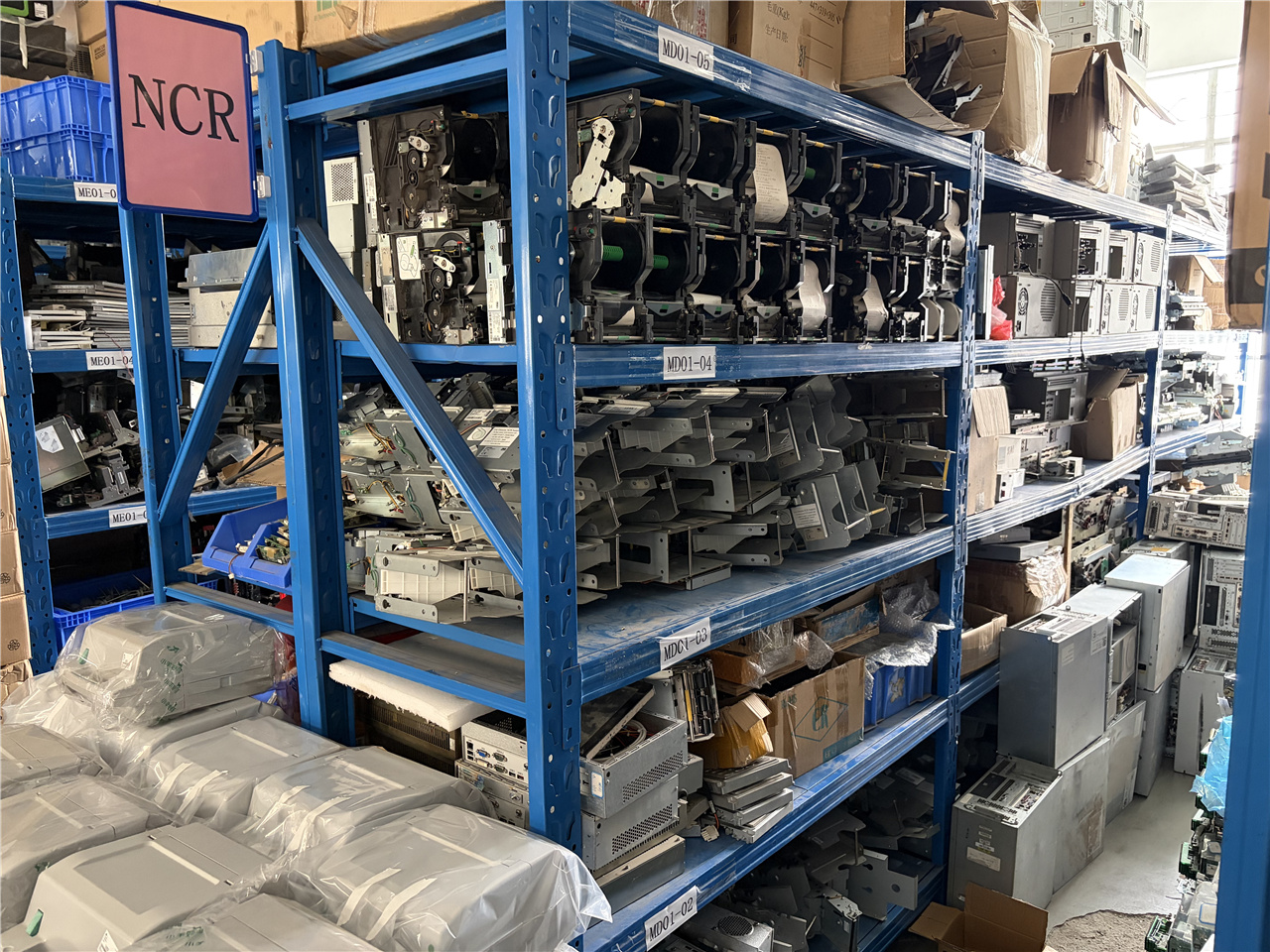
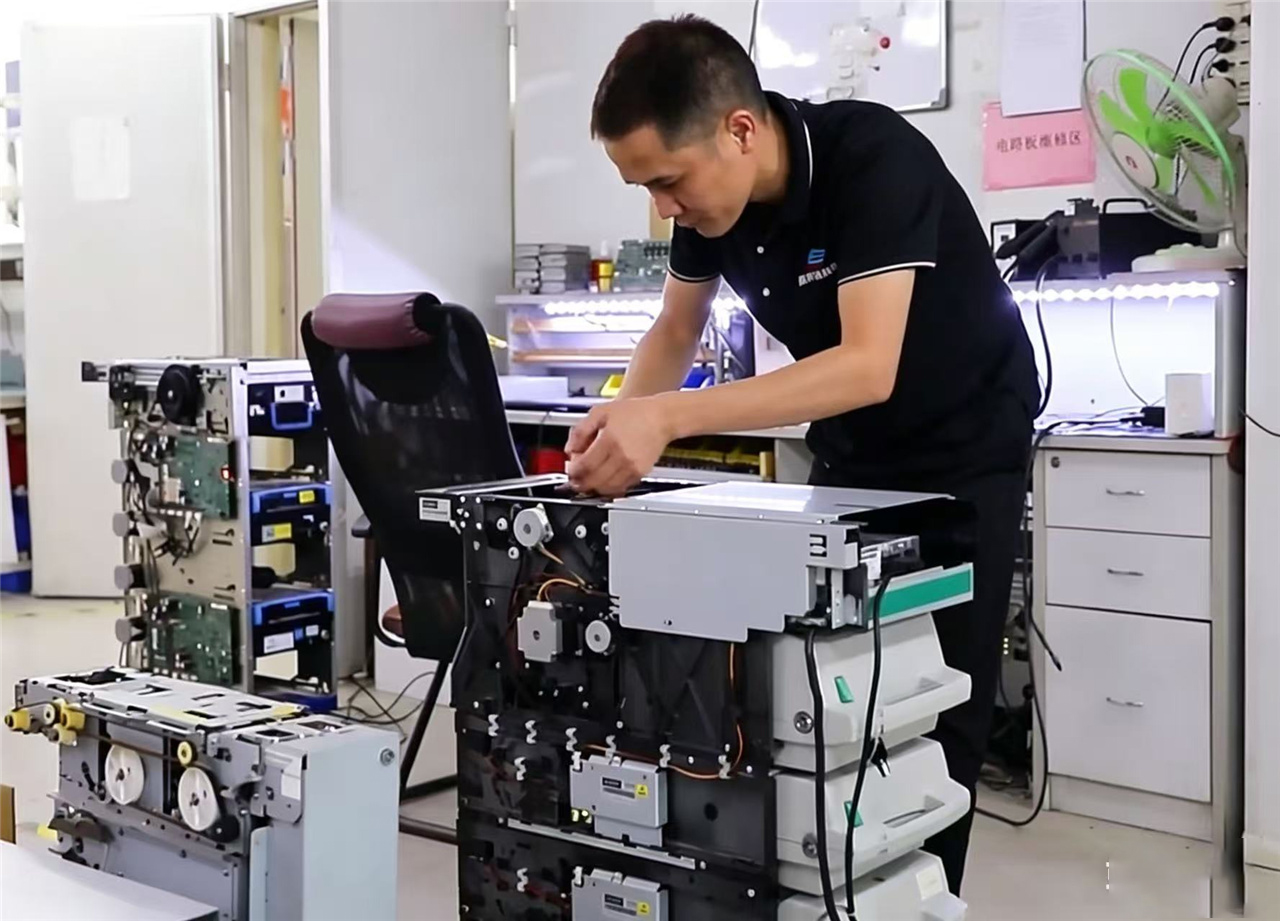
Our comprehensive product portfolio covers ATM whole machines, currency exchange kiosks, bitcoin ATMs, bill acceptors, cash dispensers, ATM modules, and various related spare parts. To meet diverse customer needs, we offer flexible supply options: original new, refurbished, generic new, and used components quality supported by our professional technical engineering team for stable quality, strict professional testing, module refurbishment, and customized solutions.

Customized ATM parts according to the drawings, samples, or other technical requirements.
Replace all old parts to make them work properly and clean modules to make them look like new.
100% inspection and testing before shipment to ensure all parts meet customer requirements.
Quick response and professional quotation within 24 hours.
Most of samples (small spare parts) are free for testing before mass order.
Most of the products are available in stock, lead time within 3-7days.
Multiple shipping methods (express, air, sea) to meet your different delivery time and budget needs.
Technical support and warranty service to ensure long-term cooperation with every customer.
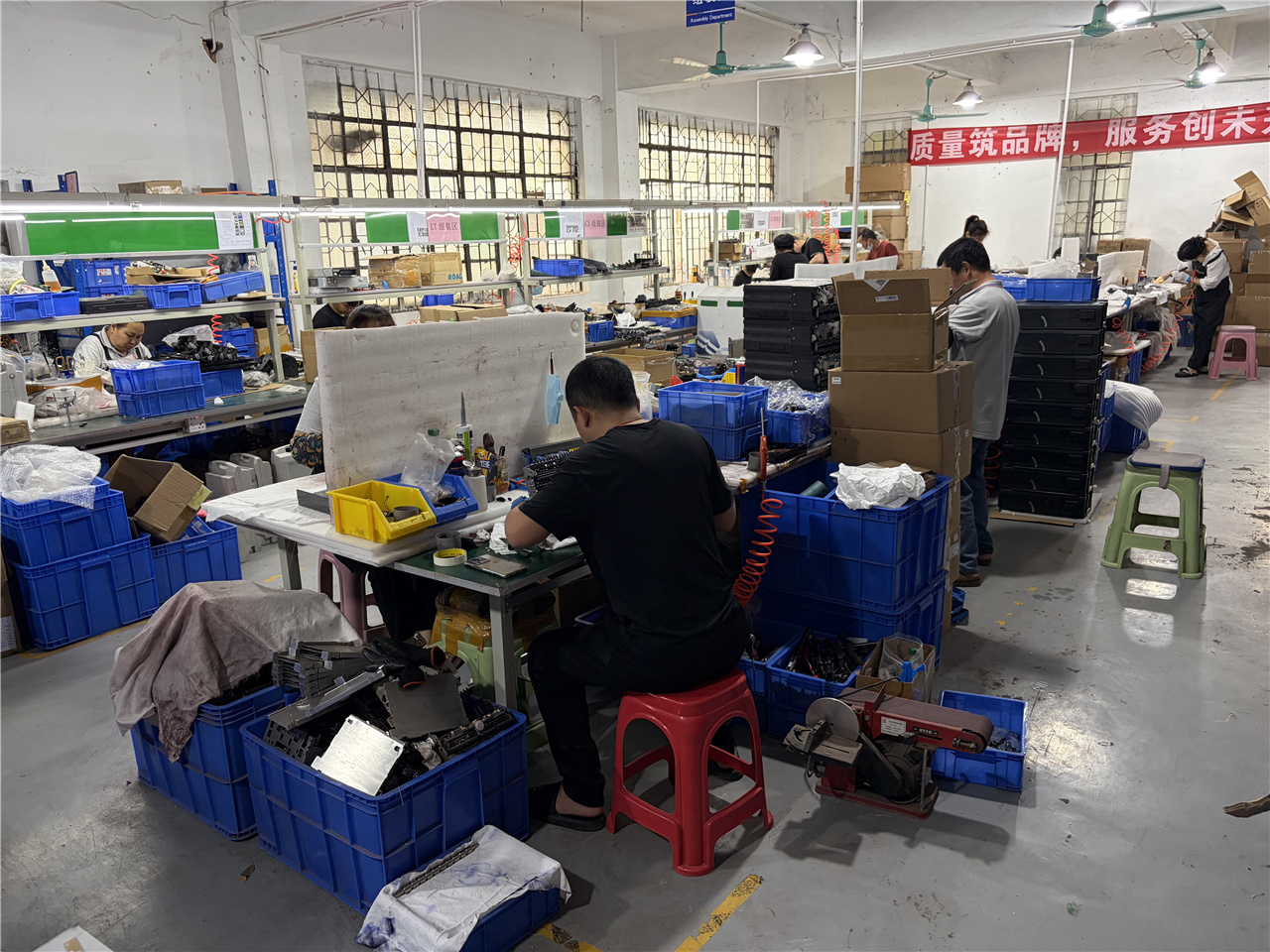
We further expanded our production capacity and officially relocated our production base to Dongguan. This strategic move has significantly upgraded our service capabilities, enabling faster delivery speed, a larger inventory scale (with over 3,000 product items in stock), and higher manufacturing efficiency. Currently, we have a professional team of over 50 employees, who are dedicated to providing high-quality services for every customer.