Follow us:

Leave Your Message
-
Whatsapp

-
WeChat



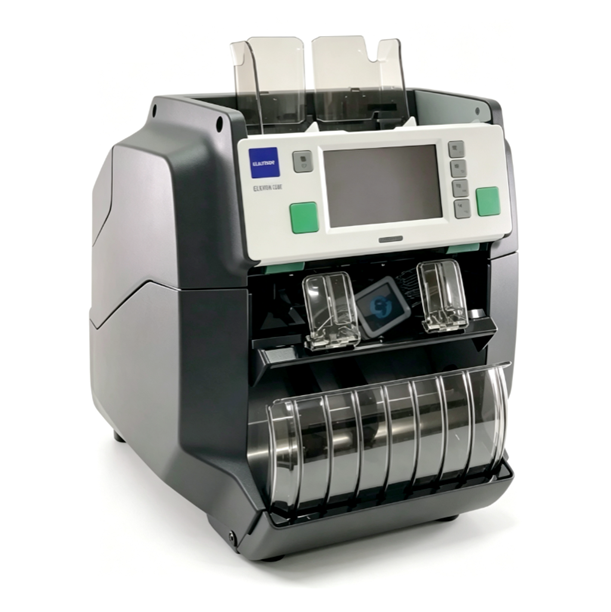
Engineered to seamlessly retrofit into installed ATM architectures, these high-grade validation units and bill counter modules integrate physical shutter shielding and optical anti-skimming detection sensors.
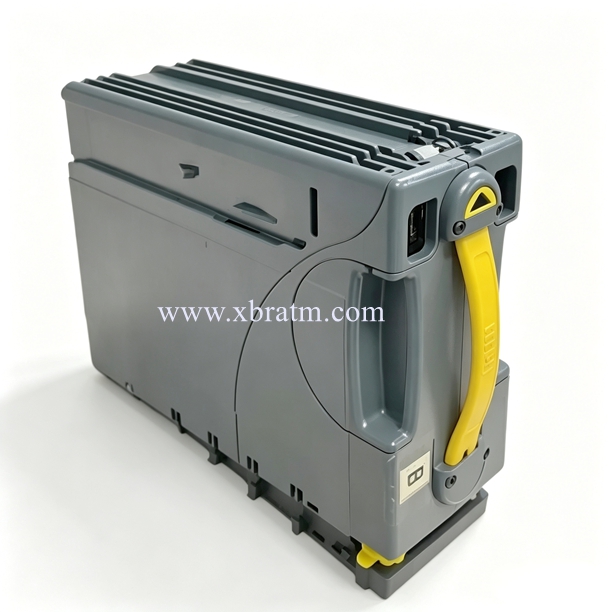
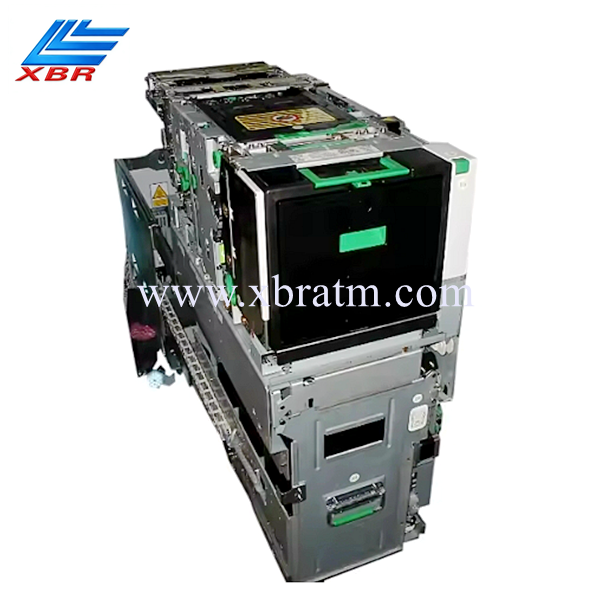
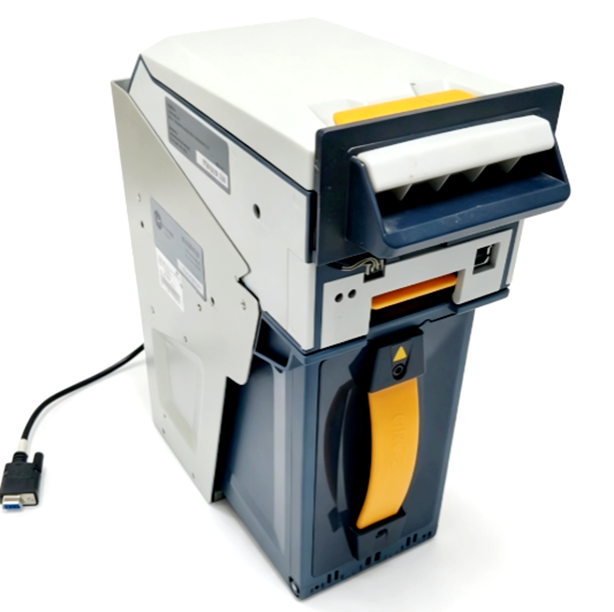
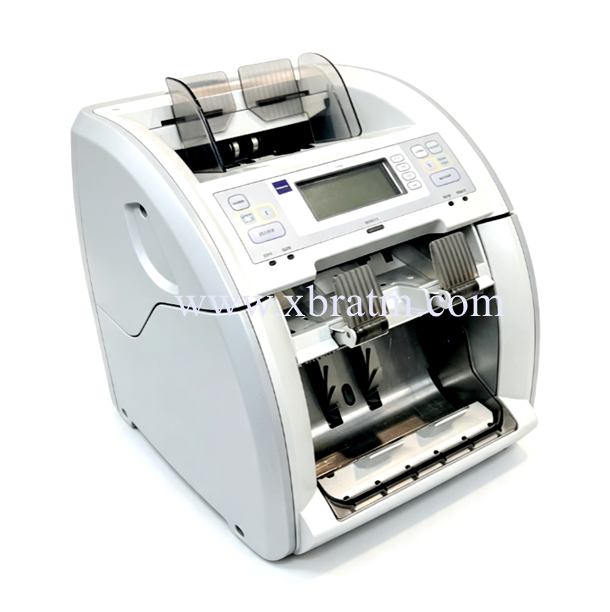
Across modern retail banking and autonomous cash operations, Automated Teller Machines (ATMs) and Cash Recycling Systems (CRMs) remain the primary touchpoints for physical currency distribution. However, the operational risks facing self-service financial terminals have drastically evolved. Criminal syndicates no longer rely solely on primitive external card overlay skimmers. Today’s threat landscape encompasses deep-insert skimming (DIS), magnetic read-head eavesdropping, transaction reversal fraud (TRF), cash claw traps, and sophisticated optical tampering within the currency transport pathway.
Upgrading security on existing ATM fleets presents a distinct engineering challenge: complete kiosk replacement requires astronomical capital expenditures, extensive municipal permitting, and prolonged terminal downtime. Consequently, leading retail banks, independent ATM deployers (IADs), and cash-in-transit (CIT) management corporations are pivoting toward modular modernization. By integrating advanced automatic bill counter mechanisms and intelligent currency validators directly with anti-skimming hardware suites, financial operators achieve defense-in-depth protection without replacing structural chassis or core safe enclosures.
Interlocking magnetic shield bezels and dynamic jitter mechanisms prevent foreign reader insertion into the card reader throat while synchronizing with the bill counter transport channel.
Dual-head CIS sensors scan full-surface optical infrared, UV, and magnetic ink signatures on every banknote at 1,200 notes per minute, eliminating high-grade super-notes and trapped bills.
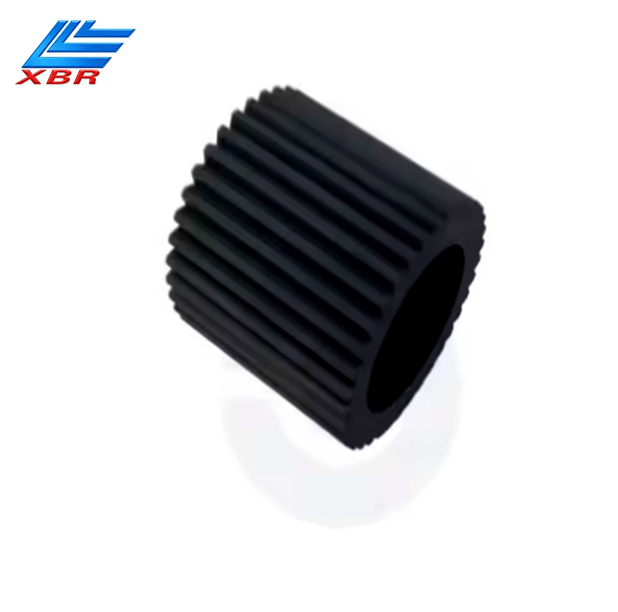
Precision passway rollers and bidirectional anti-pull back mechanics stop mechanical fishing devices and illegal shutter holding during cash payout cycles.
Historically, the cash dispensing mechanism and the card reader / anti-skimming sub-assemblies operated as isolated hardware silos within the ATM enclosure. The card reader handled user authentication via magnetic stripe or EMV chip reading, while the bill counter and dispenser managed cash movement. Modern financial crime exploits this disconnect: criminals use fraudulent cards or cloned magstripes while physically manipulating the cash shutter or deposit slot with micro-hook probes.
Modernizing existing ATMs requires establishing a unified hardware telemetry layer between the automated bill counter module and the peripheral anti-skimming defense arrays. When an active anti-skimming device—such as a jamming-signal emitter, capacitive proximity sensor, or bezel tilt detector—senses unauthorized magnetic field fluctuations or physical bezel pressure, it immediately interfaces with the bill counter controller. This triggers a fail-secure protocol:
| Functional Architecture | Legacy Standard Bill Counters | Security-Upgraded Anti-Skimming Counters | Operational Impact on ATM Security |
|---|---|---|---|
| Authentication Sensor Array | Single-wavelength optical LED + Basic IR transmission | Dual CIS Contact Image Sensors, Multi-spectrum IR, UV, Magnetic Ink (MG), Thread Barcode | Identifies advanced counterfeit notes (Super Dollars) & tampered bills instantly |
| Transport Channel Defense | Basic passive diverter gate; unilateral belt rollers | High-torque bidirectional passway rollers, optical anti-pull back teeth, physical anti-fish gating | Completely blocks cash-trapping claws, plastic ribbons, and transaction reversal fishing |
| Anti-Skimming Bezel Synchronization | None (Independent sub-system with no interlock) | Direct UART/USB encrypted bus linking bezel proximity sensors with dispenser shutter | Halts dispensing if physical tampering or wireless sniffing is detected at the card fascia |
| Counting & OCR Speed | 600–800 notes/min; simple tally count | 1,000–1,200 notes/min; full high-definition OCR capture of banknote serial numbers | Reduces transaction exposure window by 40%; provides forensic banking compliance logs |
| Firmware & Communication Protocol | Legacy CEN/XFS 3.0 basic cash command set | CEN/XFS 3.30+ with end-to-end AES-256 encrypted hardware authentication and firmware signatures | Prevents man-in-the-middle "black box" jackpotting attacks against the dispenser |
Upgrading existing ATM units with state-of-the-art automatic bill counters and anti-skimming protection is not a one-size-fits-all process. Different operational environments face vastly disparate attack vectors, requiring specialized hardware configurations.
Stand-alone ATMs positioned in transit stations, highway service stops, and unattended shopping centers represent the primary targets for skimming and mechanical cash trapping. These machines operate for days without direct CIT personnel oversight. By retrofitting with high-capacity cassettes (such as the MEI 1200 Note Cash Box) combined with reinforced bill validator modules like the GRG BA-08-001 or Glory GFS-120S, operators introduce high-durability rollers (Fujitsu KD02881-Y544 class) capable of withstanding heavy dust and continuous vibration. Integrated anti-skimming bezel monitors actively suppress skimming transmitters while the bill counter ensures zero jams even with worn or folded multi-currency circulation.
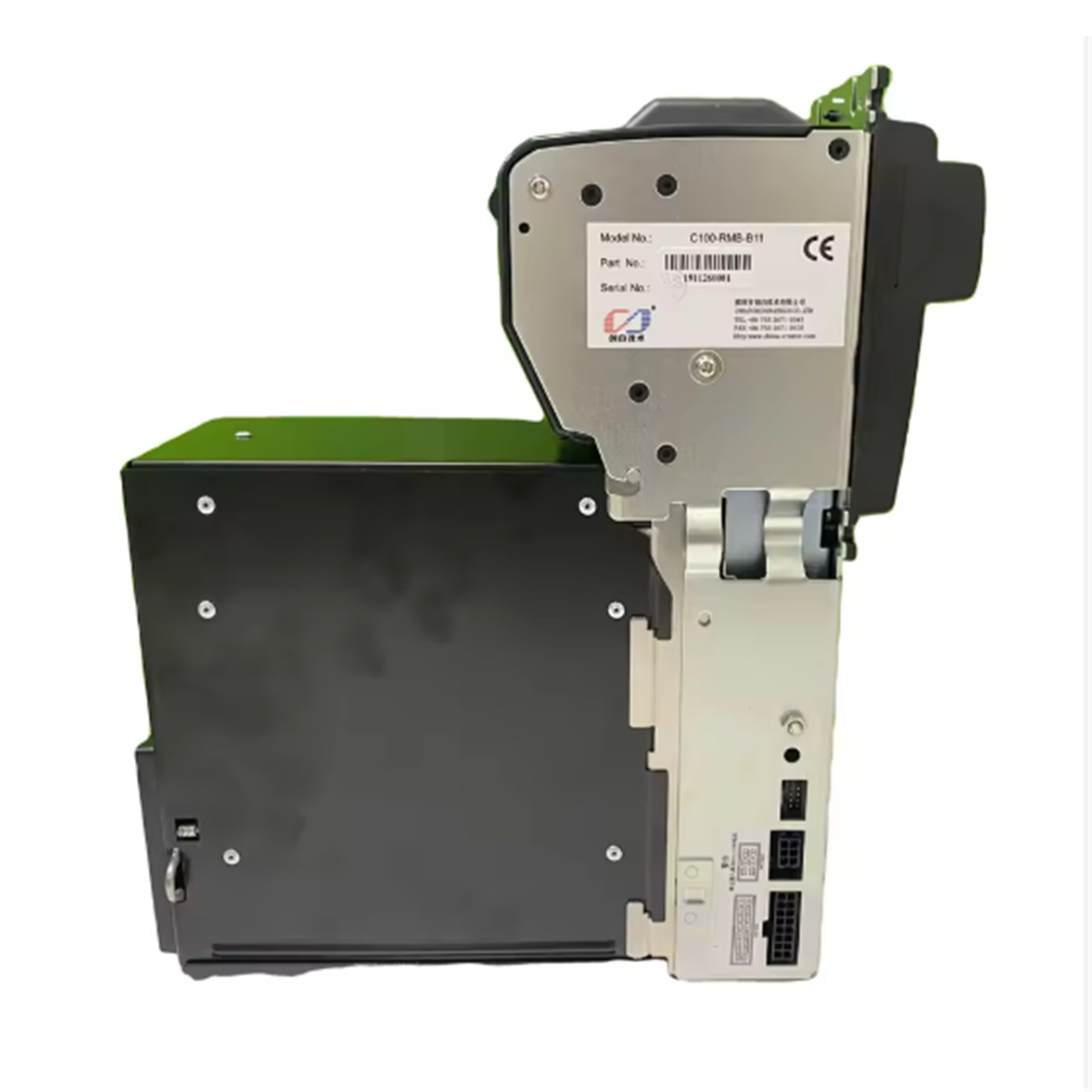
In modern cash recycling configurations, notes deposited by one customer are validated, sorted, stored, and subsequently dispensed to the next user. Here, the risk of a combined attack is exceptionally high: a criminal may deposit a counterfeit note or a mechanically altered note with an extraction thread while simultaneously deploying a miniature pinhole camera and deep-insert skimmer on the card reader. Utilizing advanced recycling assemblies like the Fujitsu G610 Bill Recycling Unit provides closed-loop security. The module's internal bill counter isolates unverified banknotes into an internal escort pocket, verifies magnetic thread continuity, logs the depositor's authenticated account, and locks down the dispenser mechanism if physical card tampering is registered on the fascia.
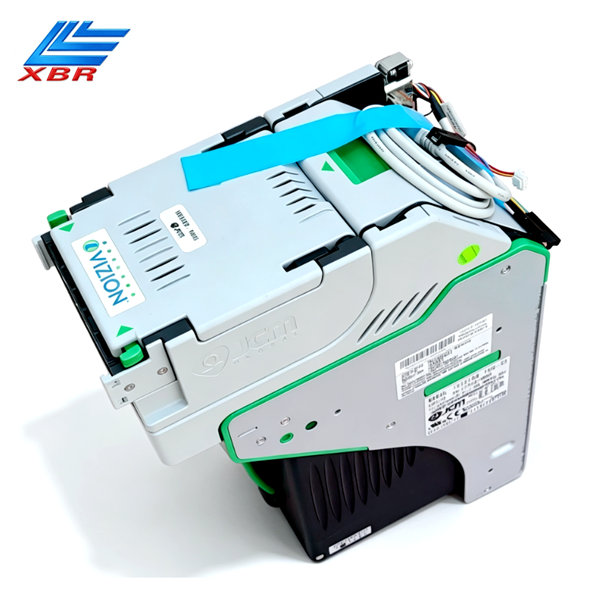
Currency exchange kiosks in international transport hubs handle diverse fiat currencies with distinct banknote dimensions, paper weights, polymer substrates, and security threads. Foreign exchange ATMs are uniquely vulnerable to counterfeit note feeding accompanied by spoofed card skimmers. Deploying intelligent sorting and counting modules—such as the Glory GFS-220 Banknote Counter and Sorter or the JCM IVIZION-100-SS Bill Validator—enables instantaneous multi-currency denomination recognition, spectral reflectance checking, and automatic rejection of notes showing physical tape splices or chemical wash alterations.
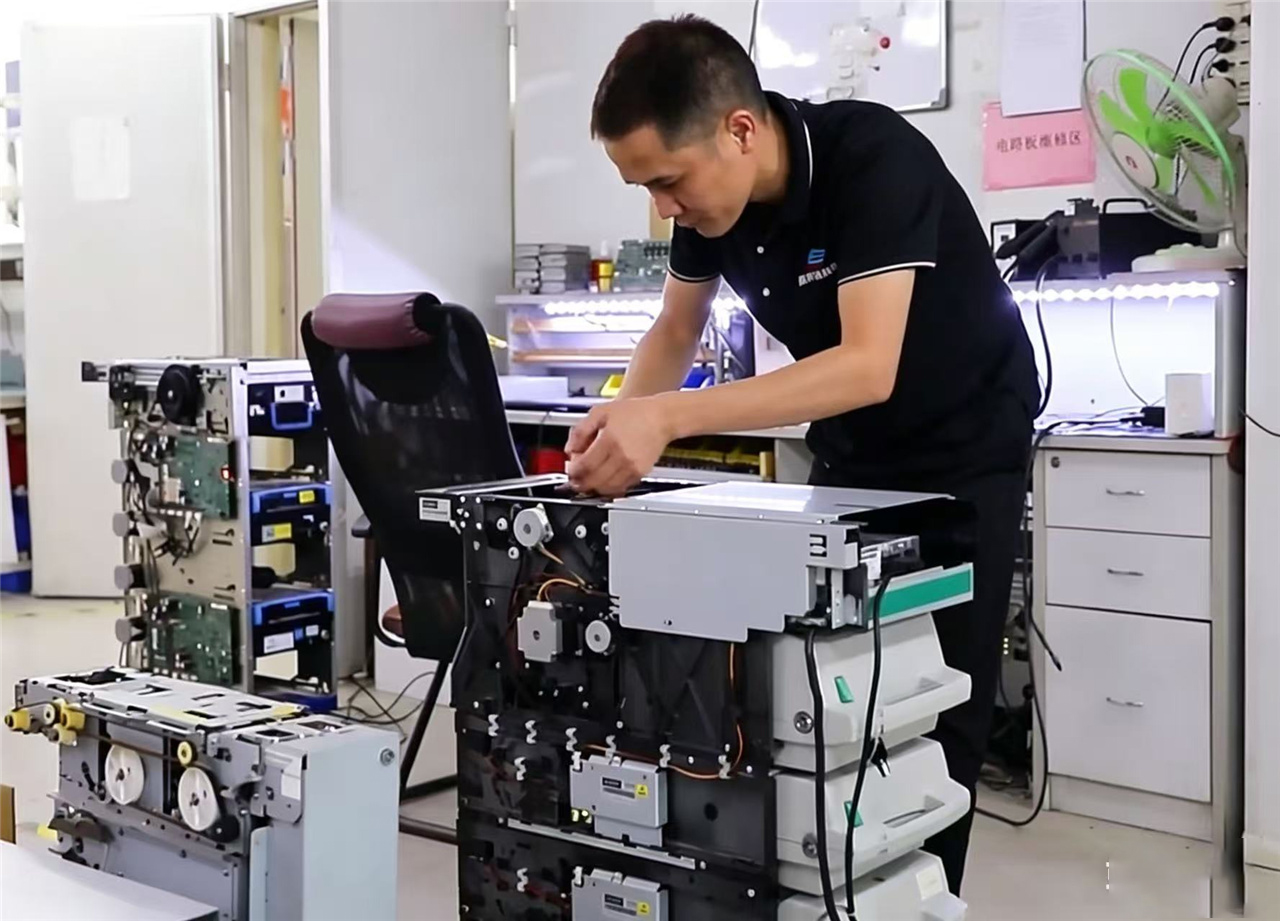
Refurbishing and upgrading fielded NCR, Wincor Nixdorf, Diebold, Hyosung, or GRG terminals follows a rigorous physical and digital commissioning methodology to ensure maximum Mean Time Between Failures (MTBF) and zero service degradation:
Modern cash-out fraud attacks coordinate card credential capture with physical cash manipulation. A synchronized automatic bill counter locks transport shutters and returns currency if skimming or bezel tampering is detected, preventing cash trapping and TRF loss.
Yes. When professionally refurbished with 100% genuine replacement rollers, new optical sensor arrays, and updated factory firmware, refurbished units meet identical MTBF reliability and counterfeit rejection rates as original new modules at a fraction of the cost.
Dual CIS sensors capture simultaneous front-and-back high-resolution images in visible light, infrared transmission, and IR reflectance. Combined with magnetic ink profiling, it detects minute printing discrepancies, counterfeit paper luminescence, and tape splices.
Degraded passway rollers, worn belt tensioners, and dust-covered optical gate sensors are the primary culprits. Upgrading to high-durability rollers (such as KD02881-Y544) and precision bill counters restores clean sheet separation and smooth continuous feed.

Founded in 2014, Shenzhen Xinbangrong Technology Co., Ltd.(XBR) is a dedicated supplier of ATM products. We specialize in supplying reliable atm components for NCR, Wincor Nixdorf, Diebold, GRG, Hyosung, Hitachi, Glory, NMD, OKI, Fujitsu,etc.
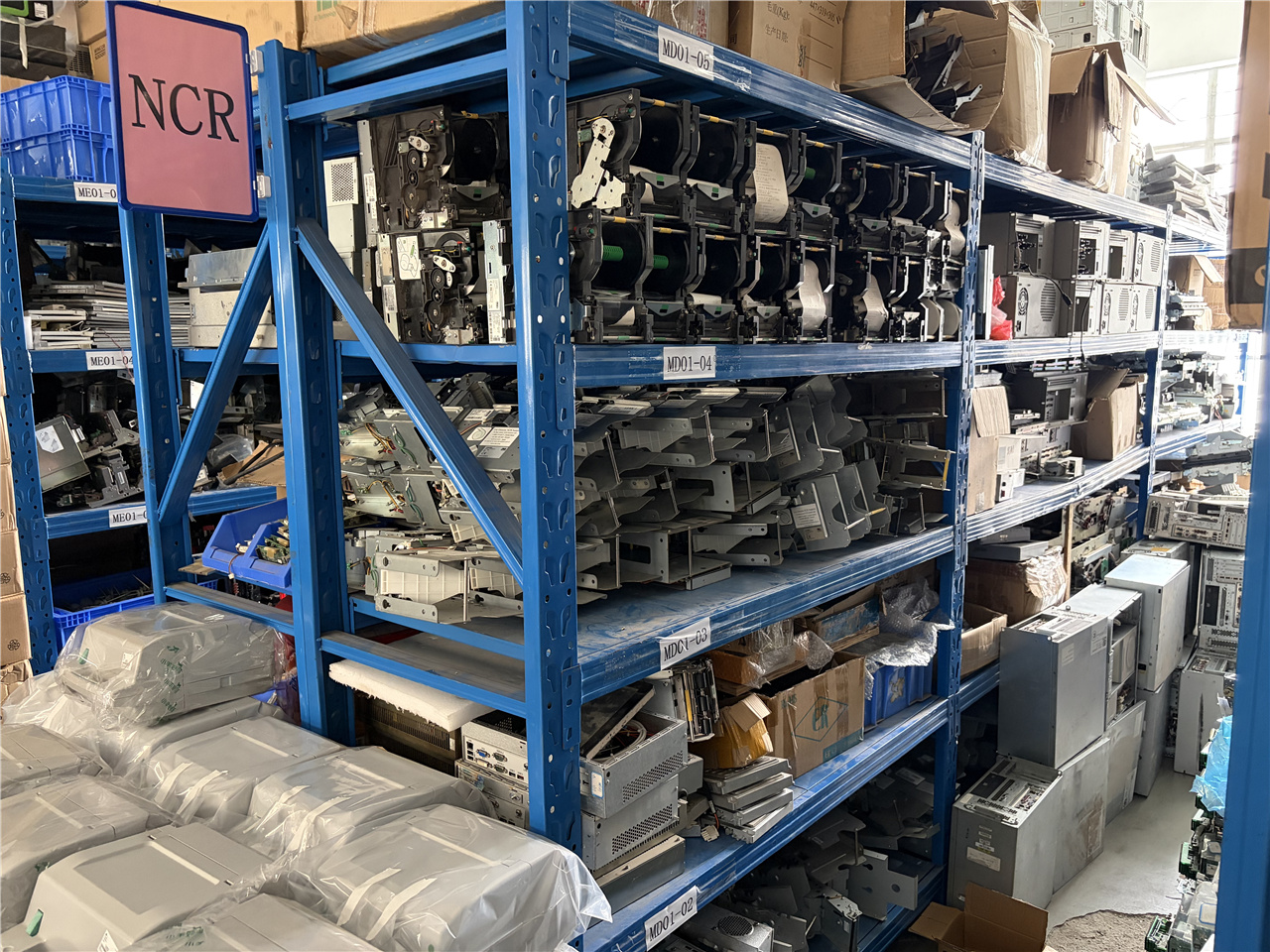
Our comprehensive product portfolio covers ATM whole machines, currency exchange kiosks, bitcoin ATMs, bill acceptors, cash dispensers, ATM modules, and various related spare parts. To meet diverse customer needs, we offer flexible supply options: original new, refurbished, generic new, and used components quality supported by our professional technical engineering team for stable quality, strict professional testing, module refurbishment, and customized solutions.

End-to-end manufacturing, custom engineering, component refurbishment, and comprehensive lifecycle support for ATM fleets worldwide.
Customized atm parts according to the drawings, samples, or other technical requirements.
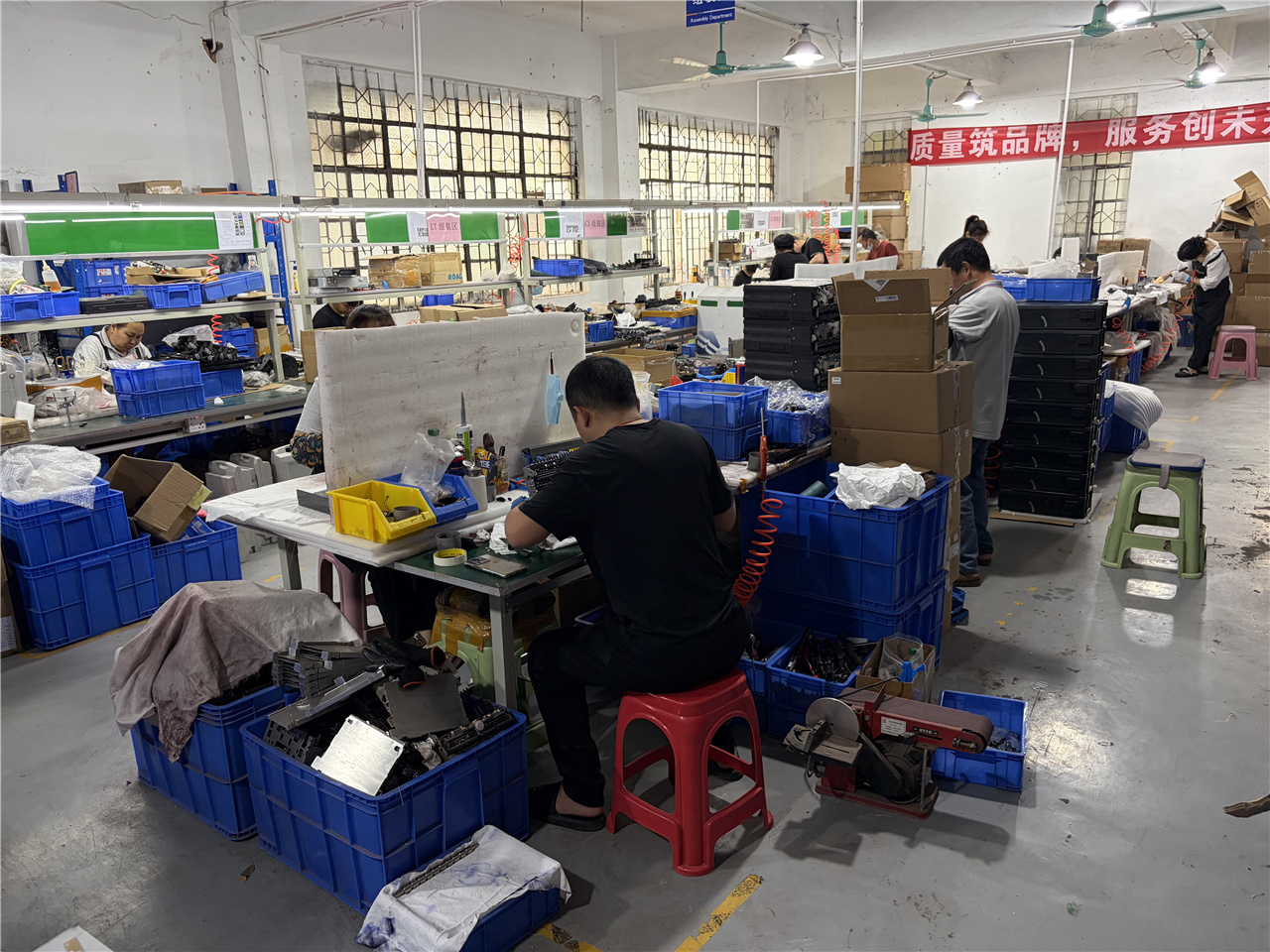
Replace all old parts to make them work properly and clean modules to make them look like new.
100% inspection and testing before shipment to ensure all parts meet customer requirements.
Quick response and professional quotation within 24 hours.
Most of samples (small spare parts) are free for testing before mass order.
Most of the products are available in stock, lead time within 3-7days.
Multiple shipping methods (express, air, sea) to meet your different delivery time and budget needs.
Technical support and warranty service to ensure long-term cooperation with every customer.
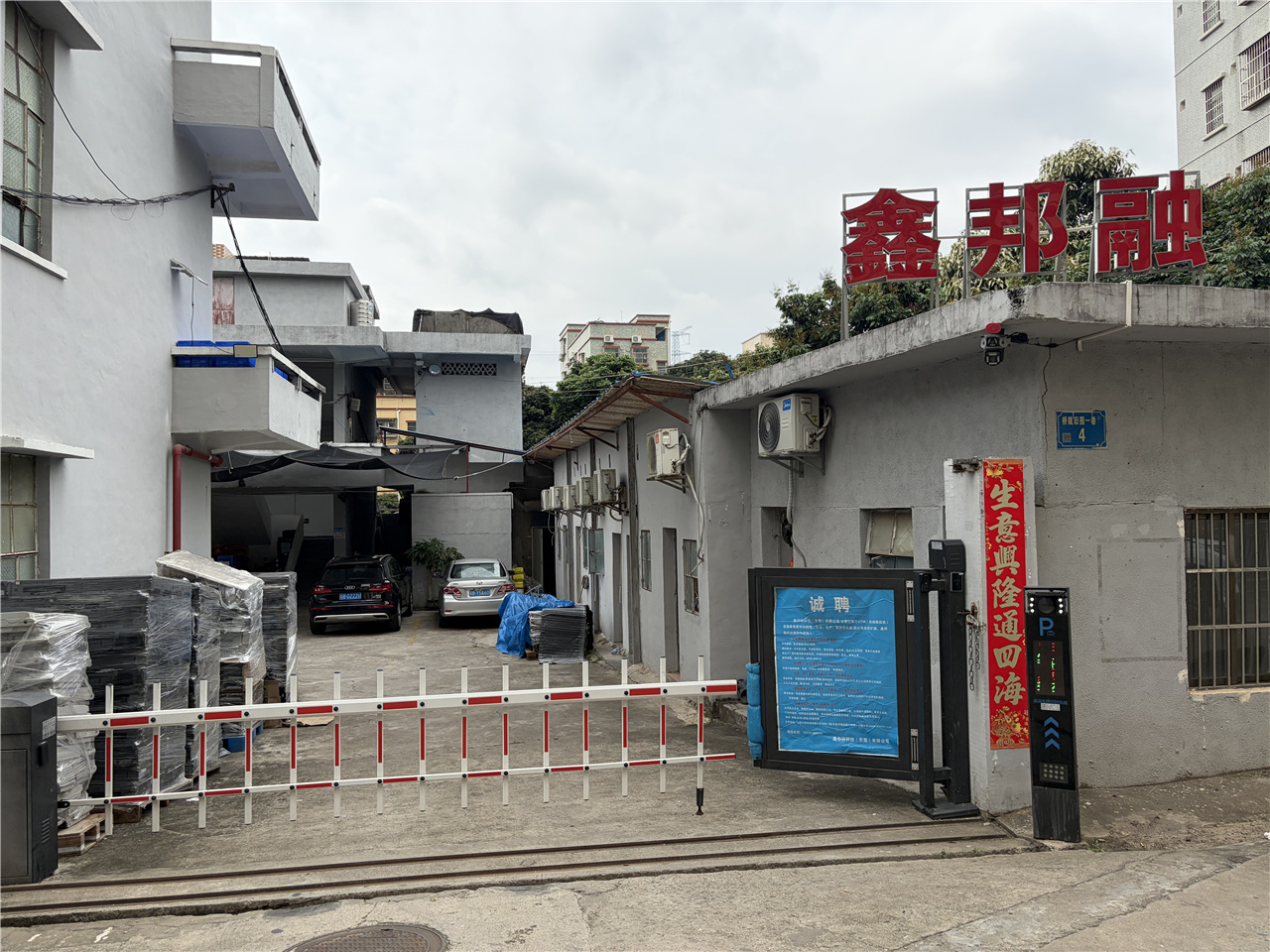
We further expanded our production capacity and officially relocated our production base to Dongguan. This strategic move has significantly upgraded our service capabilities, enabling faster delivery speed, a larger inventory scale (with over 3,000 product items in stock), and higher manufacturing efficiency. Currently, we have a professional team of over 50 employees, who are dedicated to providing high-quality services for every customer.
Browse our full series of certified bill validation, cash box, and transport mechanisms designed for anti-tamper ATM modernizations.