Follow us:

Leave Your Message
-
Whatsapp

-
WeChat



In the modern digital banking landscape, cash remains an indispensable transaction medium globally. ATMs, self-service kiosks, and cash recycling systems (CRS) form the backbone of retail banking operations. An automatic bill counter for financial terminal maintenance and hardware upgrades is not merely a utility; it is a critical system component that ensures operational continuity, minimizes transaction errors, and secures financial institutions against counterfeit threats.
As cash handling technologies evolve, the hardware within financial terminals must undergo systematic upgrades. ATMs and kiosks process thousands of banknotes daily. Over time, the internal mechanics—specifically the bill validator modules, feed rollers, transport belts, and optical sensors—experience physical wear and tear. Without timely maintenance and high-quality hardware upgrades, terminal downtime increases, leading to customer dissatisfaction and escalating operational costs.
Upgrading financial terminals with state-of-the-art automatic bill counters and validator modules ensures compliance with updated central bank security features. Newer modules offer multi-wavelength infrared scanning, magnetic thread analysis, and high-resolution optical image recognition to combat sophisticated counterfeit attempts.


The financial self-service industry is undergoing a transition towards Cash Recycling Systems (CRS). Traditional ATMs that only dispense cash are being replaced by smart terminals that accept, validate, clean, count, and re-dispense banknotes. This circular cash flow requires exceptionally high levels of precision. An automatic bill counter module integrated within a CRS must evaluate the quality of each banknote in real time, determining whether it is fit for recirculation or if it should be routed to a reject bin.
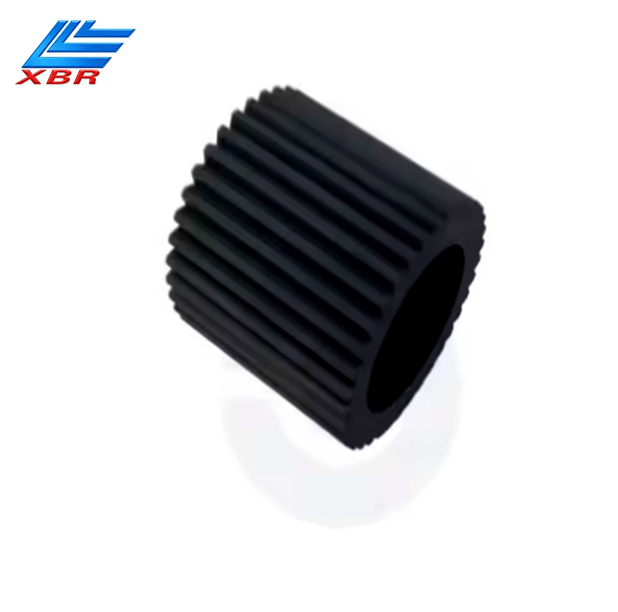
Financial terminal maintenance is a preventative practice. The primary point of failure in cash dispensers and bill counters is the mechanical pathway. Paper dust from banknotes accumulates on optical sensors, leading to read errors. Concurrently, rubber components like feed rollers and passway rollers lose their friction coefficient. Utilizing premium replacement parts, such as the Fujitsu F53/F56 Cash Cassette Passway Roller, is essential to avoid frequent double-feeds and paper jams.
Different financial environments demand customized terminal setups:
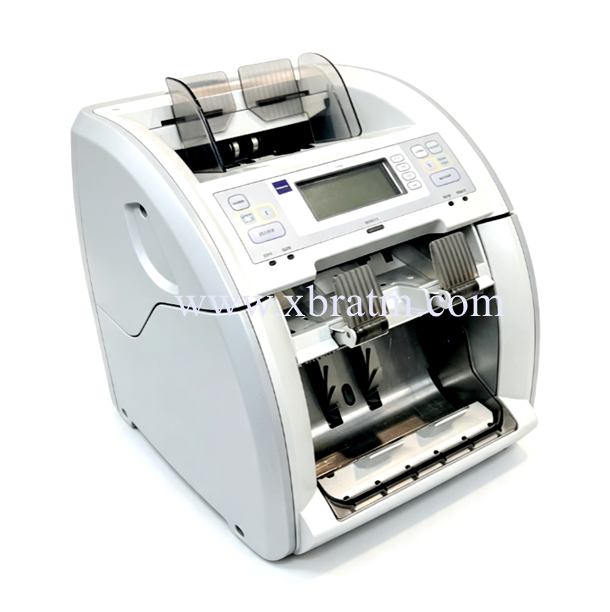
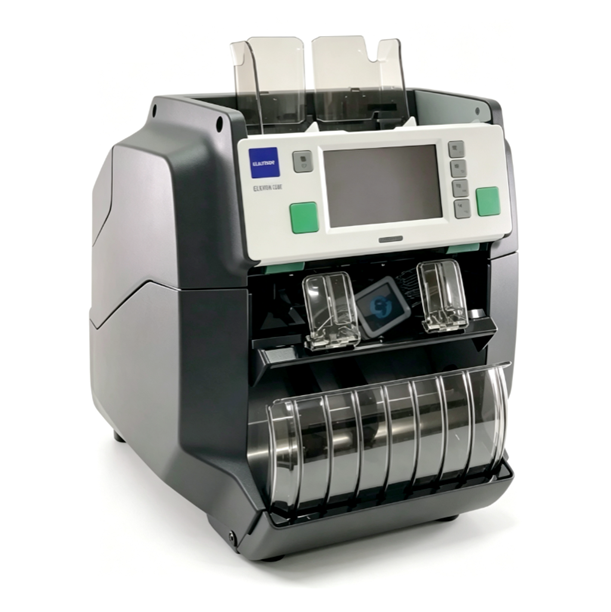
1. High-Volume Retail Banking: Inside busy bank branches, smart teller assist units and lobby ATMs require robust bill validators like the Glory GFS-120S or Glory GFS-220. These modules process deposits rapidly, sorting banknotes by denomination and orientation while instantly flagging suspicious bills.
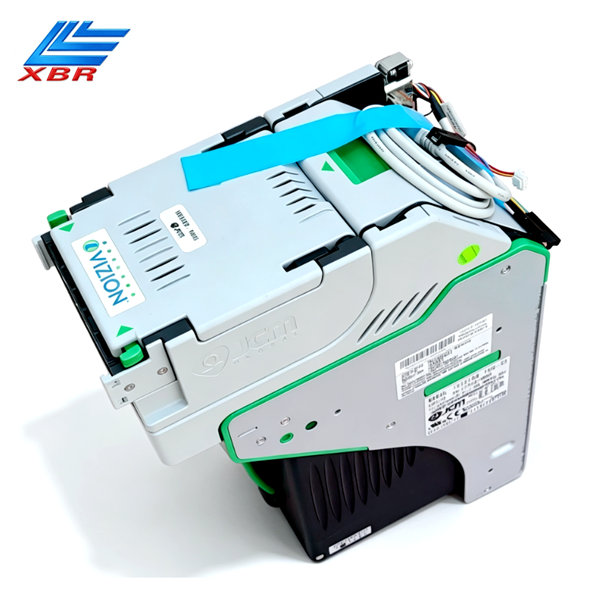
2. Crypto-to-Cash Hubs (Bitcoin ATMs): Bitcoin ATMs rely heavily on highly secure bill acceptors such as the MEI SCNL8328R or JCM IVIZION-100-SS. Because these terminals are often located in unstaffed retail locations, the bill validator must act as the primary defense line against fraud, requiring high-durability optical sensors and mechanical locks.
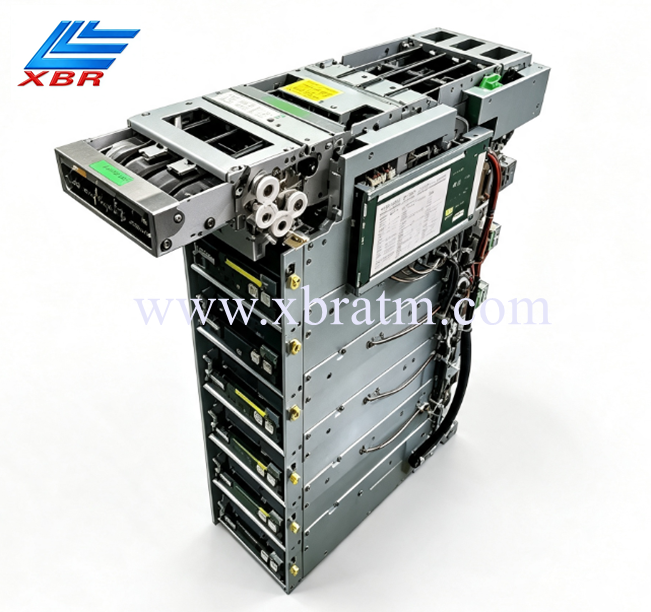
3. Remote Off-Site ATMs: For ATMs located in remote areas, maintenance visits are costly. Upgrading these machines with reliable cash dispensers like the Fujitsu F510 Bill Dispensing Module ensures that cash is fed smoothly even when processing worn-out currency, reducing emergency maintenance dispatches.
Modern automatic bill counters integrated into financial terminals are marvels of optical and magnetic engineering. Older validators relied on simple optical density checks to determine banknote value and legitimacy. In contrast, today's hardware upgrades introduce a suite of advanced sensing technologies:
Double-sided CIS technology captures full-surface images of banknotes using various light sources, including visible red, green, blue, and infrared light. By analyzing these images against high-resolution reference databases, the module verifies the exact denomination, serial number, and security features of the currency.
Many currencies, such as the US Dollar and Euro, use magnetic ink and embedded metallic threads. Modern validator modules feature high-sensitivity magnetic sensor arrays that scan specific zones of the bill. This ensures that counterfeit notes printed with standard non-magnetic inks are rejected instantly.
When banknotes are sticky, wet, or heavily worn, they tend to stick together. Ultrasonic sensors emit high-frequency sound waves through the passing paper. By measuring the amplitude of the signal that penetrates the note, the system can instantly detect if two or more bills are passing through the counter simultaneously, preventing accounting discrepancies.
For financial institutions and independent ATM deployers (IADs), maintaining a large fleet of terminals requires structured lifecycle management. Here are key strategies to optimize terminal efficiency:
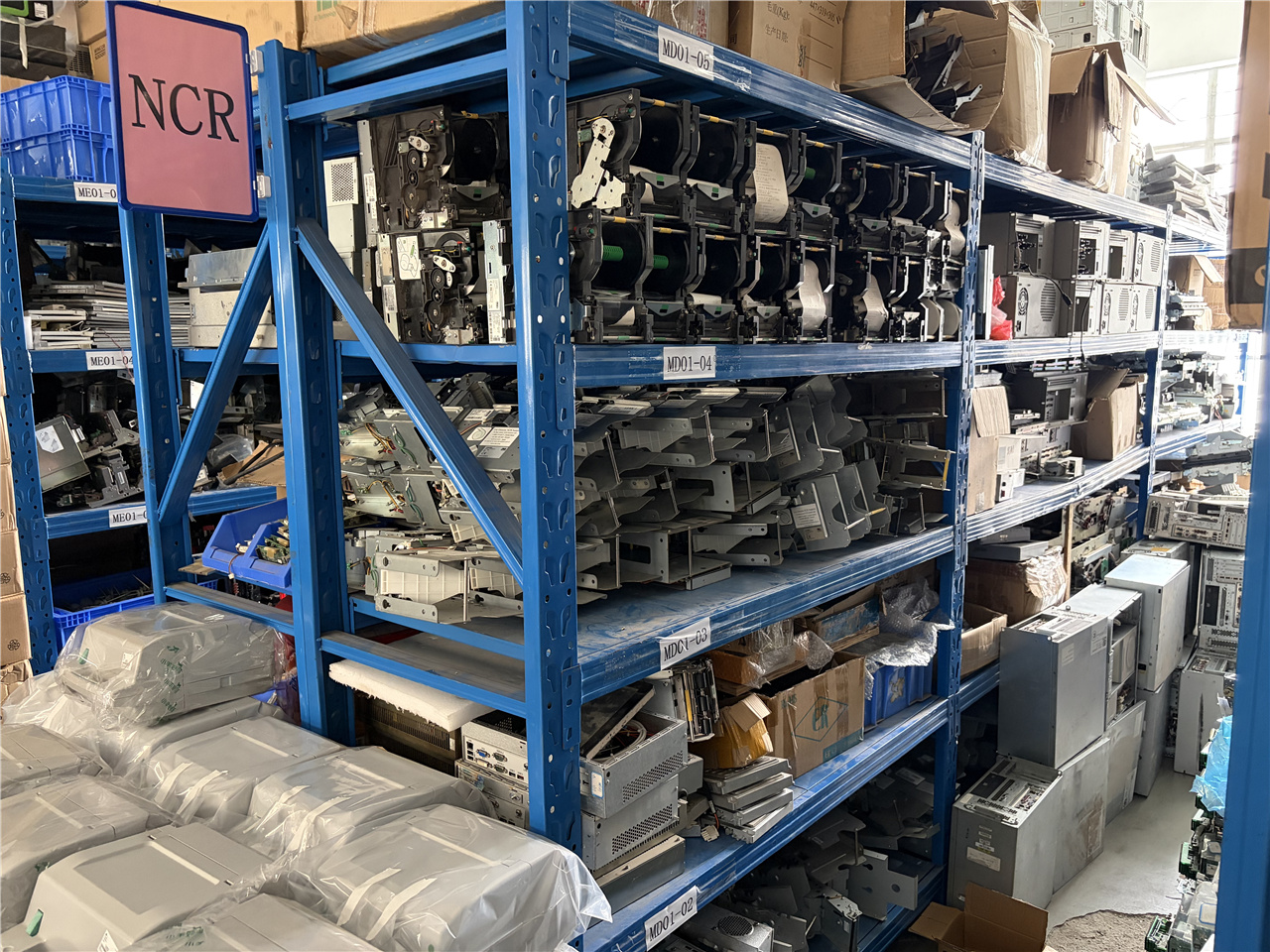
1. Standardized Spare Parts Inventory: Maintaining a local stock of high-demand wear items—such as pick belts, feed rollers, and sensor cleaning kits—minimizes the time terminals remain out of service. XBR supports this by offering a vast inventory of generic new and original refurbished parts.
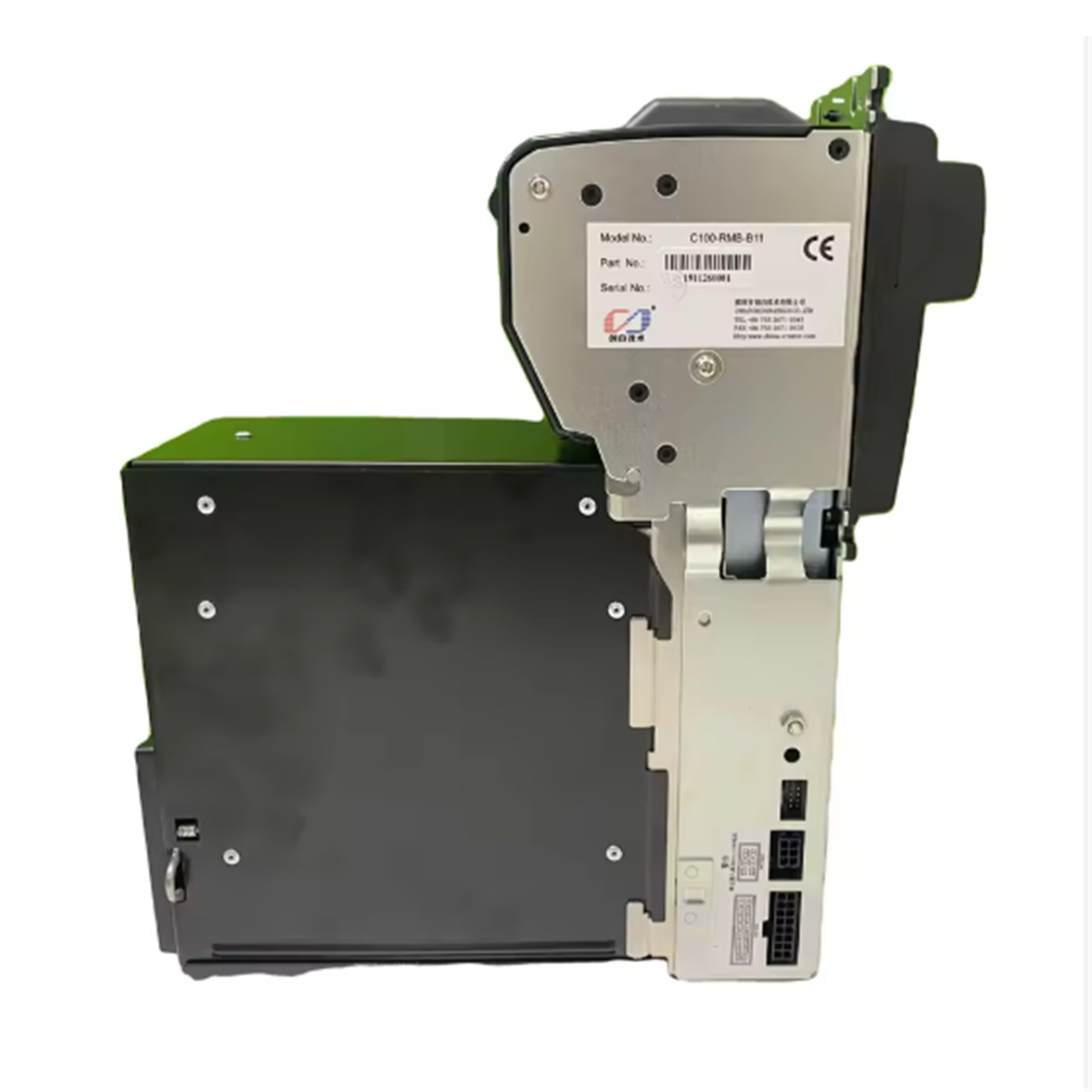
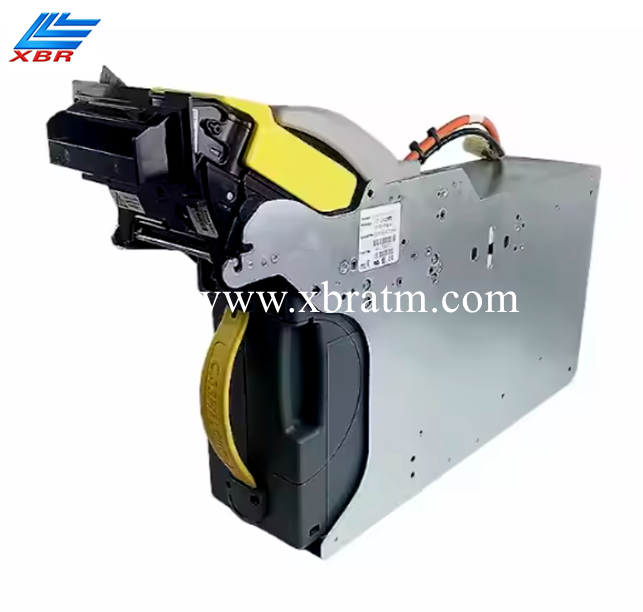
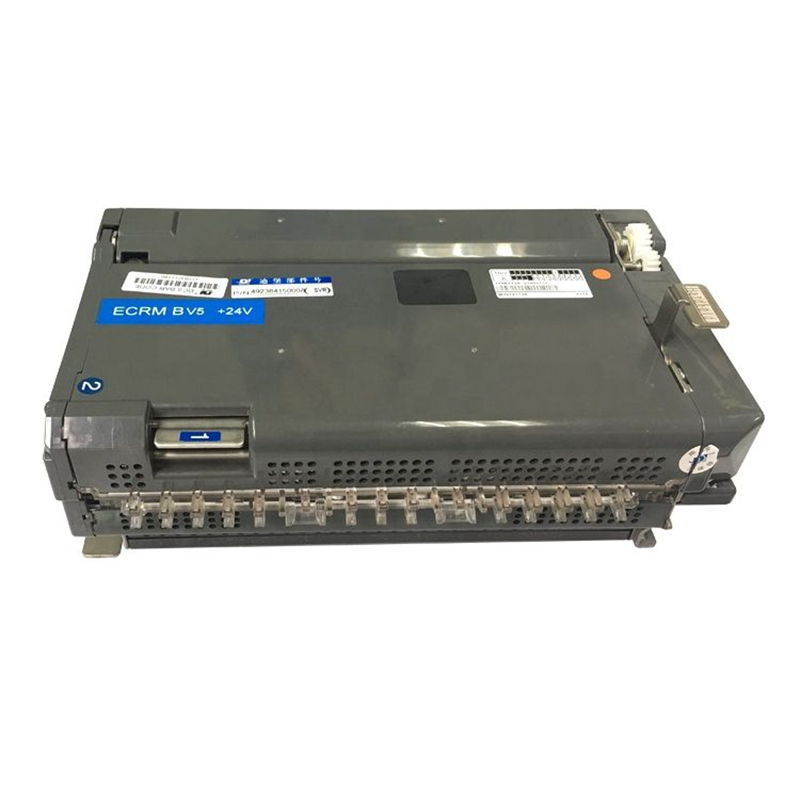
2. Proactive Firmware Updates: Central banks periodically release updated banknotes with new security features or layout designs. Ensuring your bill validator modules (such as the Creator C100-Rmb-B11 or Diebold ECRM series) receive regular firmware updates prevents false rejects and transaction dropouts.
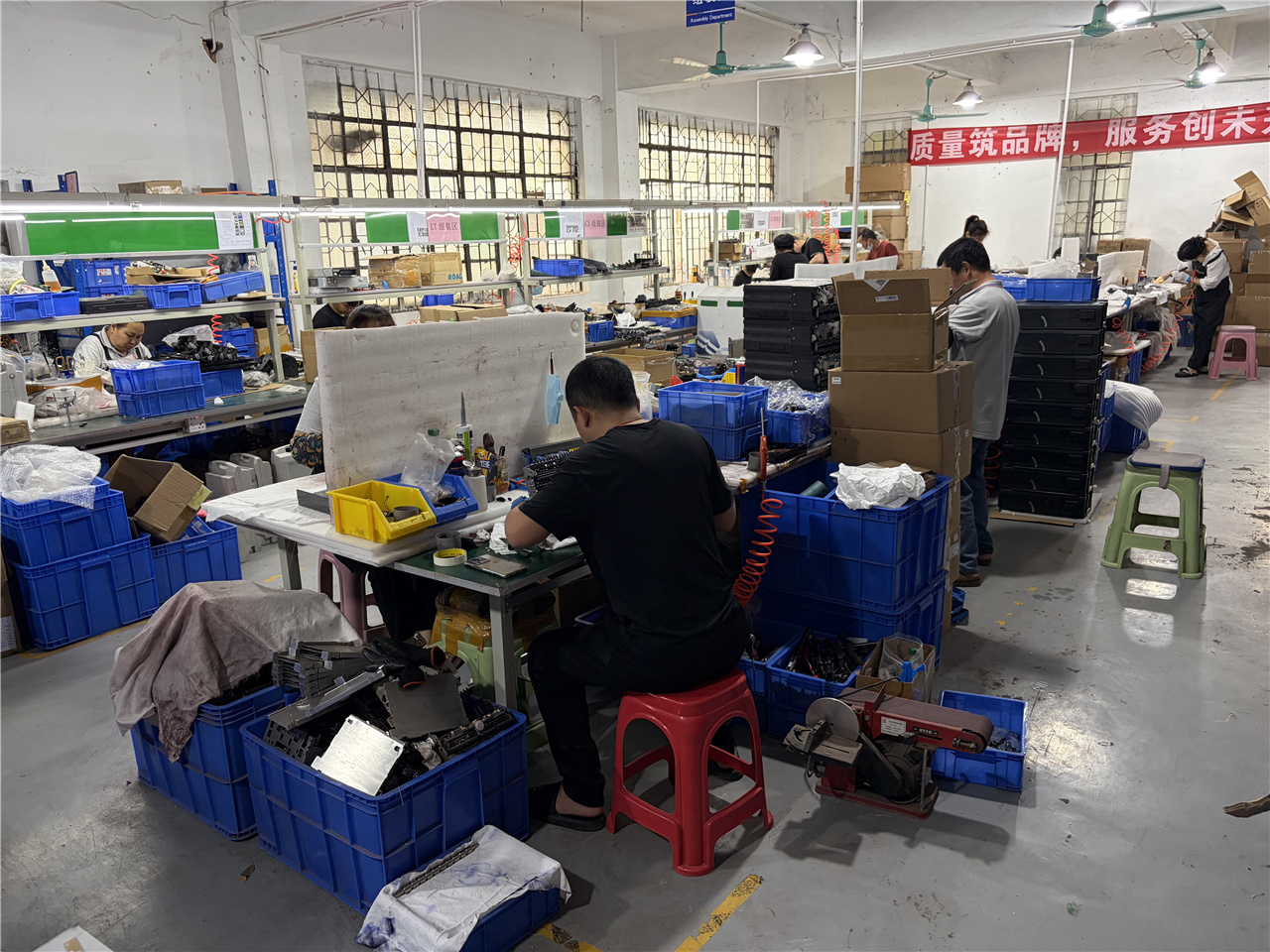
3. Partnering with Reliable Refurbishment Specialists: Instead of replacing entire terminal assemblies, components like bill validator chassis and cash dispenser modules can be professionally refurbished. This sustainable approach reduces electronic waste and hardware upgrade costs by up to 50%.