Follow us:

Leave Your Message
-
Whatsapp

-
WeChat



Immediate-dispatch replacement modules calibrated for rapid on-site restoration across major OEM banking platforms.
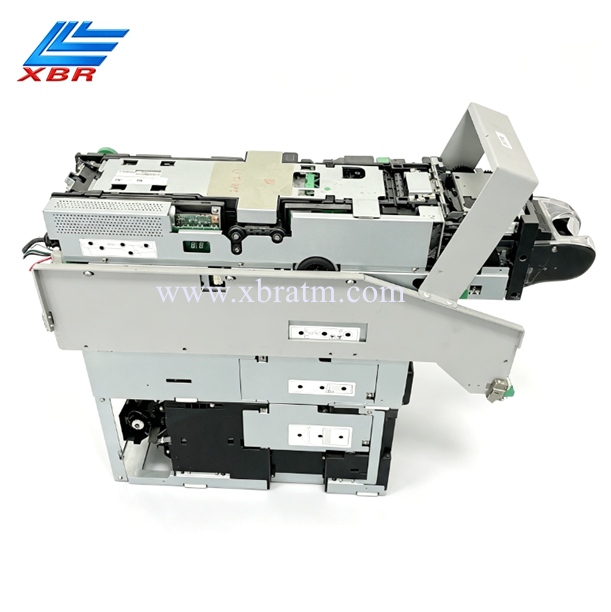
Analyzing shifting supply chain economics, hardware obsolescence, and SLA containment strategies across global IAD and financial networks.
The global automated teller machine (ATM) ecosystem has undergone a profound structural shift over the past decade. Retail financial institutions, credit unions, and Independent ATM Deployers (IADs) face escalating margin constraints, branch network optimizations, and stringent uptime mandates. In this operating climate, reliance on monolithic Original Equipment Manufacturer (OEM) service agreements has proven increasingly cost-prohibitive. Professional Third-Party Maintenance (TPM) service providers have stepped forward as the crucial operational backbone, offering agile, cost-efficient, and multi-vendor engineering coverage that OEM contracts rarely accommodate.
TPMs operate in an unforgiving service-level agreement (SLA) environment. Contract penalties are tied directly to Mean Time to Repair (MTTR), First-Time Fix Rates (FTFR), and overall fleet availability metrics often demanding 99.5% or higher availability. Achieving these targets requires maintenance organizations to navigate complex technological hurdles: legacy hardware platforms functioning alongside cutting-edge automated deposit and cash recycling terminals, fragmented component sourcing, and rigorous PCI-PTS compliance requirements.
Understanding the mechanical and fiscal leverage of third-party servicing requires evaluating the structural differences in how maintenance parts are routed, bench-tested, and deployed:
| Evaluation Parameter | Traditional OEM Channel | Professional TPM Partner (XBR Paradigm) | Operational Fleet Impact |
|---|---|---|---|
| Multi-Vendor Breadth | Single-brand focus; high markups on competitor parts | Comprehensive coverage across NCR, Wincor, Diebold, Hyosung, GRG, Fujitsu | Single procurement touchpoint for mixed-estate field fleets |
| Component Availability | Forced obsolescence cycles (End-of-Life / End-of-Service-Life) | Active stock for mature, legacy, and latest recycling platforms | Extends terminal lifecycle by 7-10 years, deferring massive capital expenditure |
| Fulfillment Speed | Protracted lead times (often 4-12 weeks for non-current modules) | Stocked inventory dispatch in 3 to 7 business days | Dramatic reduction in prolonged ATM machine downtime and SLA penalties |
| Component Grading | Exclusively new OEM units at peak commercial pricing | Original New, Precision Refurbished, Tested Used, Generic New | Budget customization tailored to retail versus premium branch environments |
Targeted mechanical resolutions and electro-mechanical module replacements engineered for specific field failure modes.
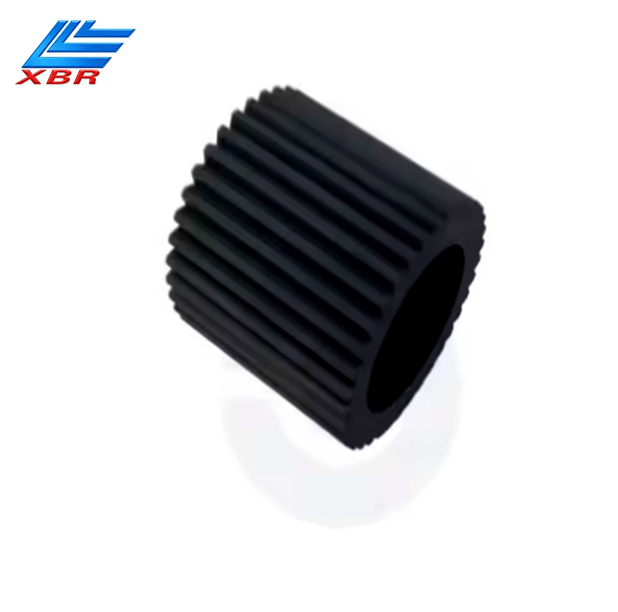
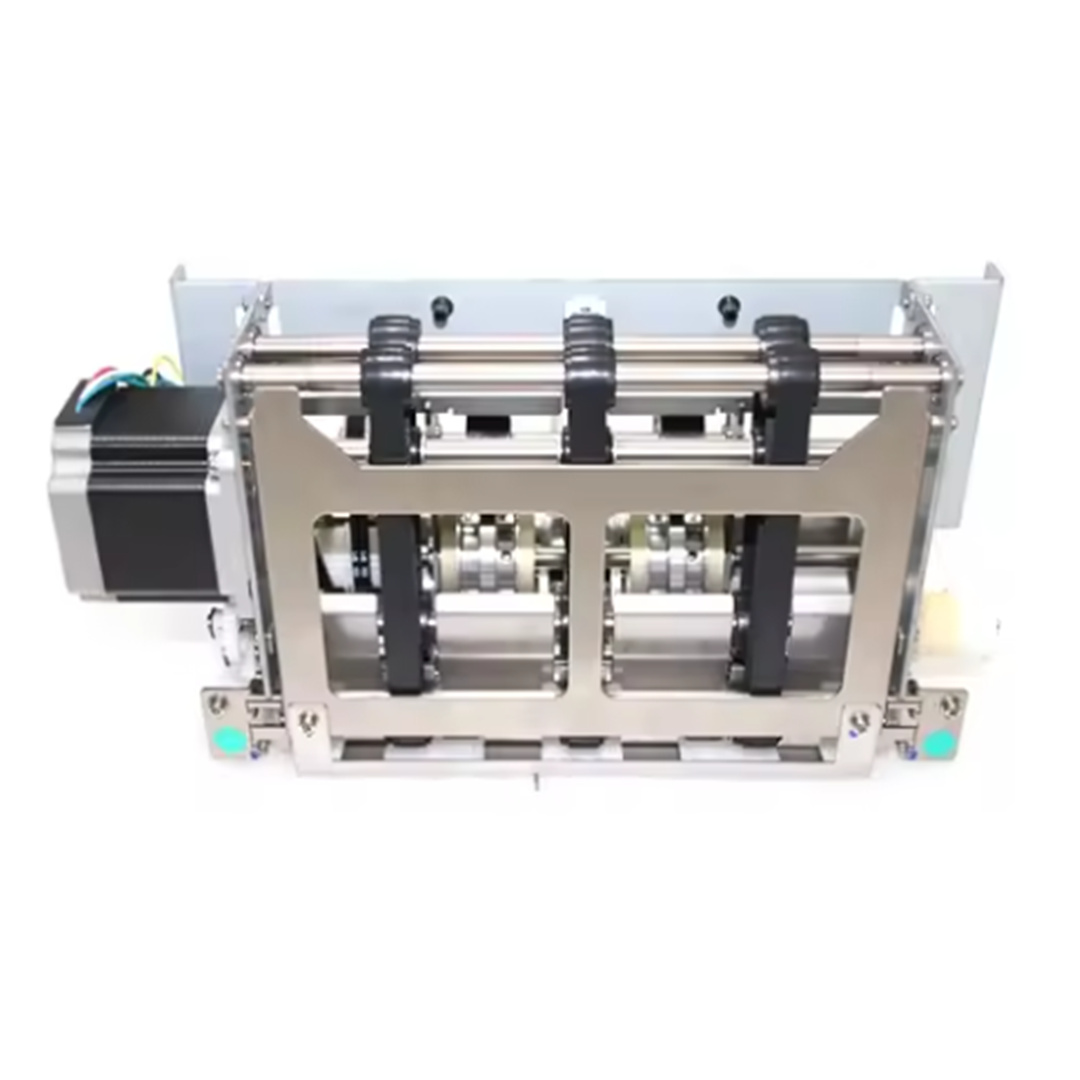
Off-premise terminals situated in high-footfall retail chains, convenience stores, and transit stations experience severe mechanical friction. Bill pick-tires, passway rollers (such as Fujitsu F53/F56 series), and feed clutches degrade under continuous bill dust accumulation, resulting in chronic note jams. Third-party field engineers leverage modular pick mechanisms, elastomeric roller replacements, and cassette refurbishment kits to restore pick accuracy to 99.98% without replacing entire dispenser frames.
Financial institutions are aggressively replacing single-function cash dispensers with Automated Cash Recyclers (such as Fujitsu GSR50 and OKI subassemblies). These complex mechatronic modules feature optical-infrared multi-spectrum note validation, escrow conveyors, and physical recycling cassettes. TPM engineers require pre-calibrated sensor boards, transport belts, and timing gears to perform precision module swaps on-site, minimizing cash-in-transit (CIT) reload costs for retail banks.
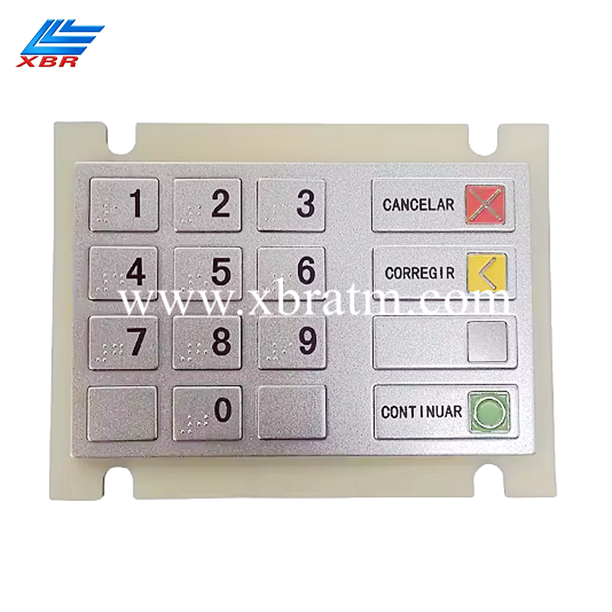
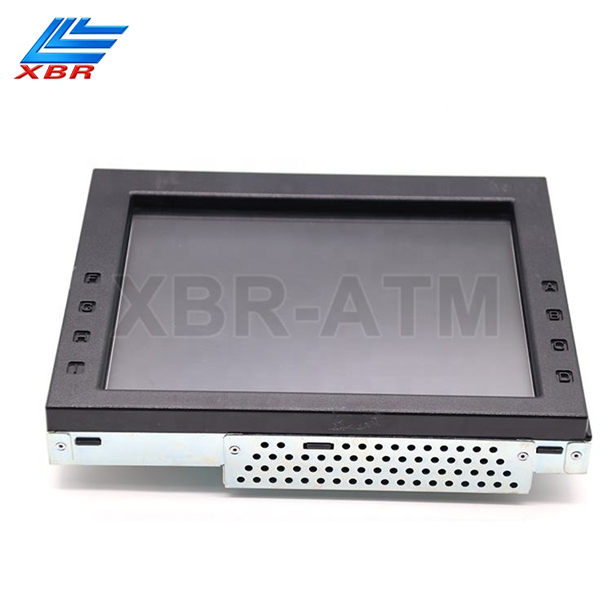
Regulatory evolution mandates perpetual compliance upgrades across payment interfaces. TPM providers are tasked with field-retrofitting legacy units to PCI-PTS certified Encrypted PIN Pads (EPP), such as the Wincor 2050XE EPP V5 Braille Keyboard, alongside anti-skimming bezel integration. Furthermore, service technician efficiency hinges on pristine operator interfaces, including Diebold 10.4-inch rear service LCD monitors that allow real-time diagnostic reporting without interrupting front-facing customer screens.
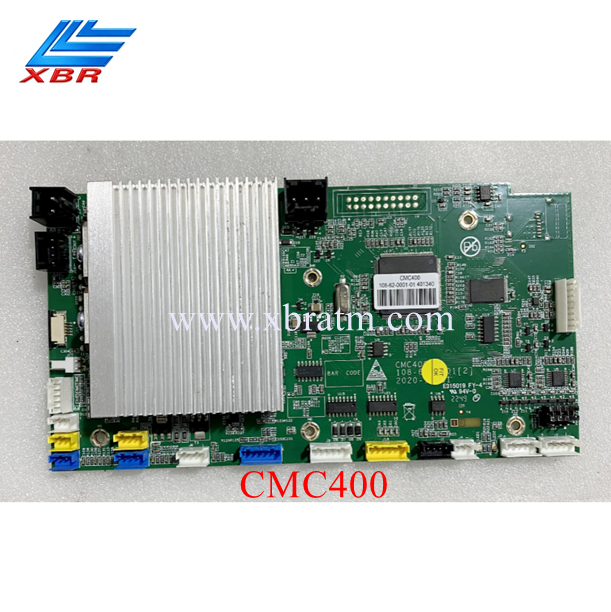
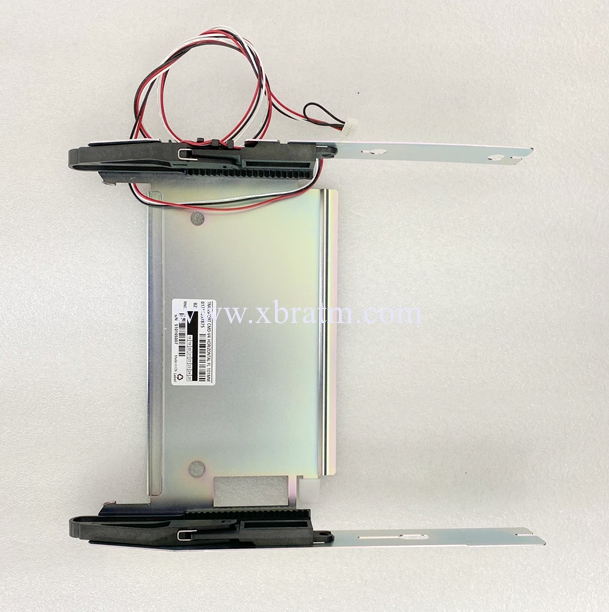
Voltage spikes, power drops in remote regions, and thermal cycling frequently compromise dispenser control motherboards (such as the Glory NMD100/300 A008545 control board) and integrated power supply modules. TPM field teams avoid costly full-safe replacements by isolating PCB faults and executing fast field swaps using bench-tested, firmware-matched control boards that interface seamlessly with the ATM’s central application software stack.


How predictive monitoring, circular economy refurbishment, and bench simulation rigs are redefining maintenance operations.
Traditional ATM maintenance followed a break-fix paradigm: field service dispatchers waited for sensor failure codes, transaction abort alerts, or out-of-service ping events before mobilizing a field engineer. Today’s advanced third-party service providers are actively adopting predictive condition-based maintenance protocols. By tracking pick-cycle counts, roller diameter degradation, and motor torque consumption, TPMs preemptively replace high-stress mechanical parts during scheduled preventative maintenance visits.
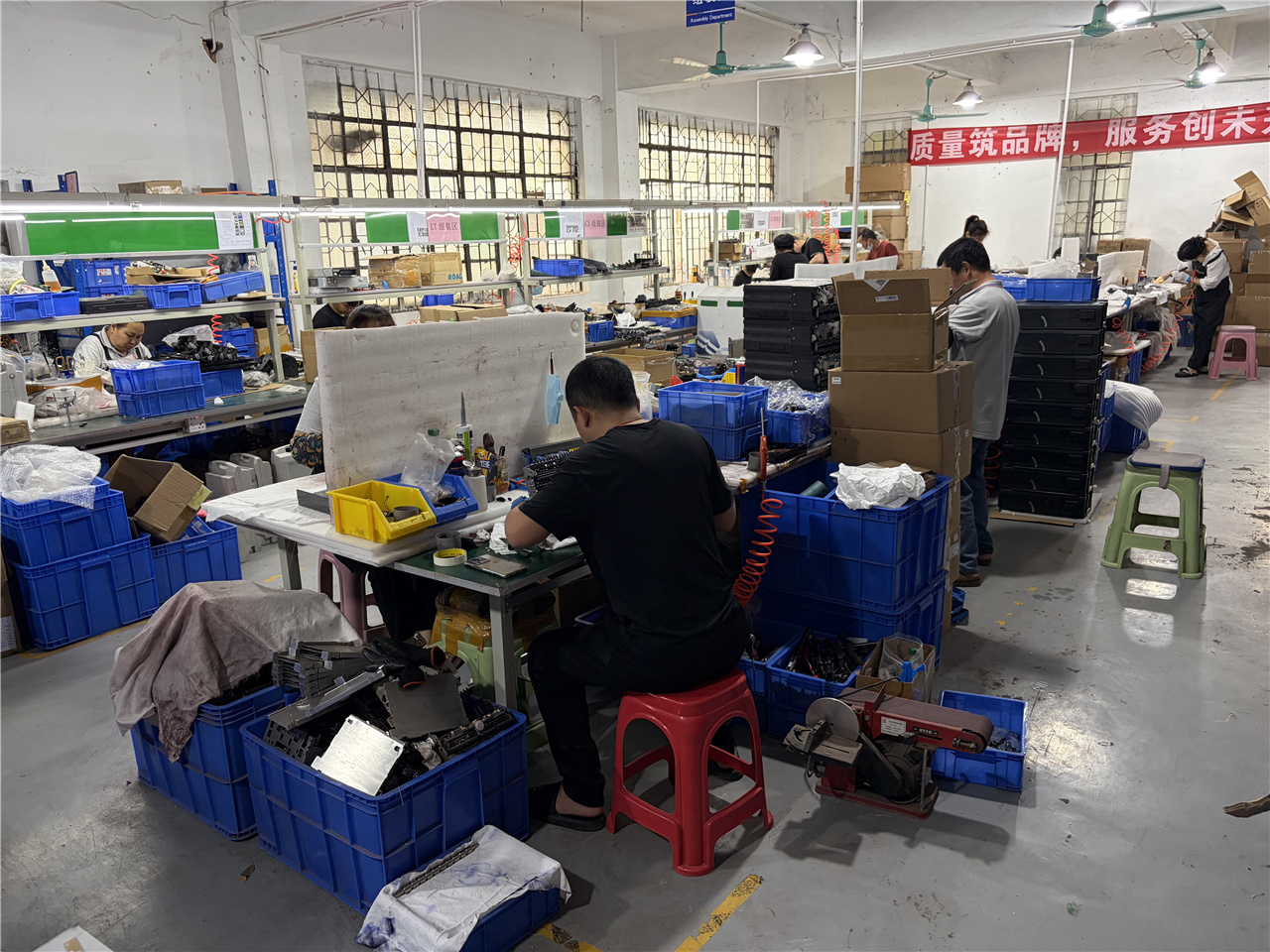
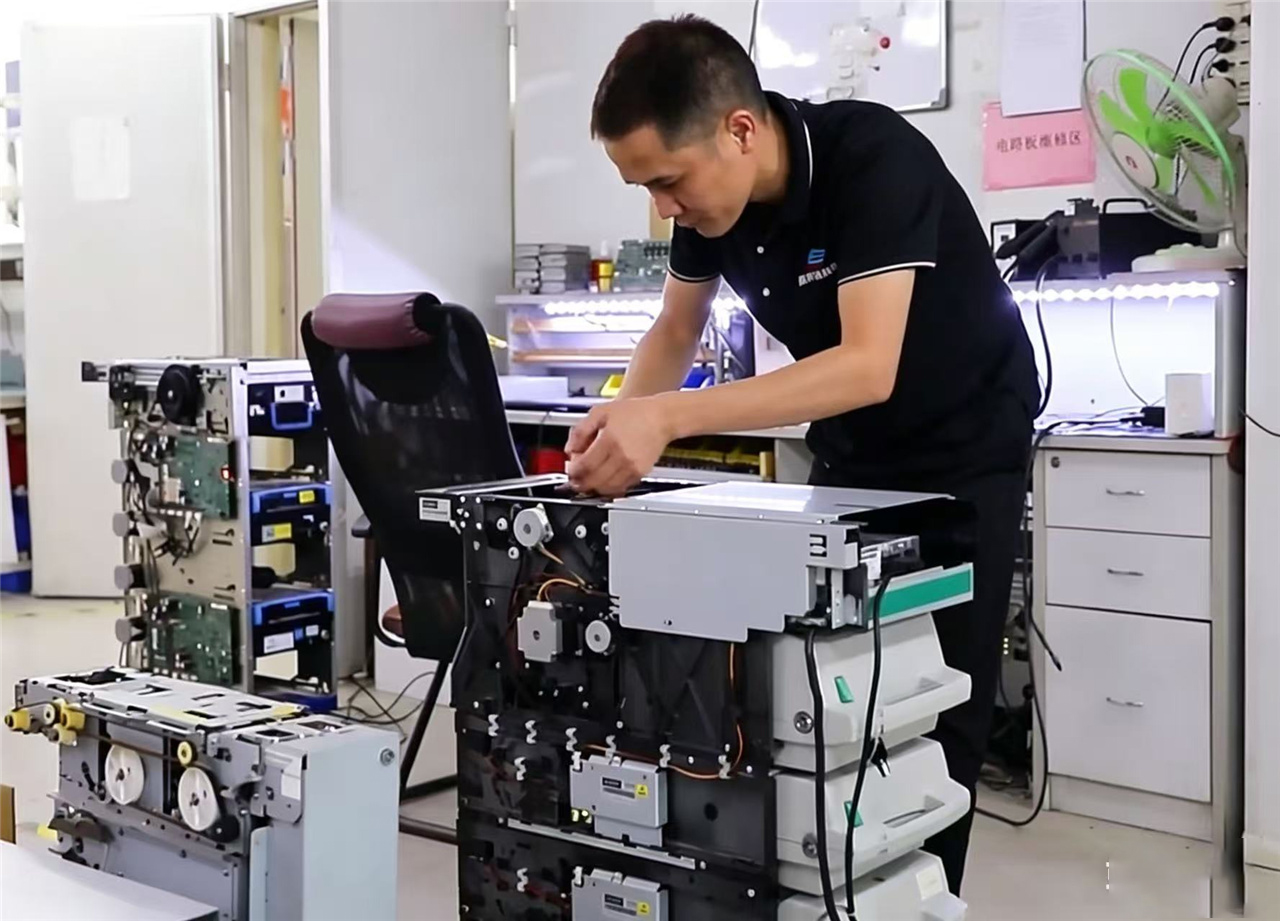
This paradigm places enormous value on specialized test rigs. At Shenzhen Xinbangrong Technology Co., Ltd. (XBR), every cash dispenser, presenter assembly, and validator undergoes rigorous continuous-cycle testing on proprietary OEM-simulated test fixtures. Modules must demonstrate flawless execution across thousands of cycles with diverse note physical conditions—ranging from crisp polymer banknotes to soiled, limp paper currency—before obtaining final QC clearance for client delivery.
Electronic waste containment and corporate sustainability mandates are compelling financial institutions to reconsider routine terminal replacement. Manufacturing a new ATM demands extensive carbon inputs across alloy smelting, precision machining, and specialized plastics. Third-party refurbishment breathes a second or third operational life into robust chassis architectures, such as the Wincor Nixdorf ProCash series or Diebold Opteva units.
By disassembling mechanical blocks down to sub-gears, replacing tired silicone suction cups, ultrasonically cleaning optical track sensors, and flashing certified firmware, refurbished modules match original OEM operational reliability at a fraction of the ecological and financial cost. For international TPM networks, this capability is the differentiator between razor-thin margins and healthy recurring contract profitability.
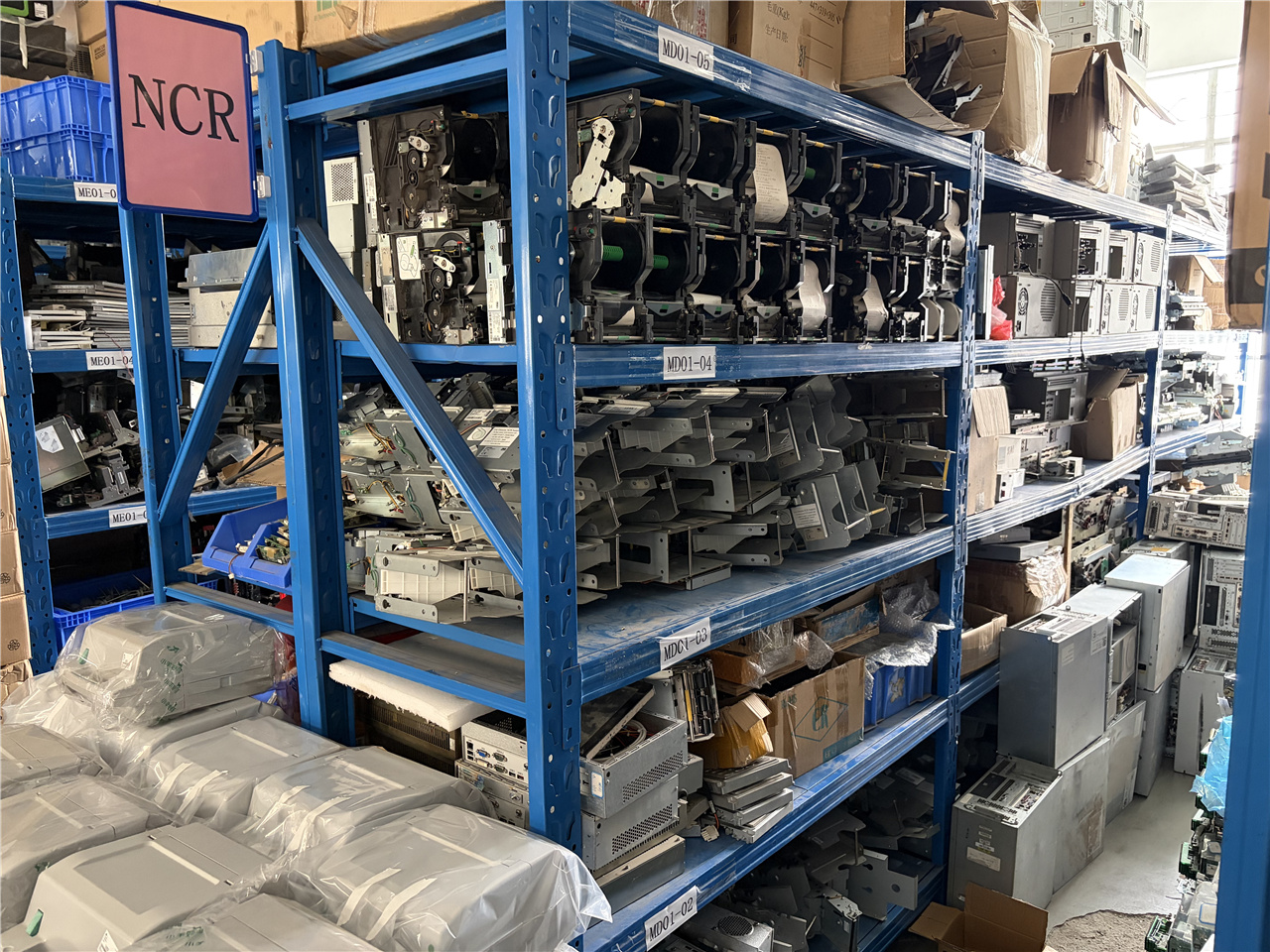
Continuous-production replacement parts, field-swappable subassemblies, and critical consumables ready for global rapid deployment.
Actionable guidance on optimizing field van stock, handling legacy-to-modern transitions, and establishing redundant supply pipelines.
The financial success of any third-party maintenance organization is intimately tied to the First-Time Fix Rate (FTFR). When a certified technician arrives on-site and discovers that a note jam originated from a fractured feed shaft or a glazed pick roller rather than a simple software lockout, lack of immediate replacement inventory forces a return trip. This doubles labor hours and introduces severe SLA exposure.
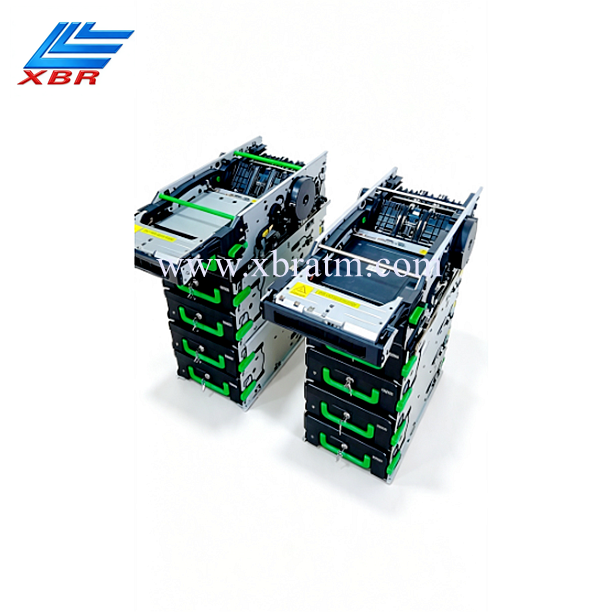
High-performing TPM service fleets implement tiered trunk-stock profiles. Service vans operating in urban clusters maintain standardized maintenance kits containing high-wear mechanical consumables: passway rollers (e.g. Fujitsu F53/F56), pick tires, belts, sensor arrays, and ubiquitous control components like the Wincor CMD-V4 horizontal transport assembly (01750057875) and GRG CDM8240 note feeders (YT4.029.020). Conversely, larger regional depots hold pre-tested, swappable assemblies such as Hyosung CDU10 cash dispensers and complete cash recycling towers ready for same-day dispatch.
With global supply chains facing periodic component shortages, the influx of unverified generic parts represents a major operational hazard for maintenance contractors. Inferior polymer blends in bill feed rollers can harden or degrade rapidly under ambient heat, causing repeated multifeeds and customer note damage. Likewise, non-certified PIN pads can lock up field logic controllers or fail strict security key injection procedures on-site.
Partnering with an established hardware specialist like Shenzhen Xinbangrong Technology Co., Ltd. (XBR) protects service providers through exhaustive quality assurance. Operating out of our modern Dongguan production and testing center with over 50 technical specialists and 3,000+ stocked line items, every component—from minute gears to whole ATM teller machines—undergoes complete bench diagnostic verification, mechanical load simulation, and firm warranty backing to guarantee smooth, dependable long-term field performance.