Follow us:

Leave Your Message
-
Whatsapp

-
WeChat



Precision engineered cassettes, intelligent cash dispensers, high-speed thermal printers, and OEM-certified modules for mission-critical self-service banking terminals.
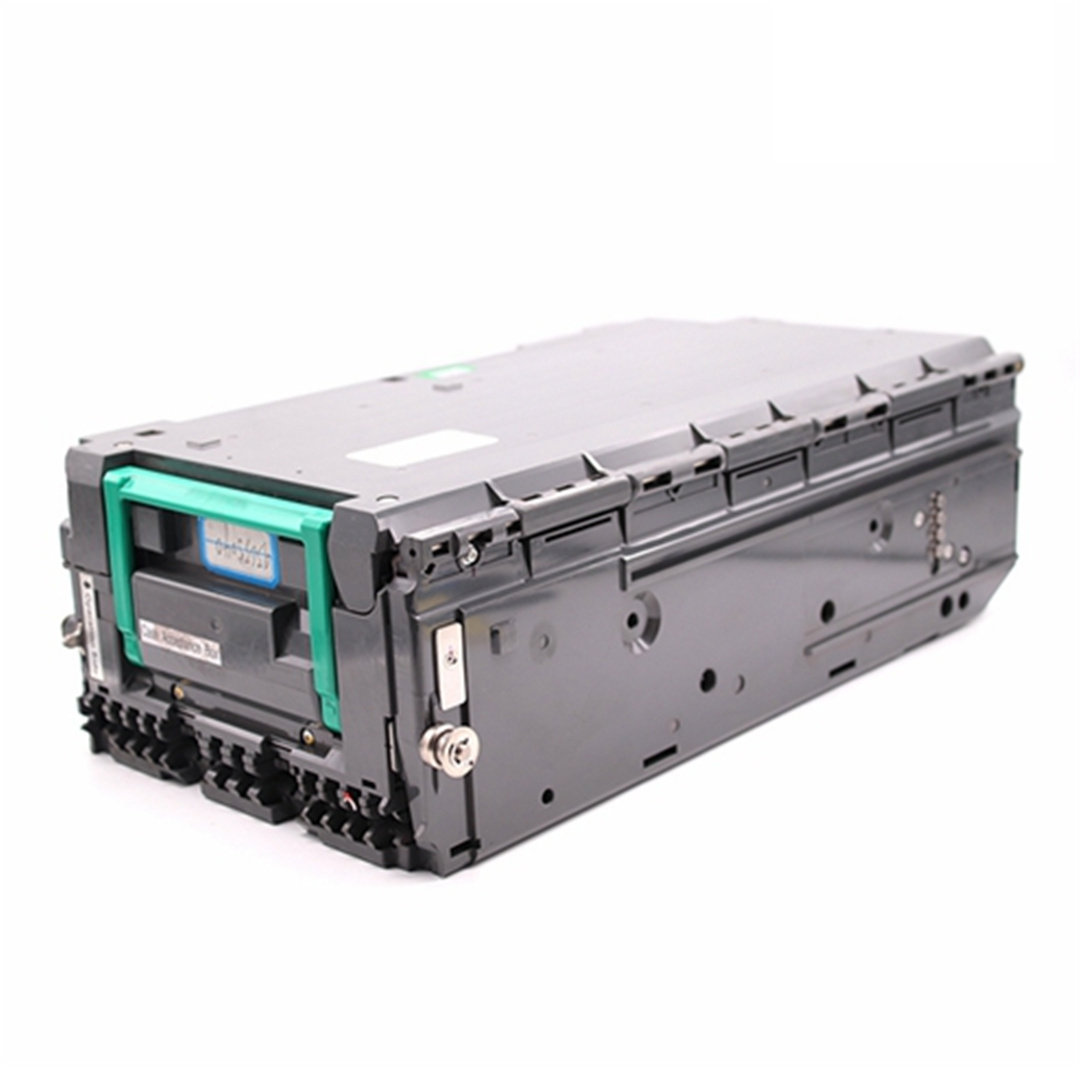
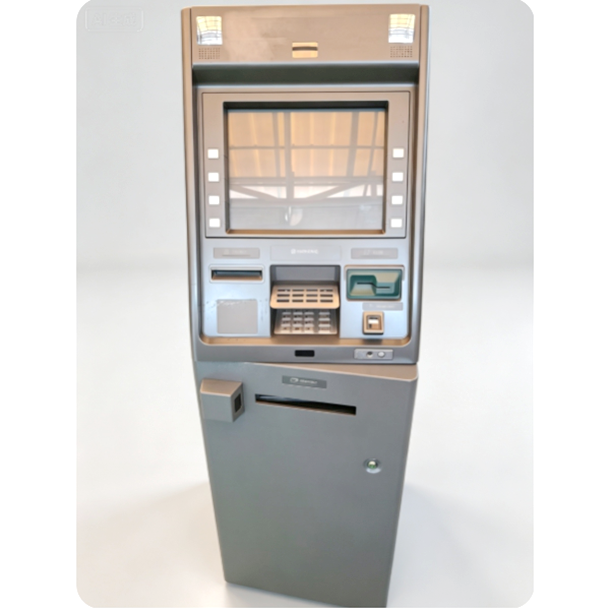
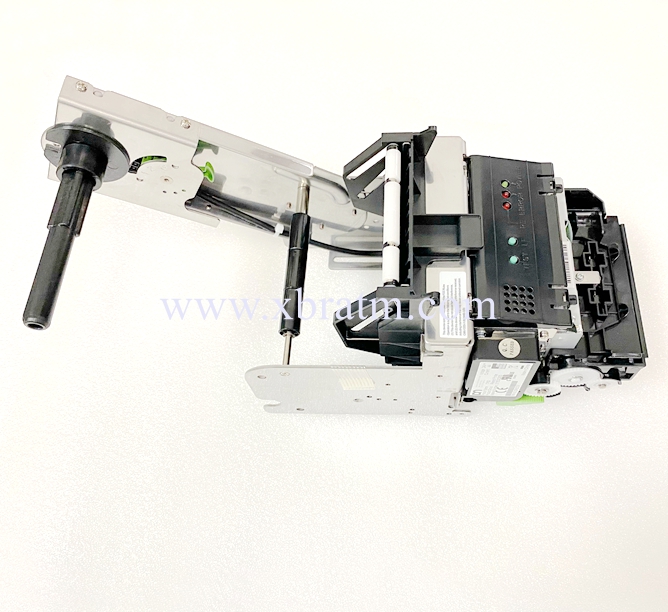
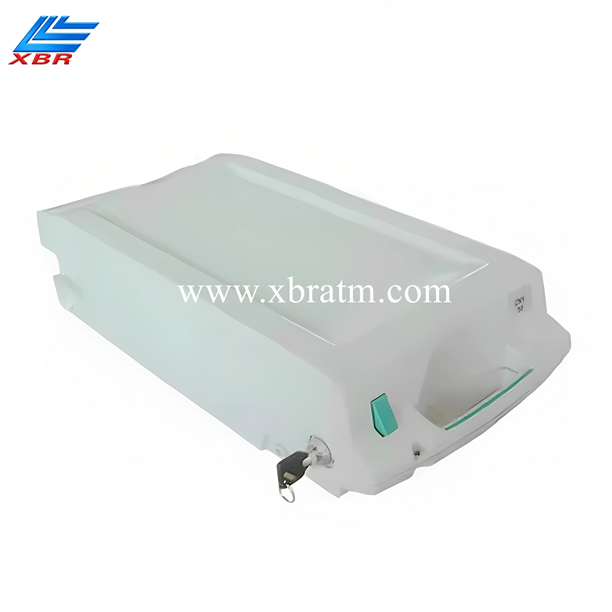
The global automated teller machine (ATM) ecosystem is undergoing one of the most demanding regulatory and architectural shifts in its history. The Payment Card Industry Security Standards Council (PCI SSC) has continually accelerated the sunset timelines for older PIN Transaction Security (PTS) versions. Legacy deployments utilizing PCI PTS v1, v2, and v3 Encrypted PIN Pads are already classified as non-compliant across major payment rails (Visa, Mastercard, American Express, UnionPay, and regional interbank networks). Concurrently, financial institutions, ATM ISOs (Independent Sales Organizations), and managed service providers face rigorous mandates to phase out PCI PTS v4 modules in favor of PTS v5, v6, and upcoming v7 certified cryptographic boundaries.
Operating an ATM fleet with retired PIN pad units exposes acquiring banks and independent operators to immense financial and brand hazards. Non-compliance immediately triggers catastrophic penalties, forfeiture of fraud liability protections, higher per-transaction processing interchange fees, and severe vulnerability to physical tampering. In modern cyber-physical threat environments, criminal syndicates deploy micro-drills, side-channel differential power analysis (DPA), high-frequency wiretapping, and specialized hardware man-in-the-middle (MitM) taps between the EPP and the ATM core controller. Upgrading to advanced, tamper-responsive Encrypted PIN Pads is no longer a scheduled routine replacement—it is a vital operational mandate to maintain network authorization.
Under PCI PIN Security Requirement 18-3 and ANSI X9.24, symmetric cryptographic keys used for PIN encipherment must now be protected within cryptographically bound Key Blocks (such as TR-31). Legacy EPPs lacking hardware-enforced TR-31 support cannot legally accept modern root keys via manual entry or remote key distribution, requiring immediate hardware replacement to avoid terminal deactivation.
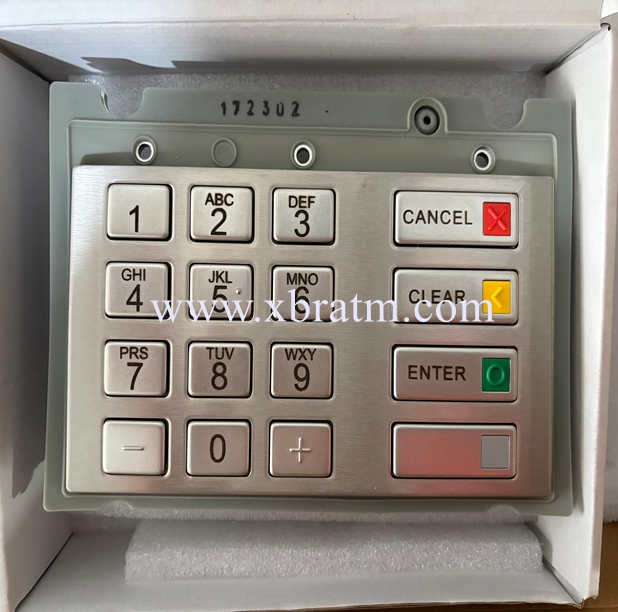
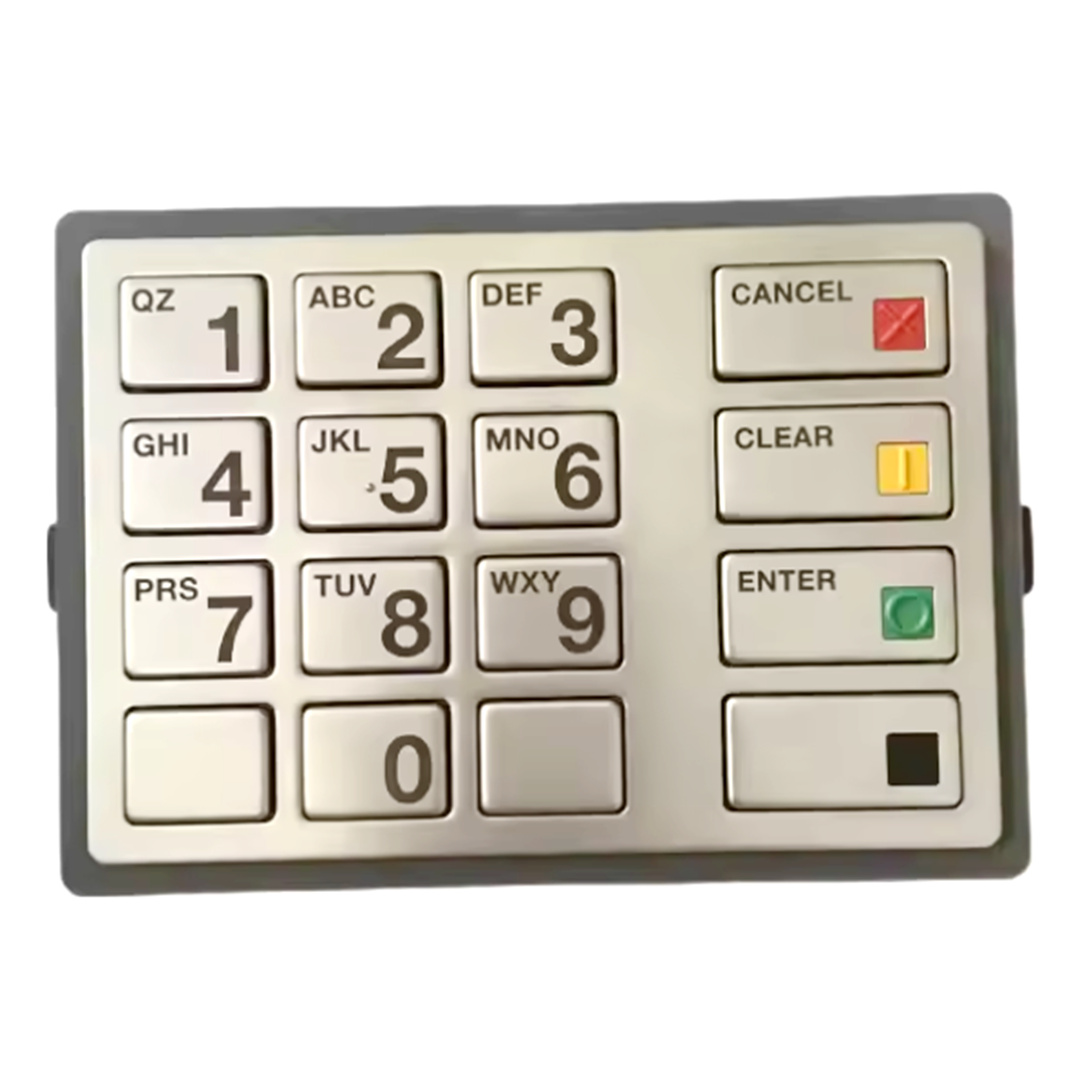
Modern PCI PTS v5/v6 Encrypted PIN Pads—such as the Diebold Nixdorf EPP V8, Diebold EPP7, and NCR S1/S2 cryptographic units—employ sophisticated layered physical and electrical defensive barriers. Inside the EPP's cast-metal envelope lies a continuous physical tamper-detection envelope:
Continuous micro-fine conductive traces wrap around the cryptoprocessor, internal memory, and key matrix. Any drilling, mechanical penetration, or chemical decapsulation cuts the trace or shifts impedance, triggering instant zeroization within nanoseconds.
Dedicated low-leakage lithium battery cells maintain continuous monitoring over tamper switches. Upon physical intrusion, temperature extremes (-30°C to +85°C), or bus manipulation, dedicated hardware drains the internal capacitors and purges all Master, Working, and DUKPT keys.
Hardware engines execute Triple-DES (TDES/3DES) and AES (128-bit, 192-bit, 256-bit) calculations strictly inside the protected chip boundary. Cleartext PIN data never traverses the external communication bus (RS-232, USB, or proprietary serial bus).
Deploying a PCI-compliant Encrypted PIN Pad replacement is intimately tied to the operator's cryptographic lifecycle methodology. Historical deployments relied on "Dual Custody, Split Knowledge," requiring two armored car technicians or bank security officers to visit every physical ATM with paper key components to manually enter hexadecimal master keys. This manual workflow is prohibitively expensive, prone to human error, and introduces massive operational latency.
Contemporary PCI-compliant EPP units integrate robust Public Key Infrastructure (PKI) firmware capable of Remote Key Loading (RKL). During factory certification at facilities such as Shenzhen Xinbangrong Technology Co., Ltd. (XBR), each EPP is injected with verified root and device certificates signed by authorized Certificate Authorities (CAs). Through protocols like ANSI X9.24-2 and TR-34, the host banking switch can negotiate an asymmetric RSA/ECC cryptographic exchange over standard TCP/IP network links to inject Initial Master Keys (IMKs) securely into the EPP.
For transactional execution, modern EPP replacements leverage Derived Unique Key Per Transaction (DUKPT) under ANSI ASC X9.24-3:2017. Unlike static session keys, DUKPT generates a cryptographically distinct, single-use key for every single cardholder PIN entry using an internal Base Derivation Key (BDK) counter. Even if an adversary theoretically recovers a transaction session key via quantum analysis, it is impossible to reverse-derive prior keys or compute forward transactional keys, permanently neutralizing replay attacks.
Replacing legacy EPPs with modern PCI PTS compliant variants requires overcoming intricate mechanical, electrical, and software friction points across diverse ATM chassis. A generic replacement cannot simply be screwed into place; it must conform strictly to physical aperture dimensions, ADA (Americans with Disabilities Act) accessibility standards, tactile key elevation, vandal-resistant bezel locks, and specialized peripheral driver architectures.
| ATM OEM Fleet | Legacy EPP Subsystem | PCI PTS Compliant Upgrade | Key Architectural Features |
|---|---|---|---|
| Diebold Nixdorf (Opteva & DN Series) | EPP4 / EPP5 (PCI PTS v1.x/v2.x) | Diebold EPP7 / DN EPP V8 | USB 2.0 / RS-232, TR-31 Key Block, stainless steel tactile braille, integrated privacy shield, outdoor heating resistance. |
| NCR SelfServ (58xx / 66xx / 80xx) | EPP B1 / B2 / EPP FPI (PCI v2/v3) | NCR S1 / S2 Secure EPP | Full XFS SP compatibility, automated zeroization triggers, low power sleep state, custom bezel mounting brackets. |
| Hyosung (Monimax 5600, 7600, 8000) | Older PCI v3.0 Hyosung EPP | Hyosung EPP 7000 / 8000 Series | Enhanced tamper detection sensor mesh, high-durability actuation switches (>2,000,000 presses), high-speed serial encryption. |
| Wincor Nixdorf (ProCash & Cineo) | EPP V5 / V6 (Older firmware) | Wincor EPP V6/V8 Hybrid | Standard Wincor module bus, backward compatibility with Kalignite, ProBase, and Phoenix middleware frameworks. |
From a software perspective, the integration of a replacement Encrypted PIN Pad relies heavily on the European Committee for Standardization (CEN) Extensions for Financial Services (XFS) standard—specifically the WFS_INF_PIN_STATUS and WFS_CMD_PIN_CRYPT commands under the PIN Service Provider (SP). When upgrading an aging ATM fleet to a modern EPP, legacy XFS drivers must be aligned with contemporary multi-vendor ATM application software such as KAL Kalignite, Diebold Nixdorf Venoa/ProBase, and NCR APTRA.
XBR’s dedicated technical engineering group provides customized firmware mapping and driver matching to ensure that the replacement EPP correctly handles dual-mode operations: functioning as an encrypted entry terminal for cardholder PINs (where characters are translated directly into encrypted PIN blocks like ISO 9564 Format 0, 1, or 3) and simultaneously functioning as a non-encrypted numeric keypad for account balance inquiries, withdrawal amount inputs, and alphanumeric postal code entry.


From component manufacturing and hardware zeroization testing to global logistics, XBR empowers financial operations with turnkey engineering services.
Customized atm parts according to the drawings, samples, or other technical requirements.
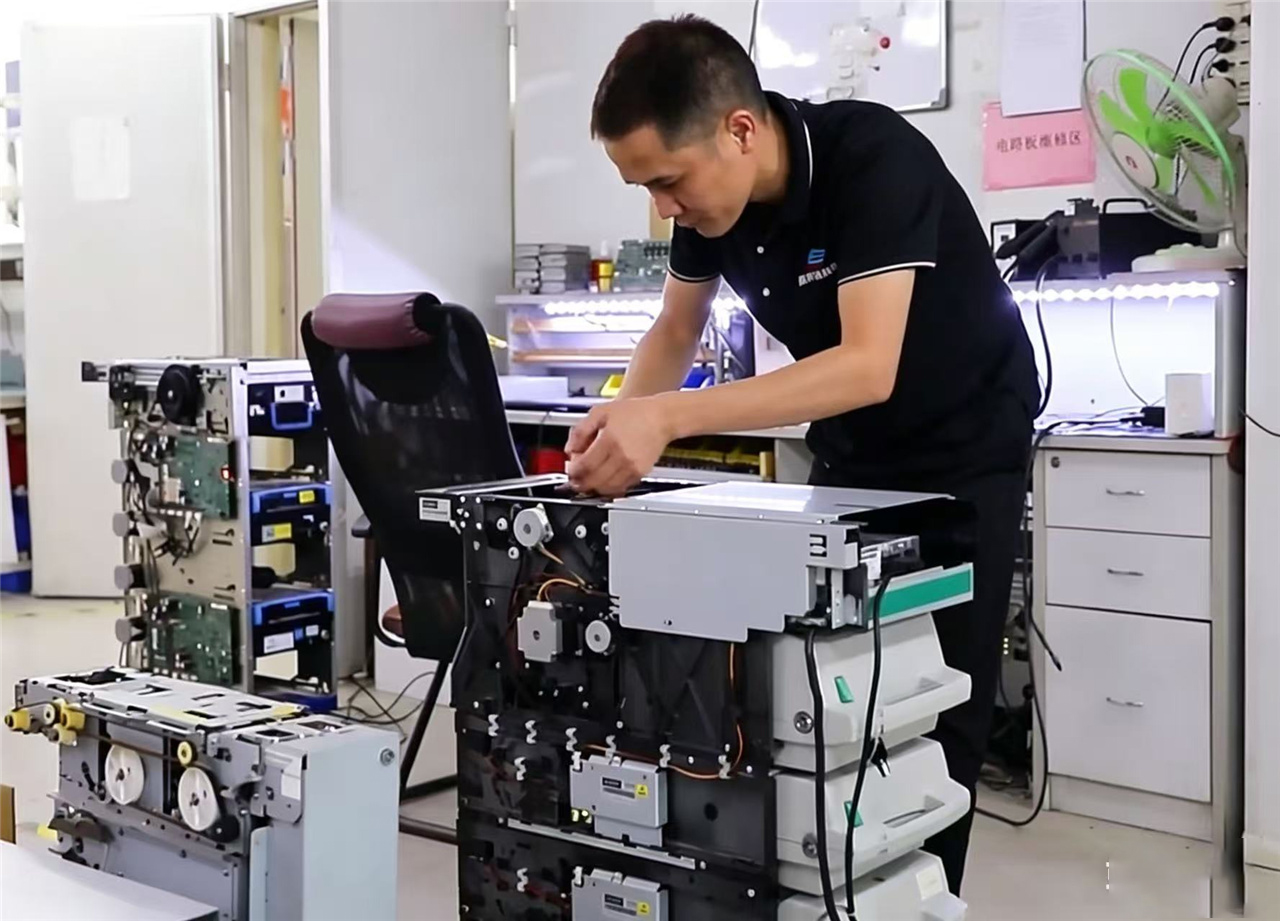
Replace all old parts to make them work properly and clean modules to make them look like new.
100% inspection and testing before shipment to ensure all parts meet customer requirements.
Quick response and professional quotation within 24 hours.
Most of samples (small spare parts) are free for testing before mass order.
Most of the products are available in stock, lead time within 3-7days.
Multiple shipping methods (express, air, sea) to meet your different delivery time and budget needs.
Technical support and warranty service to ensure long-term cooperation with every customer.
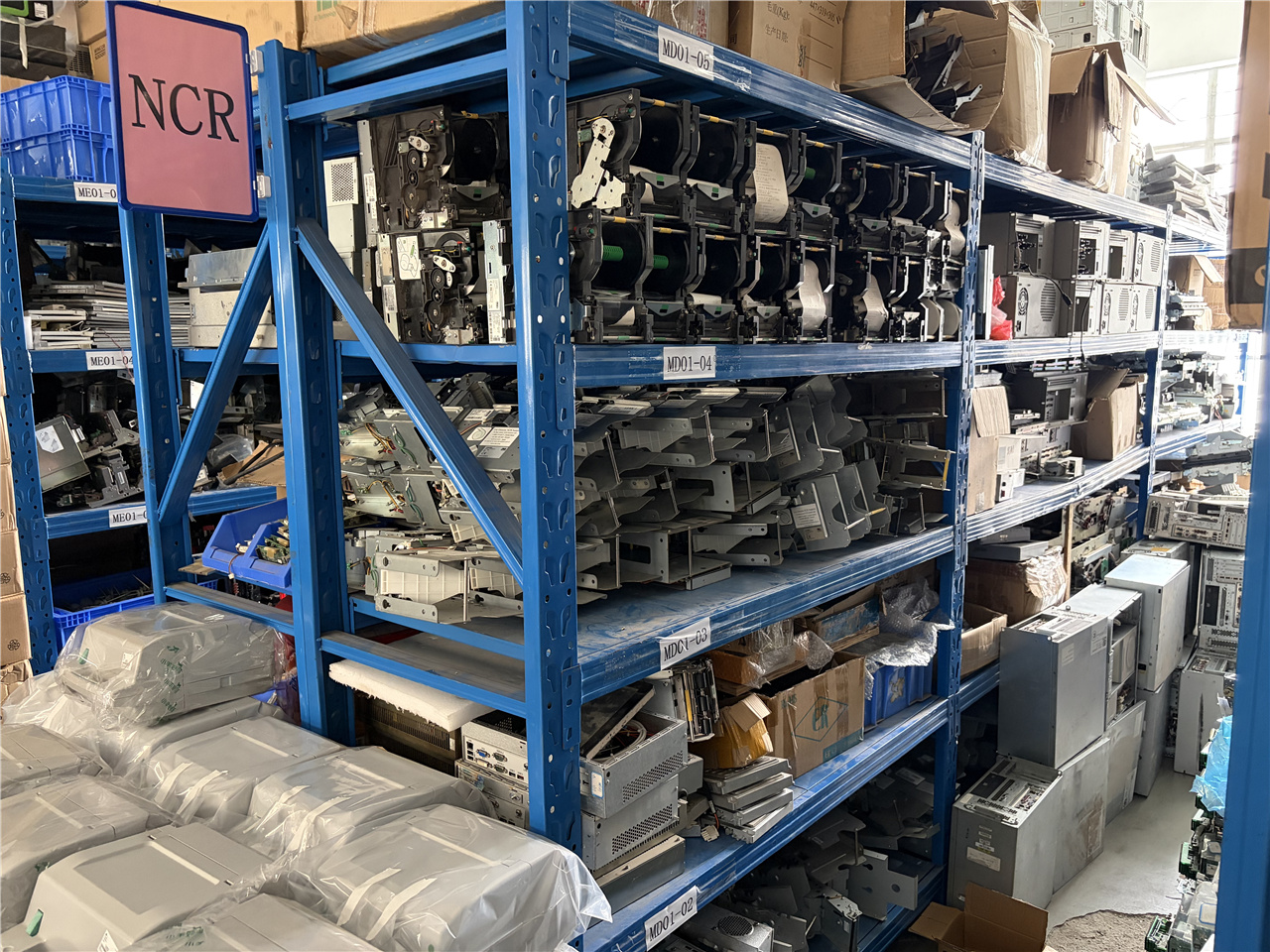
We further expanded our production capacity and officially relocated our production base to Dongguan. This strategic move has significantly upgraded our service capabilities, enabling faster delivery speed, a larger inventory scale (with over 3,000 product items in stock), and higher manufacturing efficiency. Currently, we have a professional team of over 50 employees, who are dedicated to providing high-quality services for every customer.
The state-of-the-art Dongguan facility includes dedicated anti-static cleanroom testing lines, advanced automated diagnostic benches for PCI EPP key loading validation, and multi-vendor dispenser test bays ensuring 100% field readiness for all outgoing banking equipment.


As financial terminal security looks toward 2030, ATM architectural paradigms are transitioning from isolated electro-mechanical machines into deeply connected, cloud-native self-service endpoints. This modernization introduces three profound cryptographic and usability shifts in Encrypted PIN Pad designs:
With NIST standardizing post-quantum algorithms (such as ML-KEM and ML-DSA), the longevity of traditional RSA-2048 and ECC public key infrastructure used in Remote Key Loading is bounded. Next-generation PCI PTS v7 and v8 EPP platforms are architected with expanded non-volatile cryptographic memory to accommodate larger lattice-based key matrices, protecting long-lived banking network communications from "harvest now, decrypt later" adversary campaigns.
While mobile banking and near-field communication (NFC) cardless cash withdrawals have surged, regulatory standards strictly mandate that cash dispensing beyond pre-set threshold limits must retain cryptographically isolated second-factor authorization. Modern Encrypted PIN Pads are incorporating integrated contactless card reader controllers directly behind the physical key shield, ensuring that both EMV chip contacts and NFC antenna data feeds enter the same tamper-responsive cryptoprocessor without exposure to the ATM PC core.
Modern ATMs are increasingly deployed in unmonitored through-the-wall (TTW) retail drive-throughs and remote standalone pods. This requires EPP replacements to be rated IP65/IP67 against severe dust, moisture, and extreme temperature thermal shocks (-30°C to +70°C), while utilizing integrated silicone heaters to prevent keypad freezing, water condensation, and chemical salt corrosion.
Explore our full line of factory-tested, PCI-compliant EPPs, cash cassettes, feed modules, and thermal printers supported by Shenzhen Xinbangrong Technology Co., Ltd.