Follow us:

Leave Your Message
-
Whatsapp

-
WeChat



High-reliability core components tailored for immediate deployment across global self-service fleets
Meeting evolving uptime demands and regulatory compliance across banking, retail, and self-service hubs
The global retail banking and unattended transactional ecosystem is undergoing an unprecedented technological shift. As retail point-of-sale (POS) systems, Automated Teller Machines (ATMs), automated deposit machines (ADMs), and currency exchange kiosks face increasing user throughput, the need for comprehensive ATM POS machine for financial terminal maintenance and hardware upgrades has emerged as an essential priority for financial institutions, independent ATM deployers (IADs), and cash-in-transit (CIT) fleet operators worldwide.
Modern self-service financial terminals are no longer simple electromechanical cash vaults. Today, an ATM or POS machine operates as a mission-critical edge computer integrated with high-precision mechanical actuators, encrypted pin entry peripherals (EPPs), advanced biometrics, and optical sensors. Given that terminal operational downtime can generate immediate brand erosion, heavy financial penalties, and direct revenue loss, modern maintenance methodologies have shifted away from reactive, break-fix routines toward proactive, modular refurbishment and component-level modernization cycles.
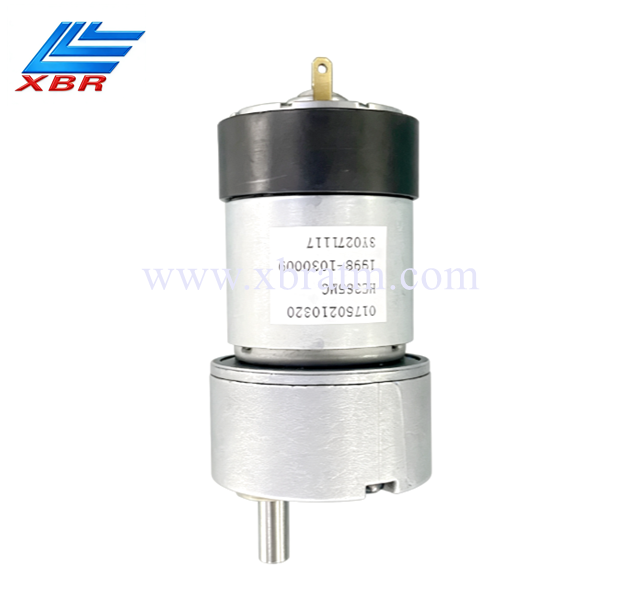
Continuous transaction capability through redundant power supplies, industrial drive motors, and precision gear assemblies designed to withstand tens of thousands of cycles per month.
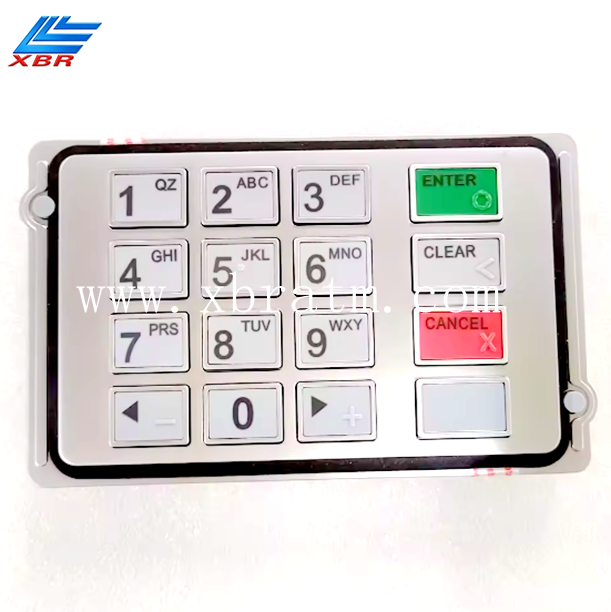
Keeping terminal hardware compliant with current cryptographic mandates via certified PCI-PTS encrypting PIN pads, anti-skimming bezel arrays, and optical privacy screening panels.
Extending multi-thousand-dollar terminal chassis lifespans by up to 7-10 years using refurbished, generic new, and original OEM modular subsystem swaps instead of premature full machine replacements.
Several underlying market drivers govern the current industrial landscape of financial terminal maintenance and hardware updates. First, the widespread adoption of Cash Recycling Machines (CRMs) has altered the mechanical complexity of terminal maintenance. Unlike traditional single-direction cash dispensers, modern cash cyclers utilize bi-directional transport paths, multi-wavelength infrared banknote validators, and dynamic storage cassette modules. These tightly packed mechatronic subassemblies encounter far greater physical wear, necessitating precise replacement of timing belts, transport rollers, pick valves, and sensor alignments.
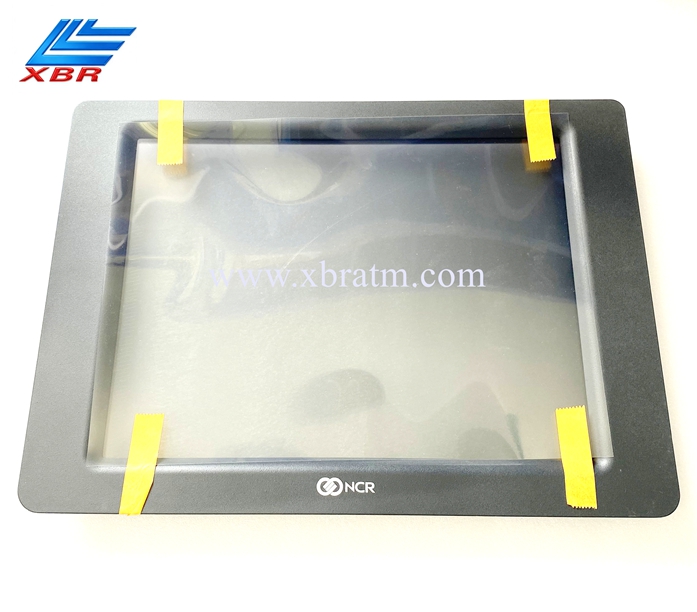
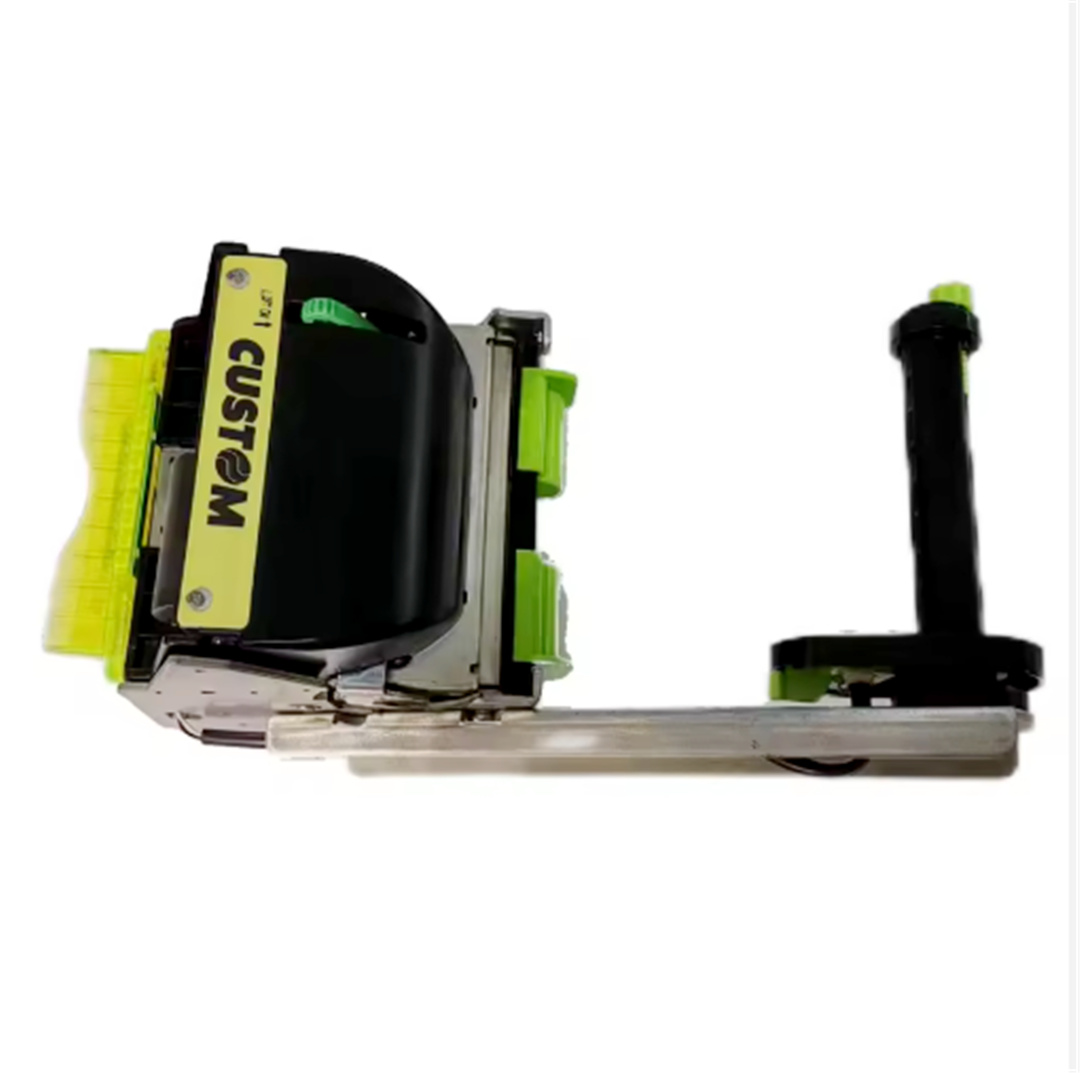
Second, operating system migrations—particularly the move toward modern 64-bit platforms and enhanced virtualization layers—demand substantial compute core and display interface overhauls. Aging resistive screens are rapidly swapped for responsive projected capacitive (PCAP) 15-inch or 19-inch touch assemblies equipped with physical privacy filters to meet contemporary accessibility standards and anti-shoulder-surfing security rules. Simultaneously, legacy serial and parallel communication protocols are continuously retrofitted with modern USB, RS232, and high-speed Ethernet controllers across thermal receipt printers, motorized card readers, and bill acceptors.
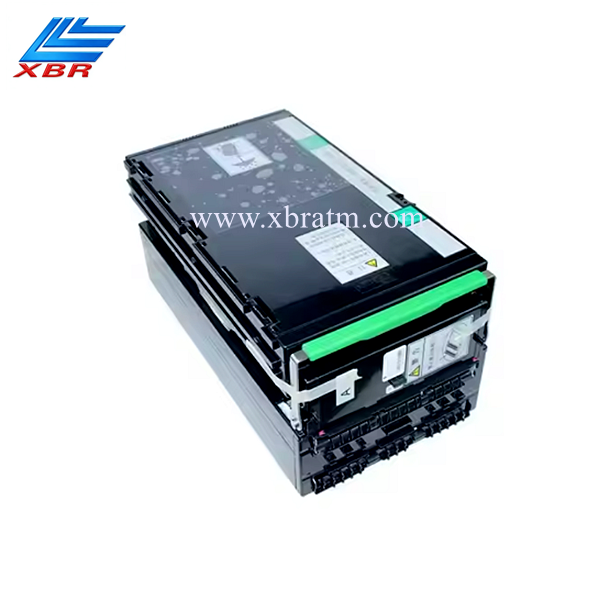
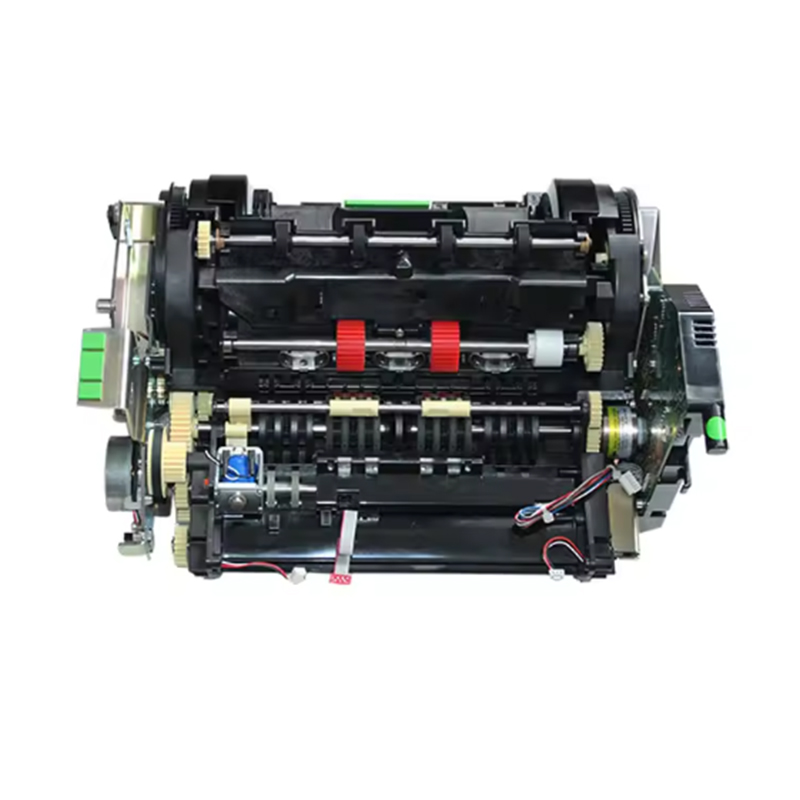
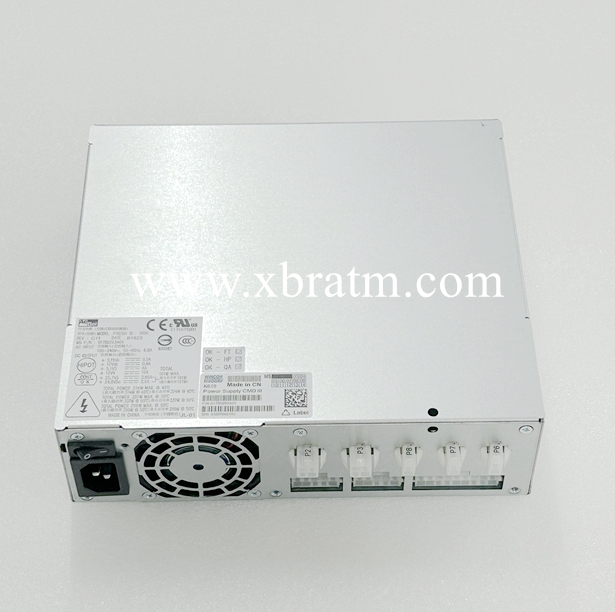
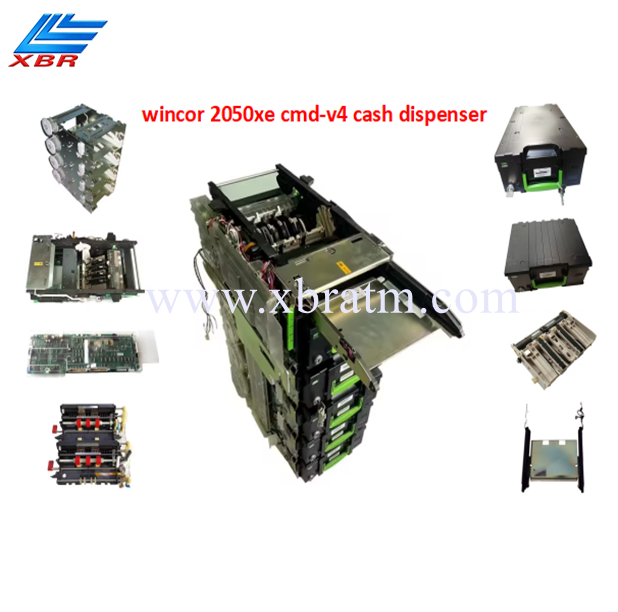
Rather than decomissioning field-proven machine bodies, tier-1 financial hardware engineers rely on certified plug-and-play modules: complete cash dispensing engines (such as the CMD-V4 series), modular power supply racks, high-torque transport motors, and high-capacity deposit cassettes. This modularity reduces field technician repair times from hours to under 20 minutes, directly mitigating lane congestion and security exposure during in-field servicing.
The operational scope of financial terminal refurbishment reaches across several diversified operational environments, each presenting unique engineering demands:


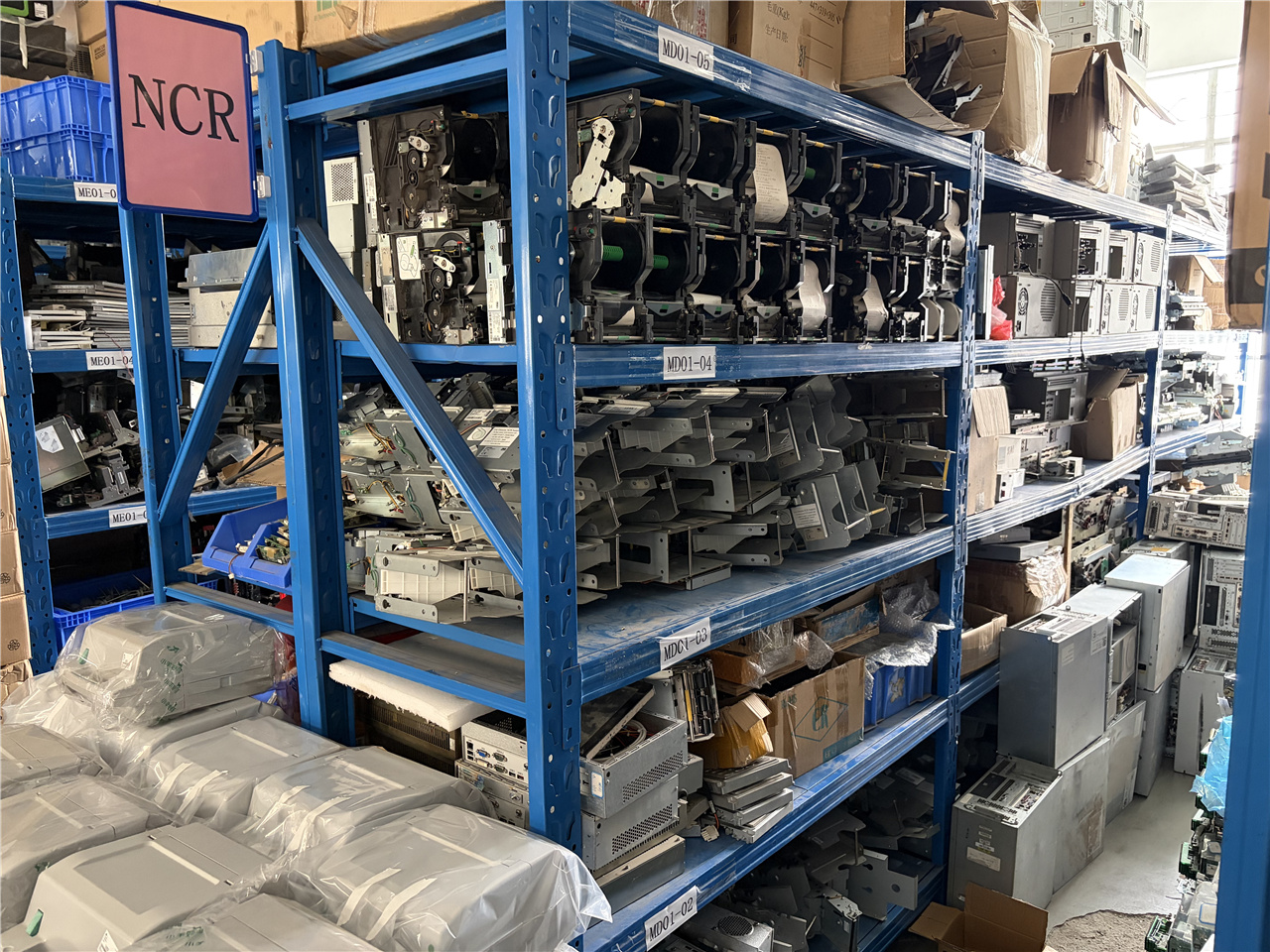
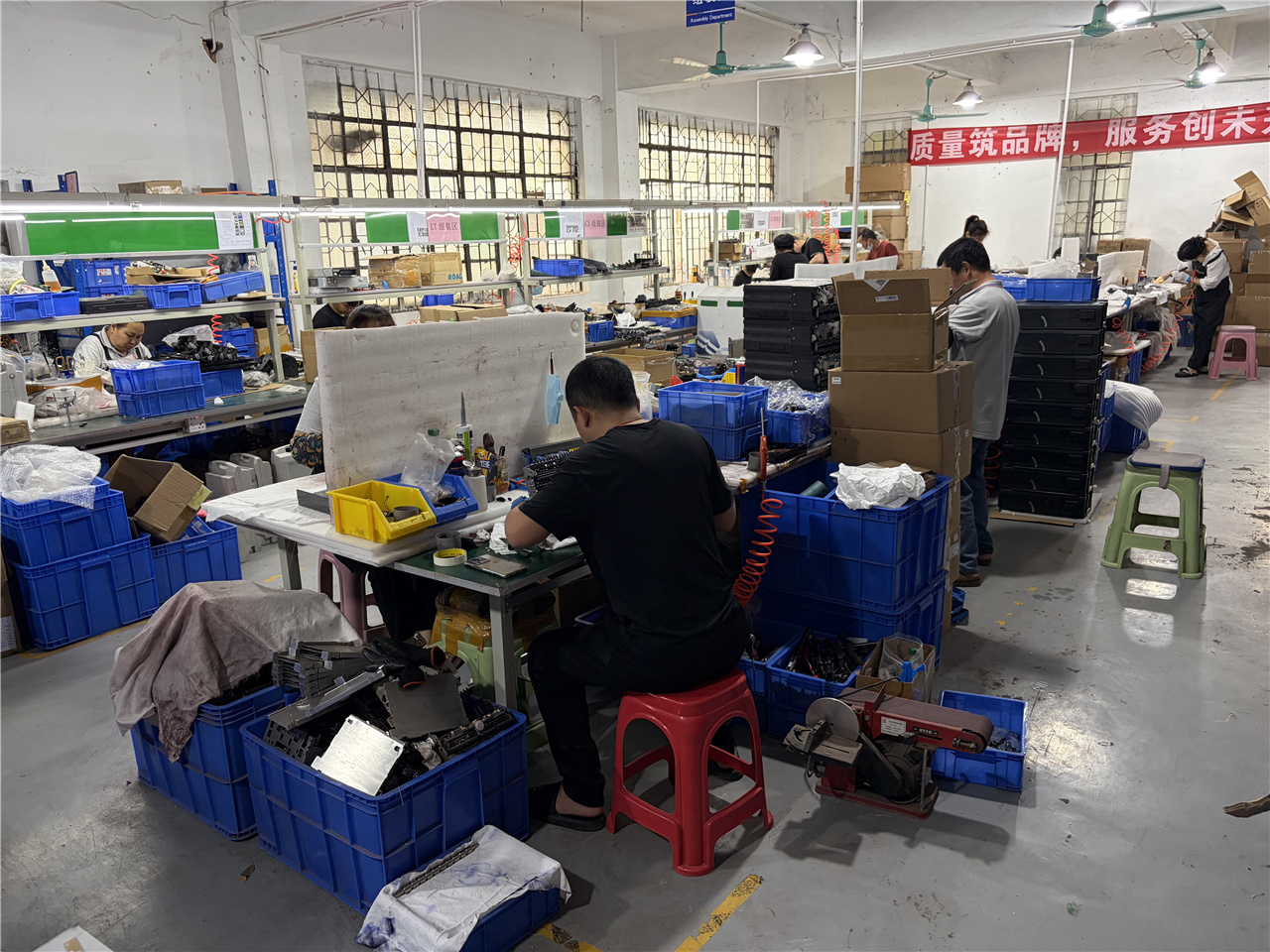
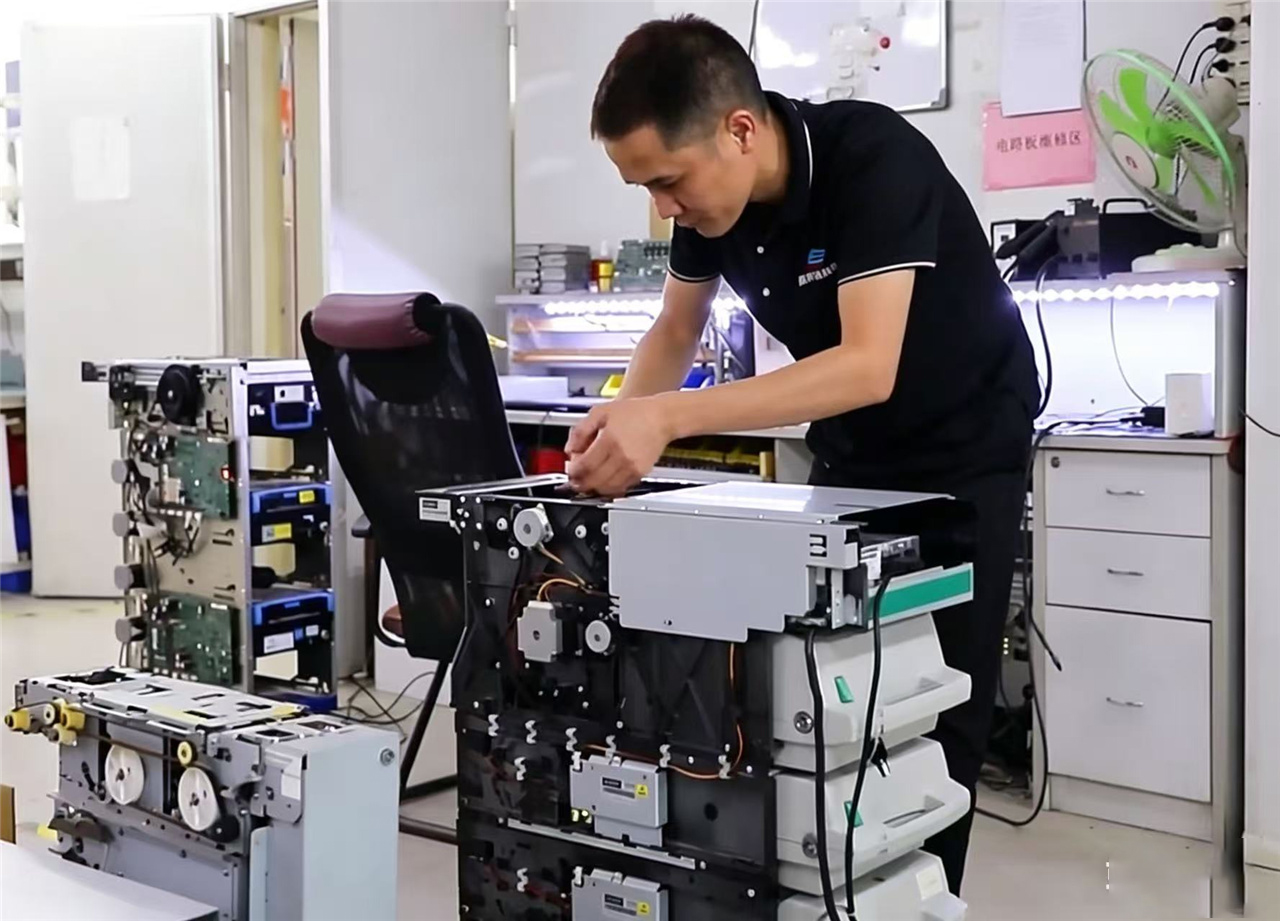
Authentic and reconditioned field-replaceable units (FRUs) in stock for rapid international distribution