Follow us:

Leave Your Message
-
Whatsapp

-
WeChat



Discover high-uptime cash handling, note validation, and secure payment modules engineered to operate seamlessly inside 24/7 autonomous retail kiosks.
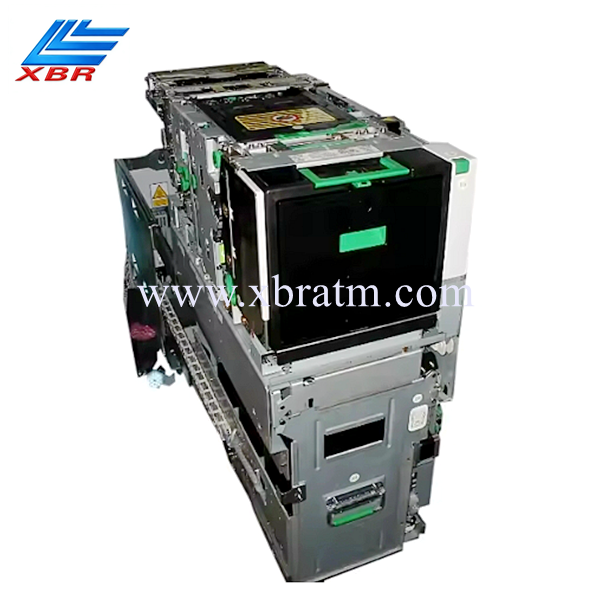
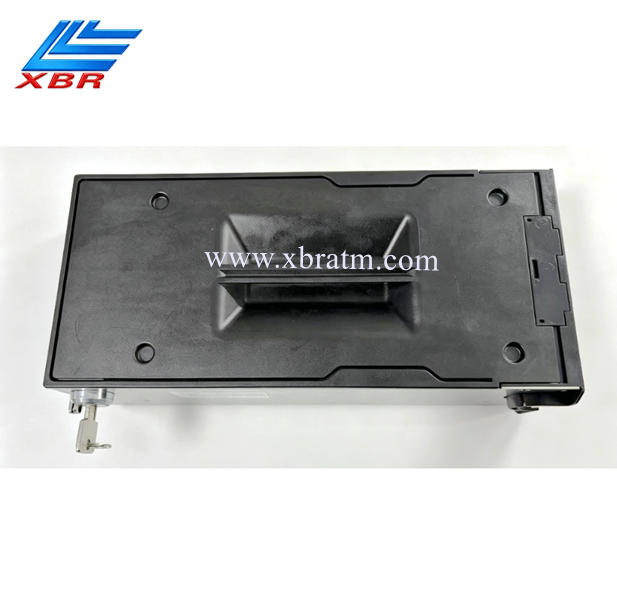
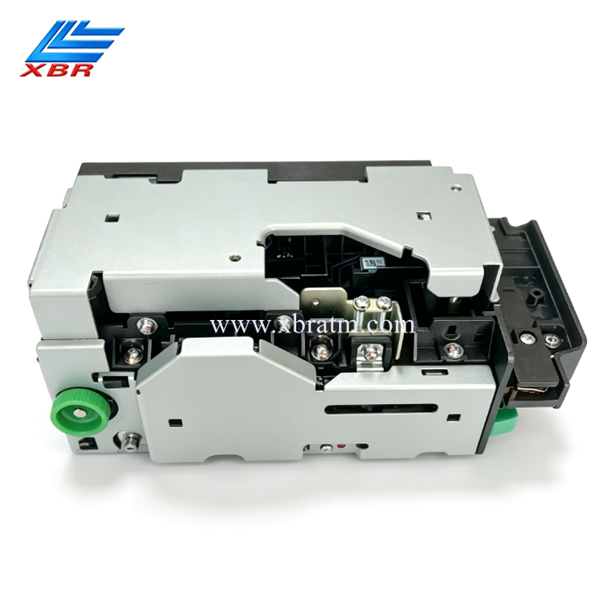
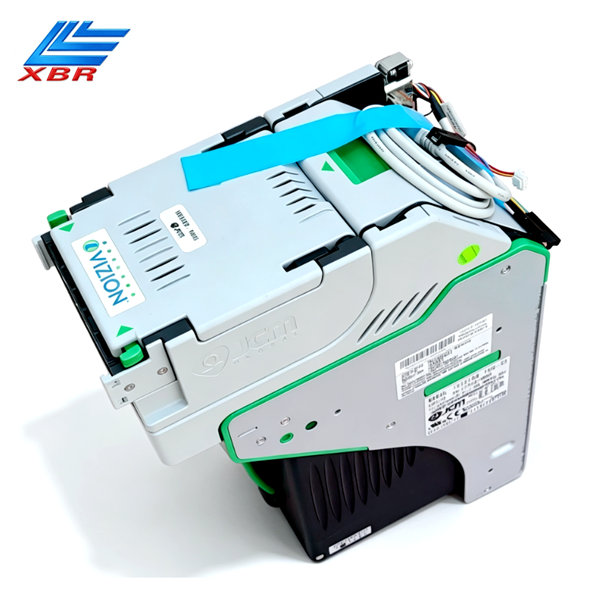
The rapid convergence of automated retail, unmanned micro-markets, and smart kiosk architectures has fundamentally revolutionized global point-of-sale (POS) engineering. Traditionally, Automated Teller Machines (ATMs) were restricted to commercial banking branches, off-premise financial lobbies, and drive-through lanes. However, as the unattended retail store and grab-and-go convenience micro-market sectors experience double-digit compound annual growth rates (CAGR), retail engineers and commercial fleet operators are rapidly discovering that conventional retail-grade card swipes and light-duty bill acceptors cannot withstand the high-velocity, 24/7 continuous duty cycles demanded by unstaffed environments.
In fully automated retail stores—such as modular container shops in residential complexes, 24-hour unstaffed airport pantries, industrial workforce micro-markets, and automated pharmacy lockers—payment terminals must satisfy an uncompromising set of criteria: zero downtime, impenetrable physical and cryptographic security, complete payment versatility (integrating cash recycling, contactless EMV, NFC, and QR codes), and minimal requirement for manual replenishment. Industrial ATM payment machines and heavy-duty ATM sub-modules provide the battle-tested reliability, standardized CEN/XFS protocols, and optical sensing precision required to achieve true operational autonomy.
Eliminates 70% of Cash-in-Transit (CIT) logistics costs by instantly verifying, sorting, and redispensing deposited notes as change for subsequent transactions inside automated micro-markets.
Hardened CEN-safe enclosures, optical anti-stringing mechanisms, and PCI-PTS certified encrypting PIN pads protect unmanned storefronts from vandalism, skimming, and note manipulation.
Seamlessly synchronizes cash-in/cash-out mechanisms, contactless EMV, mobile wallets, and closed-loop campus smartcards via standard CEN/XFS and industrial serial communication layers.
A prevalent misconception in modern retail digitalization is the assumption that automated retail is exclusively cashless. While mobile tap-to-pay and credit card interfaces are vital, comprehensive global deployment data proves that cash exclusion directly leads to abandoned carts, demographic alienation, and regulatory non-compliance. In numerous jurisdictions—including multiple U.S. states, European metropolitan regions, and transit hubs across the Asia-Pacific—legislative mandates legally enforce the acceptance of cash at brick-and-mortar and unmanned storefronts to guarantee financial inclusion for the underbanked, elderly populations, and international travelers lacking local digital banking apps.
Furthermore, in specialized high-ticket unstaffed vending—such as gold bullion dispensers, high-end electronics micro-markets, luxury cosmetic automats, and licensed dispensary lockers—cash transactions represent up to 35% of total gross sales volume. Without an industrial-grade bill recycling engine such as the Fujitsu G610 or a high-resolution optical validator like the JCM iVIZION-100-SS, automated store operators are forced to either absorb exorbitant merchant card-swipe interchange fees (often 2.5% to 4%) or suffer lost sales when network gateways experience connectivity dropouts.
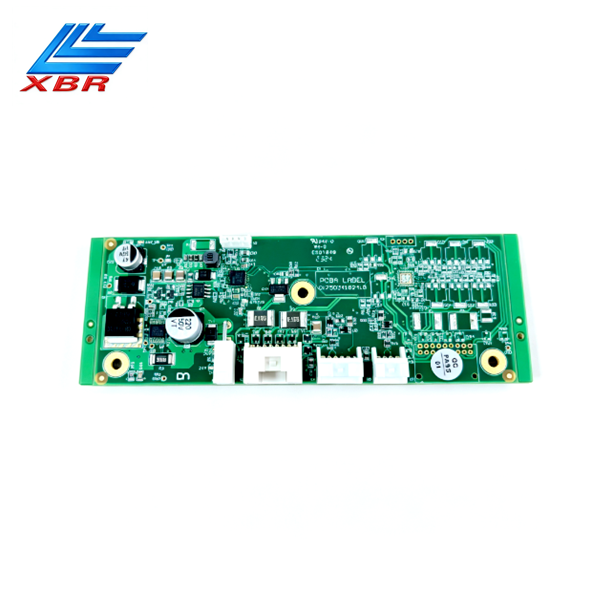
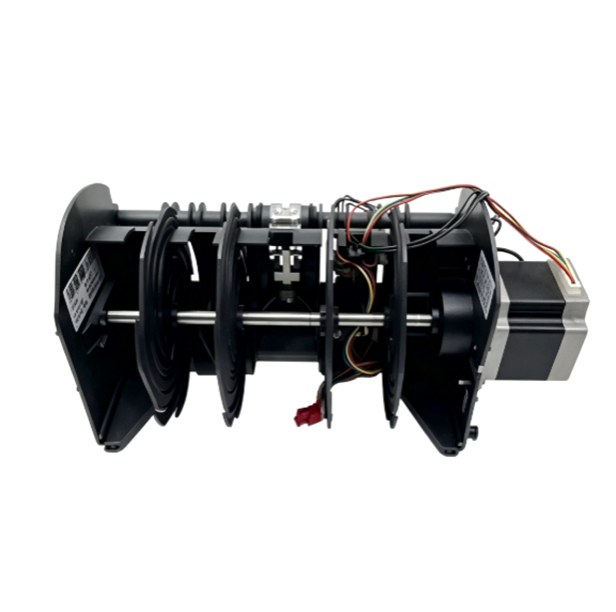
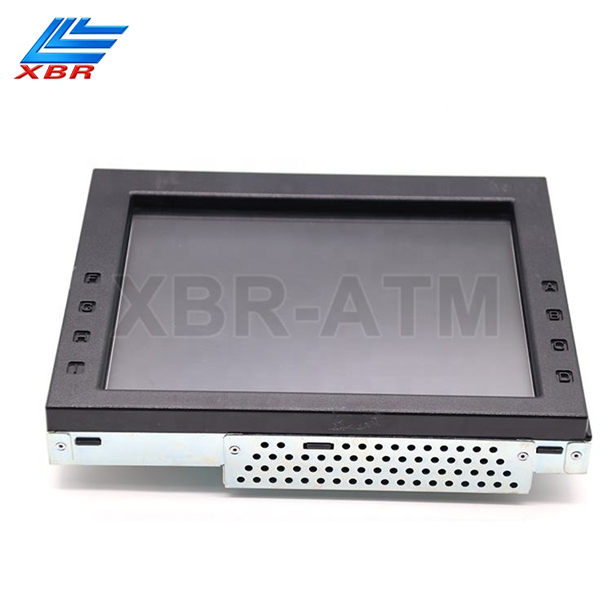
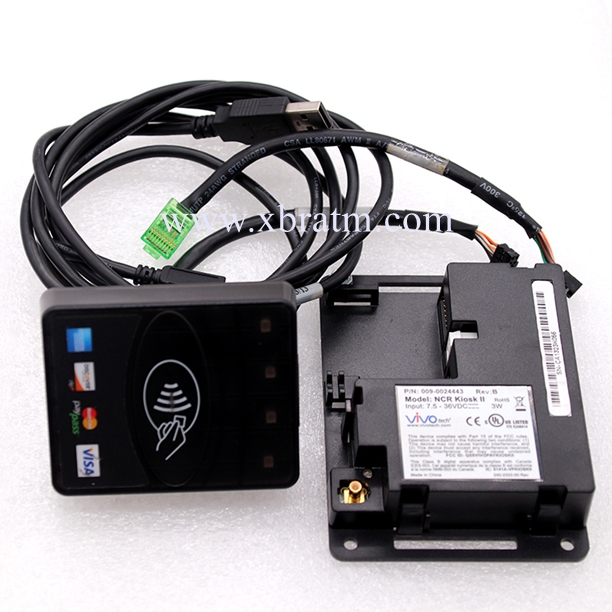
Designing an unattended micro-retail payment terminal requires combining specialized ATM sub-assemblies into a cohesive, tamper-proof, and fault-tolerant system. Each component serves a distinct role in maintaining the continuous operation of the automated store:
Repurposed shipping containers and prefabricated glass modular pods are transforming food deserts, train terminals, and residential developments into 24-hour self-service grocery stores. In these compact, unmonitored structures, physical footprint is at a premium. An integrated ATM payment machine functions simultaneously as the automated self-checkout payment station and a neighborhood mini-ATM, generating secondary surcharge revenues for the store operator while facilitating micro-purchases of dairy, beverages, and household goods.
High MTBF (Mean Time Between Failures) cash dispensing stackers, such as the Glory NMD NS200, ensure that even under aggressive seasonal demand or high peak-hour throughput, bill jamming is statistically eliminated.
Transit hubs cater to international travelers who possess diverse payment methods, physical foreign currencies, and differing digital wallet protocols. Standard retail POS systems frequently fail when international cards encounter regional bank authentication limits or roaming data outages.
An ATM-grade automated payment kiosk outfitted with multi-currency optical bill validators allows transit travelers to pay with leftover physical cash from their trips, dispense exact local currency change, or leverage secure NFC contactless payment effortlessly, maximizing impulse sales for travel retailers.
Modern factories, logistics fulfillment centers, and tech campuses operate across continuous 3-shift schedules where operating an attended cafeteria is economically non-viable. Micro-markets situated in breakrooms rely on automated kiosks that accept RFID employee badges, prepaid payroll deductions, credit cards, and cash.
By deploying robust cash-recycling ATM payment kiosks, manufacturing facilities provide frictionless 24/7 dining access for blue-collar staff who frequently prefer cash settlement, eliminating administrative burdens on facility human resources.
From automated prescription medication lockers outside clinics to temperature-controlled automated wine cellars and dispensary dispensing kiosks, high-value goods require strict auditing, identity validation, and tamper-resistant cash enclosures.
Deploying Diebold Nixdorf or Wincor level hardware components guarantees that every physical interaction—from currency validation to encrypted PIN input—complies with rigorous international safety and anti-manipulation benchmarks.


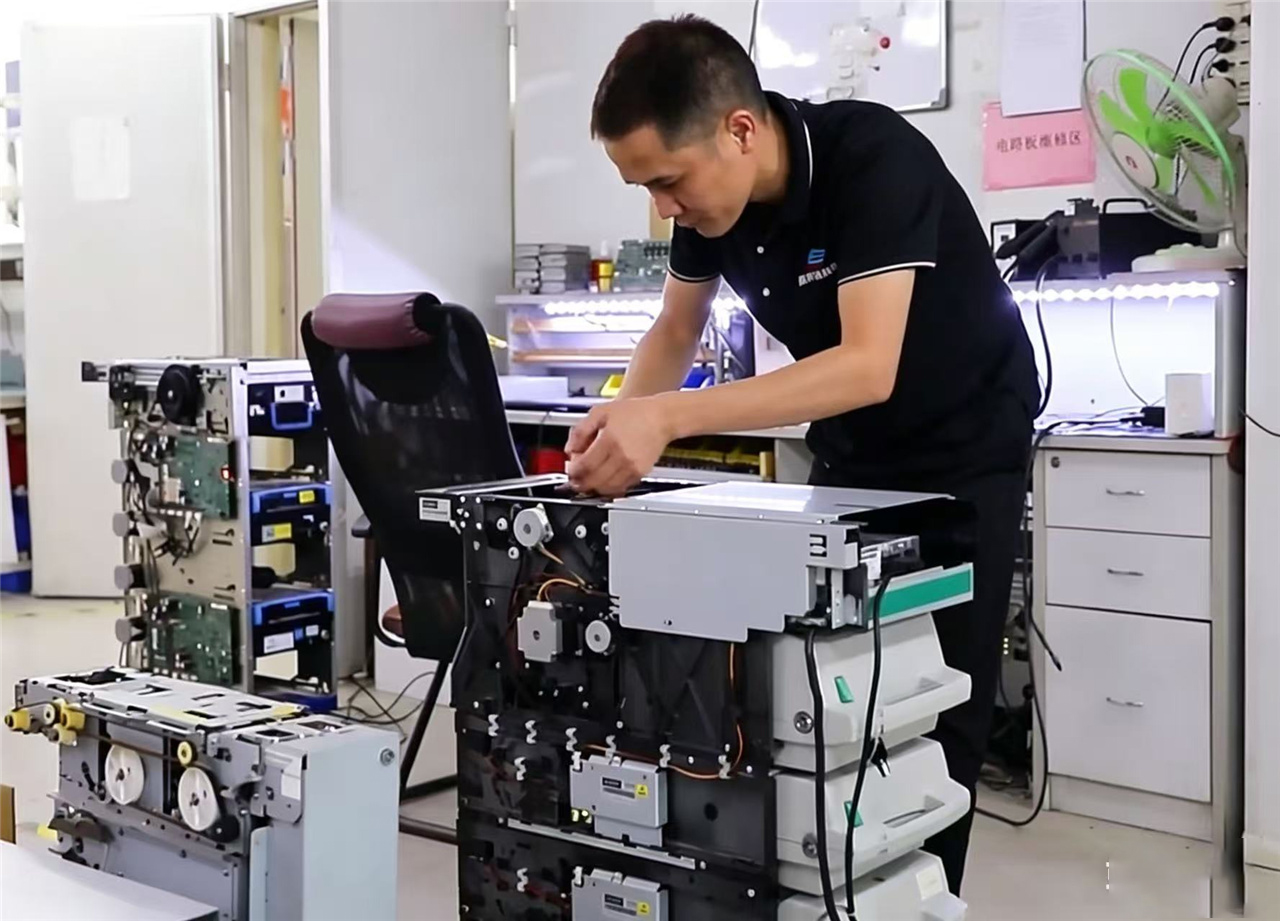
End-to-end hardware manufacturing, precision component refurbishment, rigorous stress testing, and global logistics for automated retail and banking infrastructures.
Customized atm parts according to the drawings, samples, or other technical requirements.
Replace all old parts to make them work properly and clean modules to make them look like new.
100% inspection and testing before shipment to ensure all parts meet customer requirements.
Quick response and professional quotation within 24 hours.
Most of samples (small spare parts) are free for testing before mass order.
Most of the products are available in stock, lead time within 3-7days.
Multiple shipping methods (express, air, sea) to meet your different delivery time and budget needs.
Technical support and warranty service to ensure long-term cooperation with every customer.
As unattended micro-retail transitions from experimental pilot programs into mainstream commercial infrastructure, payment kiosks are evolving from passive transaction terminals into intelligent, edge-connected IoT gateways. Modern unattended retail operators manage distributed fleets consisting of hundreds—sometimes thousands—of dispersed retail micro-stores. Visiting each site to clear bill jams, check cassette capacities, or update firmware represents an unsustainable operational expenditure.
The modern generation of ATM payment machines integrates advanced remote telemetry frameworks. Utilizing standardized CEN/XFS software stacks coupled with cloud-based diagnostic dashboards, fleet managers receive real-time granular analytics concerning:
While card-only POS kiosks appear superficially cheaper in initial hardware cost, a thorough 36-month lifecycle TCO analysis demonstrates that hybrid ATM payment kiosks deliver a markedly superior return on investment. First, by avoiding standard credit card interchange fees on cash transactions, operators retain 100% of cash margins. Second, automated cash recycling eliminates up to 60-70% of armored car service calls compared to traditional cash-accepting safes. Finally, by welcoming all consumer demographics regardless of credit status, micro-markets capture an average 18% to 27% increase in total store revenue.
We further expanded our production capacity and officially relocated our production base to Dongguan. This strategic move has significantly upgraded our service capabilities, enabling faster delivery speed, a larger inventory scale (with over 3,000 product items in stock), and higher manufacturing efficiency. Currently, we have a professional team of over 50 employees, who are dedicated to providing high-quality services for every customer.
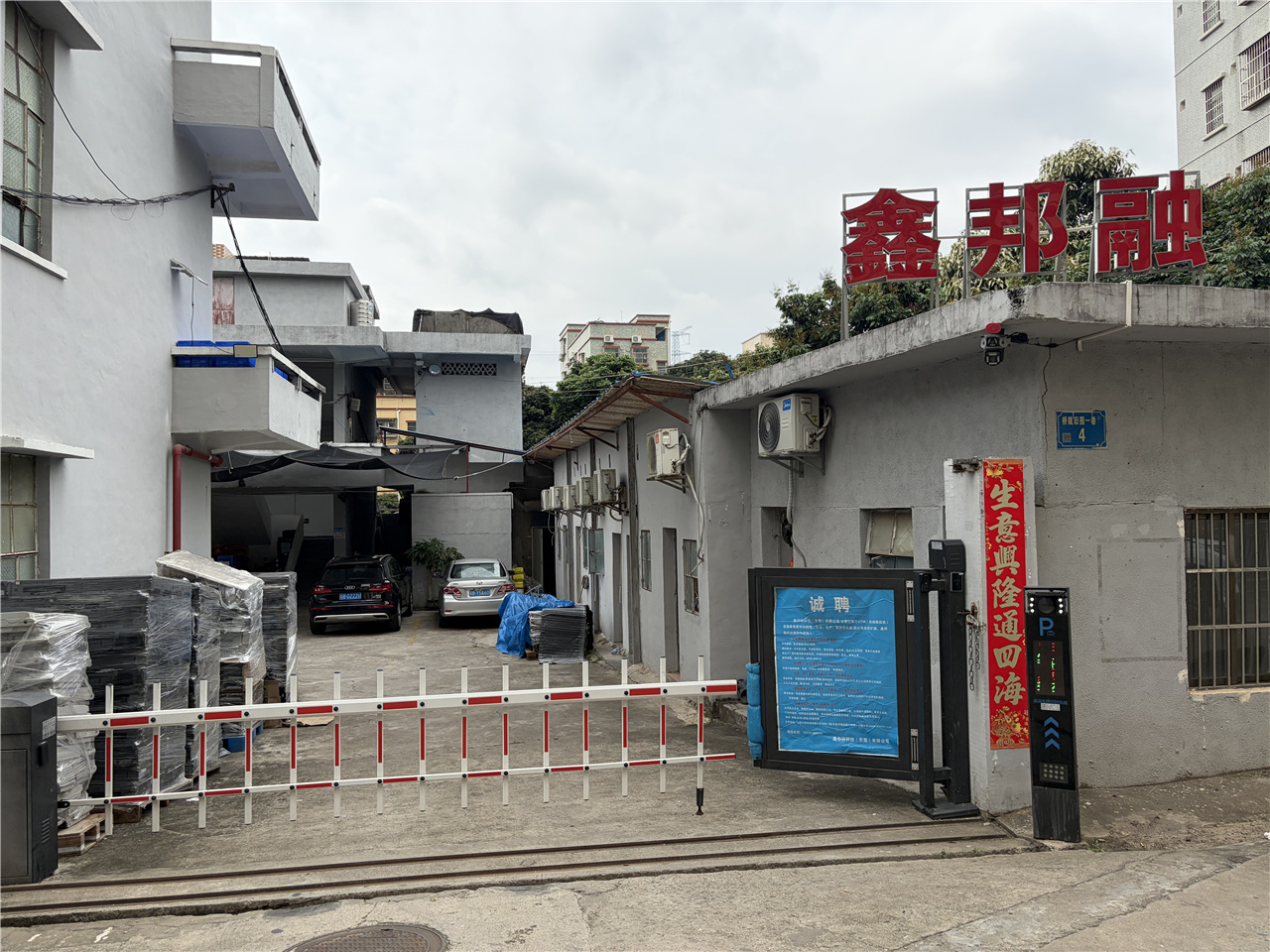
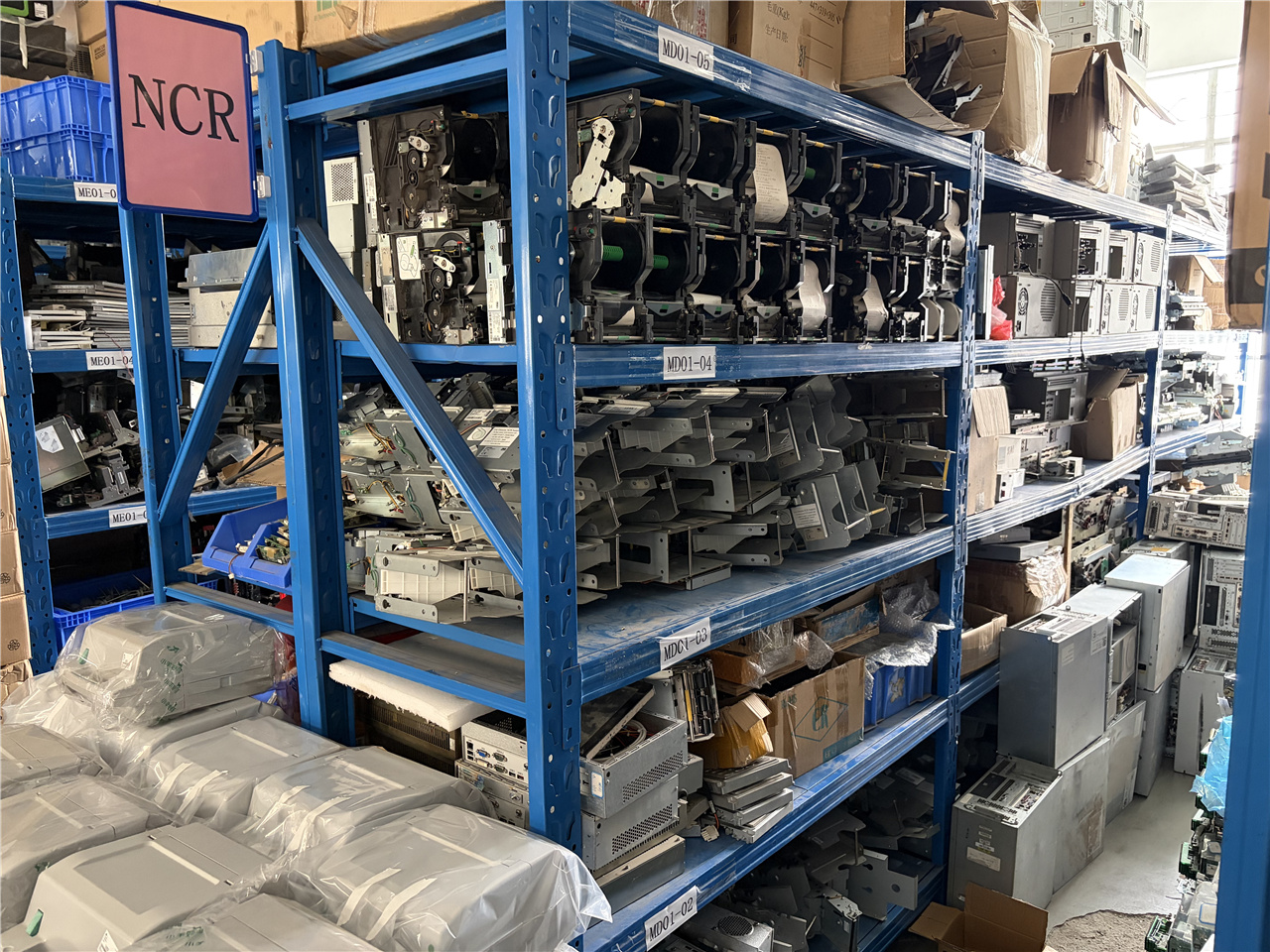
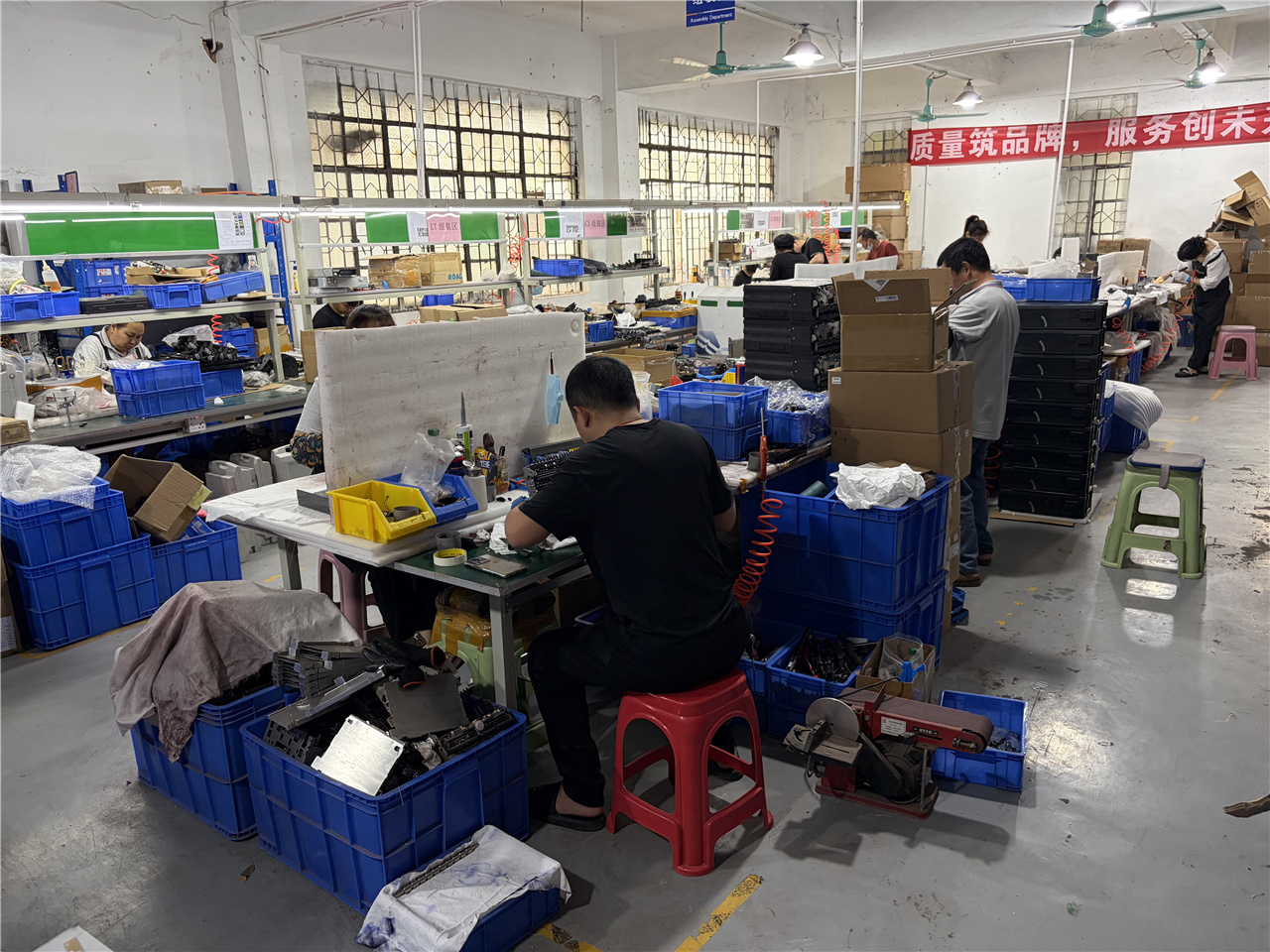
Explore our complete catalog of precision ATM parts, banknote dispensers, secure cash recyclers, and interactive peripheral controllers built for reliable unattended operations.