Follow us:

Leave Your Message
-
Whatsapp

-
WeChat



Engineered to deliver high physical and electronic tamper protection across multivendor ATM architecture.
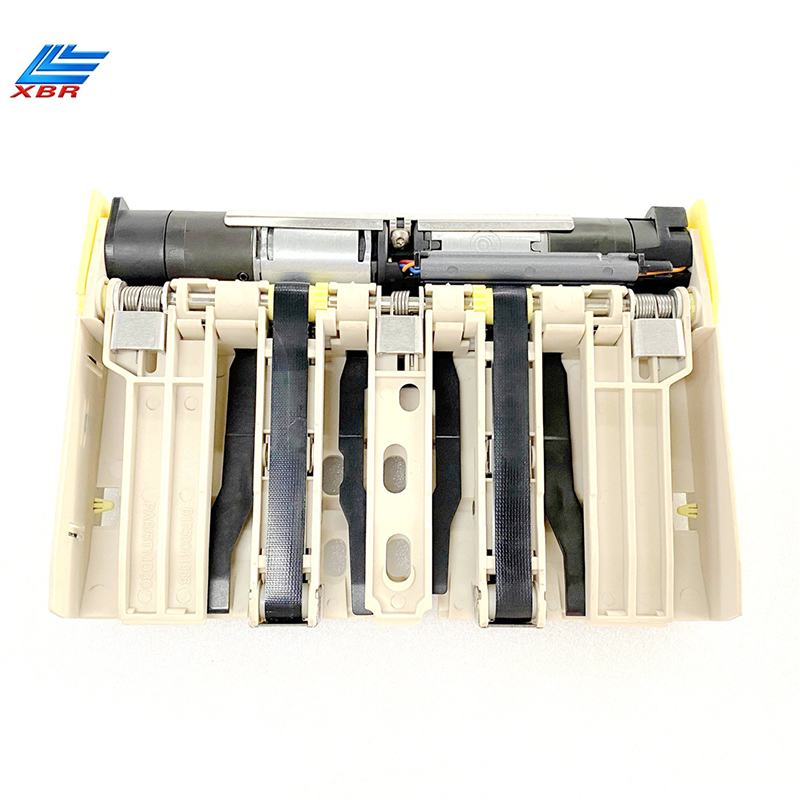
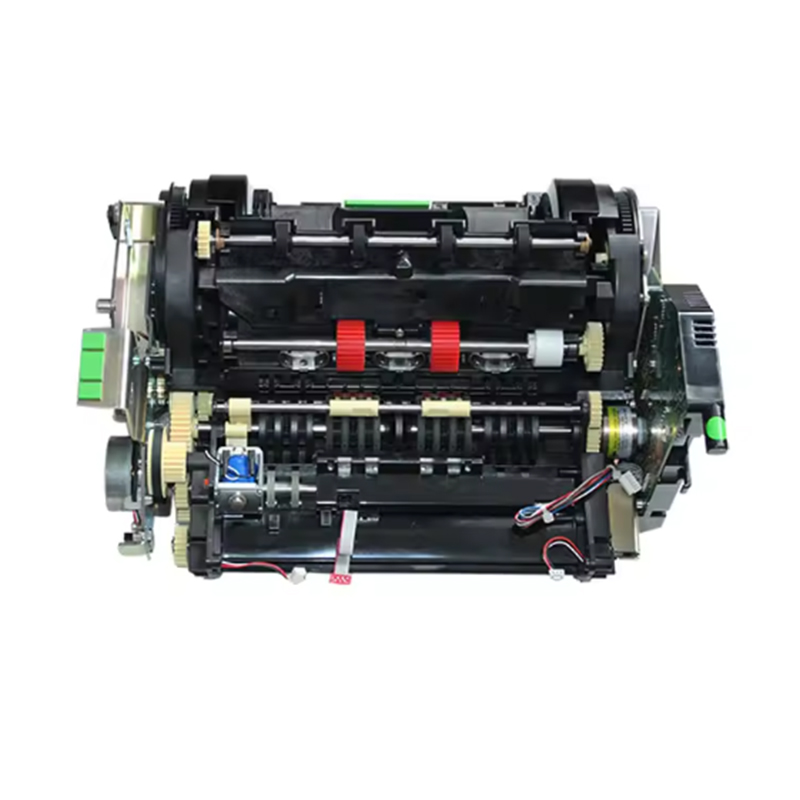
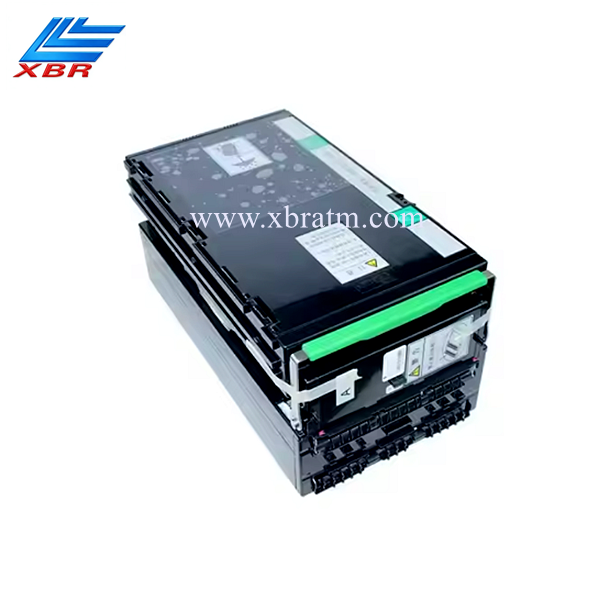
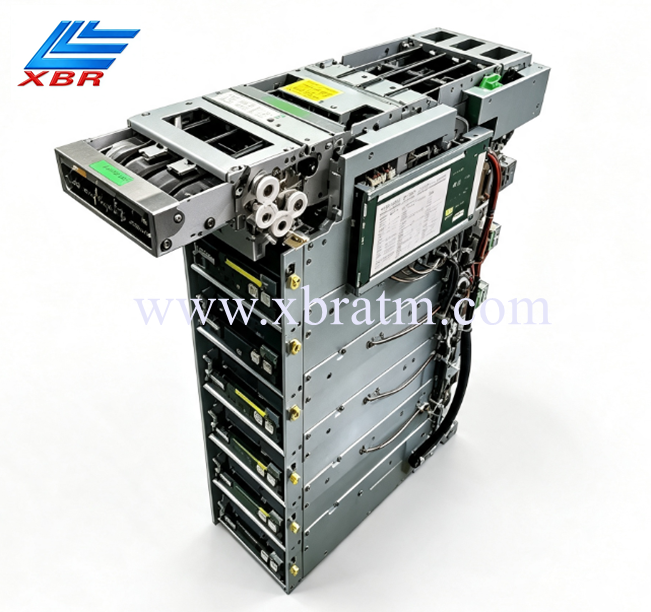
Analysis of evolving financial fraud vectors and modular retrofit security deployments on legacy fleet terminals.
Meeting mandate requirements through cryptographically coupled physical sensors and instant zeroization routines upon chassis breach.
Combating ultra-thin flexible membrane sniffers and false 3D-printed bezels with capacitive dynamic sensing and flush-mount chassis.
Synchronizing card-reader jammer modules with EPP privacy shields to prevent synchronized PIN snooping and camera reconnaissance.
Financial institutions worldwide operate large fleets of automated teller machines that were manufactured under operational paradigms that assumed physical isolation would guarantee physical integrity. Over the past decade, organized financial cybercrime syndicates have evolved their tactics dramatically. The attack surface has expanded from clumsy external skimming bezels to sophisticated, paper-thin "deep-insert" skimmers (shimmers) nestled within card reader entry throats, paired symbiotically with micro-pinhole cameras or flexible overlay keypads positioned directly atop the legitimate ATM machine keypad.
An ATM machine keypad is not simply an array of mechanical switches; it functions as an Encrypted PIN Pad (EPP)—the foundational root of trust inside the terminal fascia. When an adversary deploys a silicone or printed-circuit overlay directly over the keypad, the cryptographic protections running internally within the secure module are effectively bypassed at the physical interface layer. The overlay keypad registers the consumer's mechanical input milliseconds before passing the tactile pressure down to the true keypad beneath. Upgrading the ATM keypad fascia and mounting modern anti-skimming protection devices onto existing ATMs has thus transformed from a periodic maintenance task into a critical defensive mandate.
Retrofitting existing ATM terminals with modernized anti-skimming keypads and complementary sensors eliminates the cost of replacing entire ATM chassis, which can easily exceed tens of thousands of dollars per location. Advanced retrofitting strategies leverage several interconnected defensive tiers:
Modern upgraded EPP units feature embedded surface-capacitance layers integrated directly into the metallic or polycarbonate bezel frame. If a skimming overlay is affixed using adhesives or magnetic clips, the altered dielectric constant immediately trips an alert. The keypad can report this anomaly upstream to the central monitoring center or place the ATM into a temporary supervisory out-of-service state before a single PIN compromise occurs.
Camera-based PIN harvesting remains a dominant attack vector because it requires zero physical wiring into the keypad itself. Upgraded keypad units feature ergonomically contoured, steep-angle privacy wings engineered from non-reflective, radio-transparent polymers. These shields are shaped mathematically to obscure lines of sight from overhead false fascias, roof panel fixtures, and brochure holders, while maintaining ergonomic accessibility for wheelchair-bound users and compliance with accessibility regulations (such as ADA and EN 301 549).
Beneath the exterior keys, modern industrial EPP replacements are encased within a continuous, pressurized or flex-circuit active intrusion detection envelope. Any attempt to mill, drill, or slice into the keypad housing to tap the raw matrix traces triggers instant hardware zeroization, permanently flushing the Master Keys, Working Keys, and firmware injection tables into an unrecoverable state within nanoseconds.
As central banks and card payment consortia (Visa, Mastercard, UnionPay, American Express) enforce stricter cryptographic requirements, legacy terminals running Triple DES (3DES) under outdated firmware must migrate toward AES-256 and Remote Key Loading (RKL). Replacing outdated keypads provides banking operators with two major operational advantages:
First, it extends the useful capital lifespan of deployed hardware. Core dispensing mechanisms, motorized card readers, cash recycling boxes, and safe vaults regularly maintain mechanical reliability for 10 to 15 years. Updating the EPP keypad and front-facing customer interaction fascia enables financial institutions to retain their high-value infrastructure while matching or exceeding the security specifications of factory-fresh current-generation ATMs.
Second, unified fleet retrofitting decouples software and firmware migration cycles. High-performance replacement keypads support multi-vendor XFS (eXtensions for Financial Services) drivers, allowing unified security updates across mixed estates containing NCR, Diebold Nixdorf, GRG Banking, Hyosung, and Hitachi terminals without architectural vendor lock-in.
Field installations vary across environmental exposure and geographical vulnerability profiles, demanding tailored keypad security retrofits:
Through-The-Wall (TTW) Street-Facing Walk-Up ATMs: These units are exposed to weather extremes, physical violence, and unattended night tampering. Upgraded keypads for this environment utilize vandal-resistant stainless steel keycaps rated to IK10 impact resistance, IP65 ingress sealing against liquid chemical injection, and integrated perimeter heat sensors to defeat thermal imaging attacks that read residual key warmth after transaction completion.
Off-Premise Retail and Convenience Kiosks: Typically installed in high-foot-traffic retail settings, these ATMs are frequently targeted by quick-mount "snap-on" skimming rigs. Upgrading keypads with interlocking bezel channels makes the structural insertion of third-party overlays physically impossible without triggering visible distortion or mechanical jamming.
Financial Cash-Recycling Lobbies (Drive-Up & Vestibule): Drive-up lanes suffer from oblique viewing angles that make camera surveillance easier for criminals. Here, specialized multi-axis physical shields integrated with intelligent ambient-light disturbance sensors detect artificial illumination profiles typical of covert miniature CMOS pinhole cameras.

Founded in 2014, Shenzhen Xinbangrong Technology Co., Ltd.(XBR) is a dedicated supplier of ATM products. We specialize in supplying reliable atm components for NCR, Wincor Nixdorf, Diebold, GRG, Hyosung, Hitachi, Glory, NMD, OKI, Fujitsu, etc.
Our comprehensive product portfolio covers ATM whole machines, currency exchange kiosks, bitcoin ATMs, bill acceptors, cash dispensers, ATM modules, and various related spare parts. To meet diverse customer needs, we offer flexible supply options: original new, refurbished, generic new, and used components quality supported by our professional technical engineering team for stable quality, strict professional testing, module refurbishment, and customized solutions.
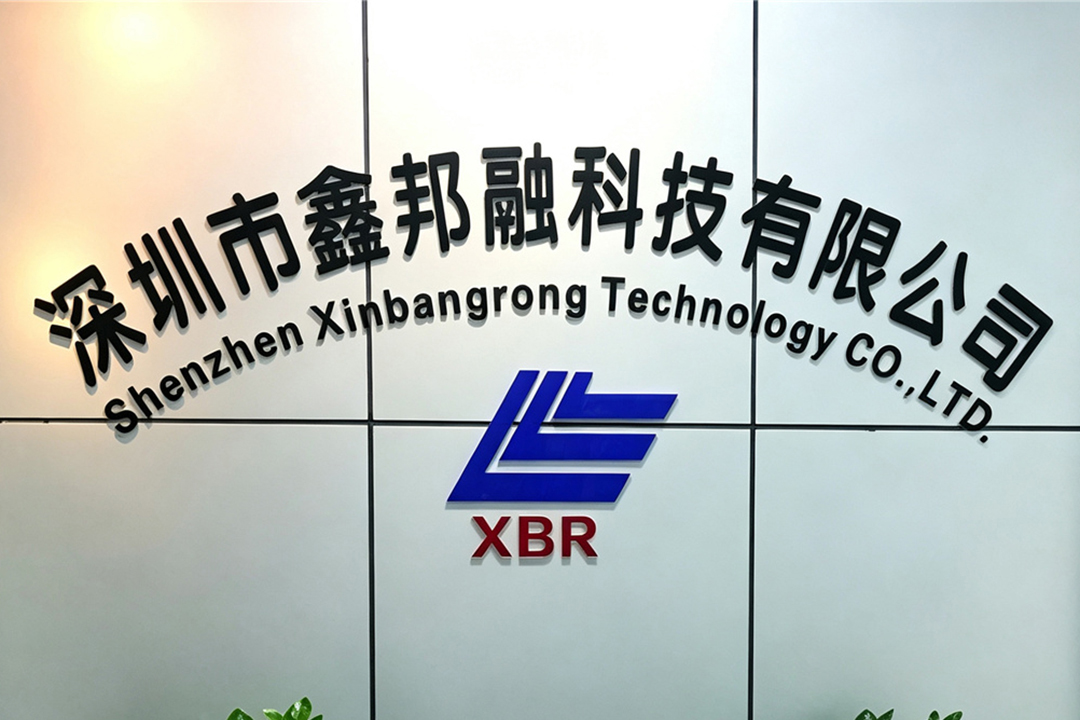

Comprehensive engineering, lifecycle extension, and rapid replacement support for banking hardware worldwide.
Customized atm parts according to the drawings, samples, or other technical requirements.
Replace all old parts to make them work properly and clean modules to make them look like new.
100% inspection and testing before shipment to ensure all parts meet customer requirements.
Quick response and professional quotation within 24 hours.
Most of samples (small spare parts) are free for testing before mass order.
Most of the products are available in stock, lead time within 3-7days.
Multiple shipping methods (express, air, sea) to meet your different delivery time and budget needs.
Technical support and warranty service to ensure long-term cooperation with every customer.
We further expanded our production capacity and officially relocated our production base to Dongguan. This strategic move has significantly upgraded our service capabilities, enabling faster delivery speed, a larger inventory scale (with over 3,000 product items in stock), and higher manufacturing efficiency. Currently, we have a professional team of over 50 employees, who are dedicated to providing high-quality services for every customer.
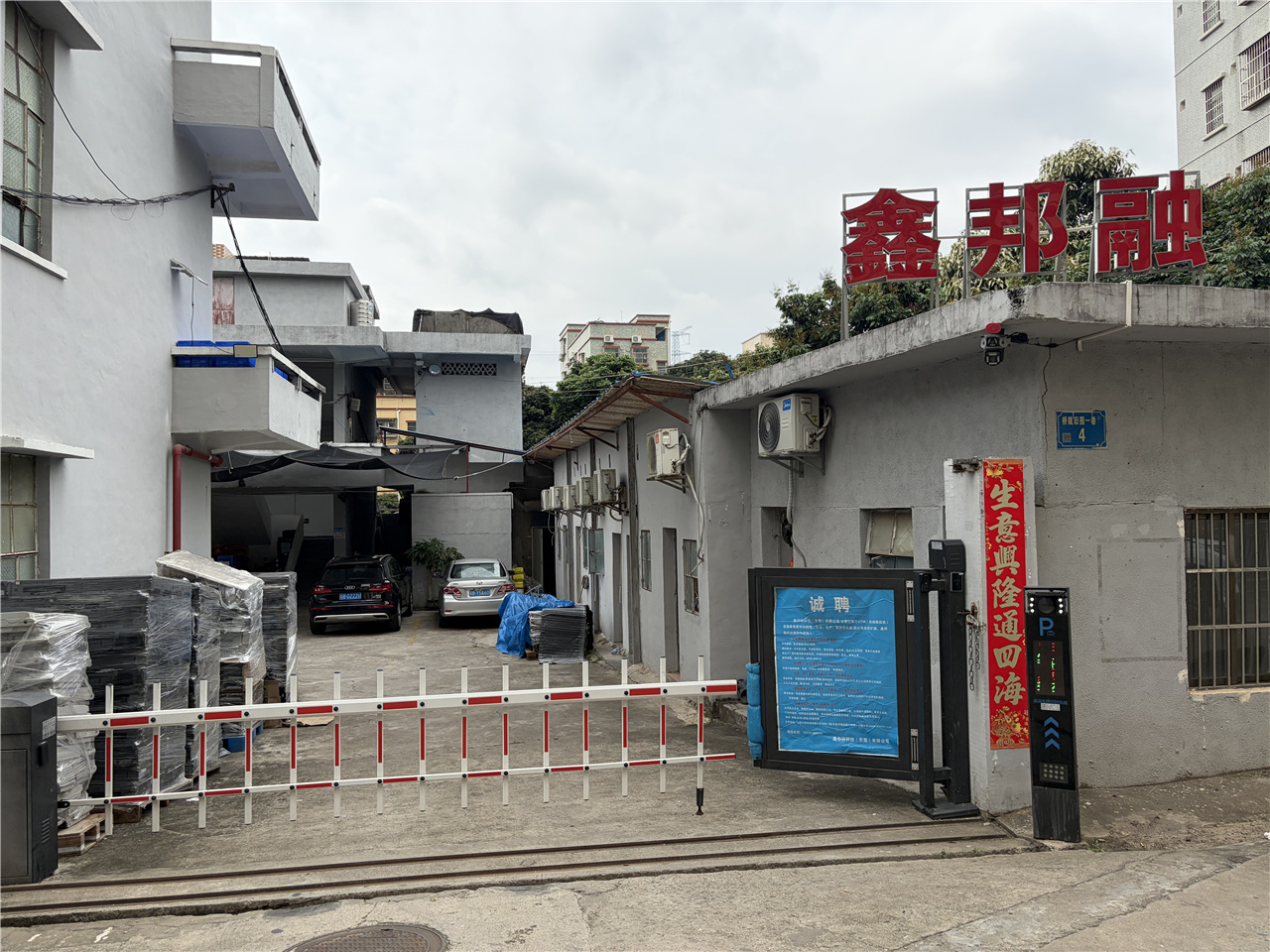
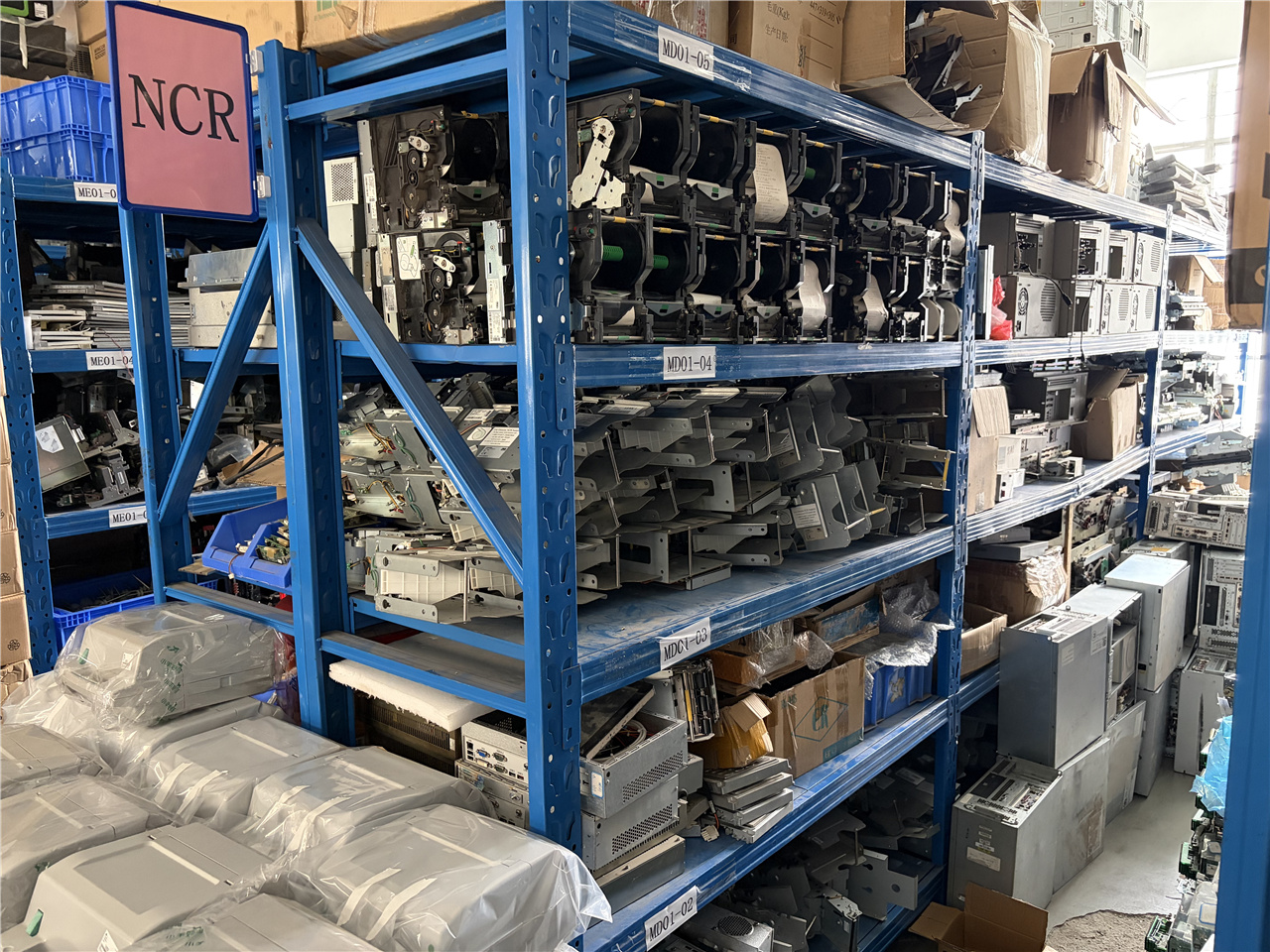
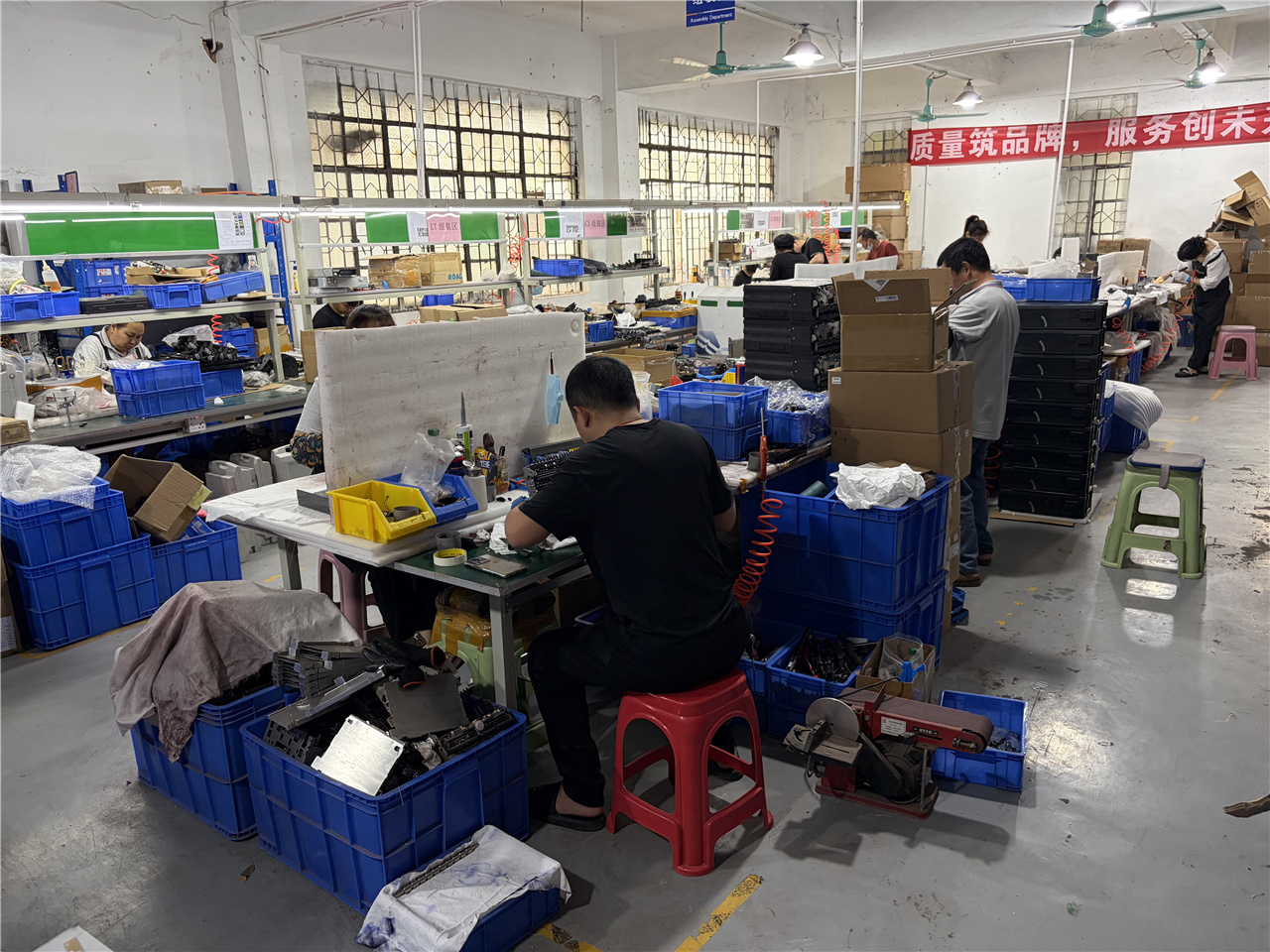
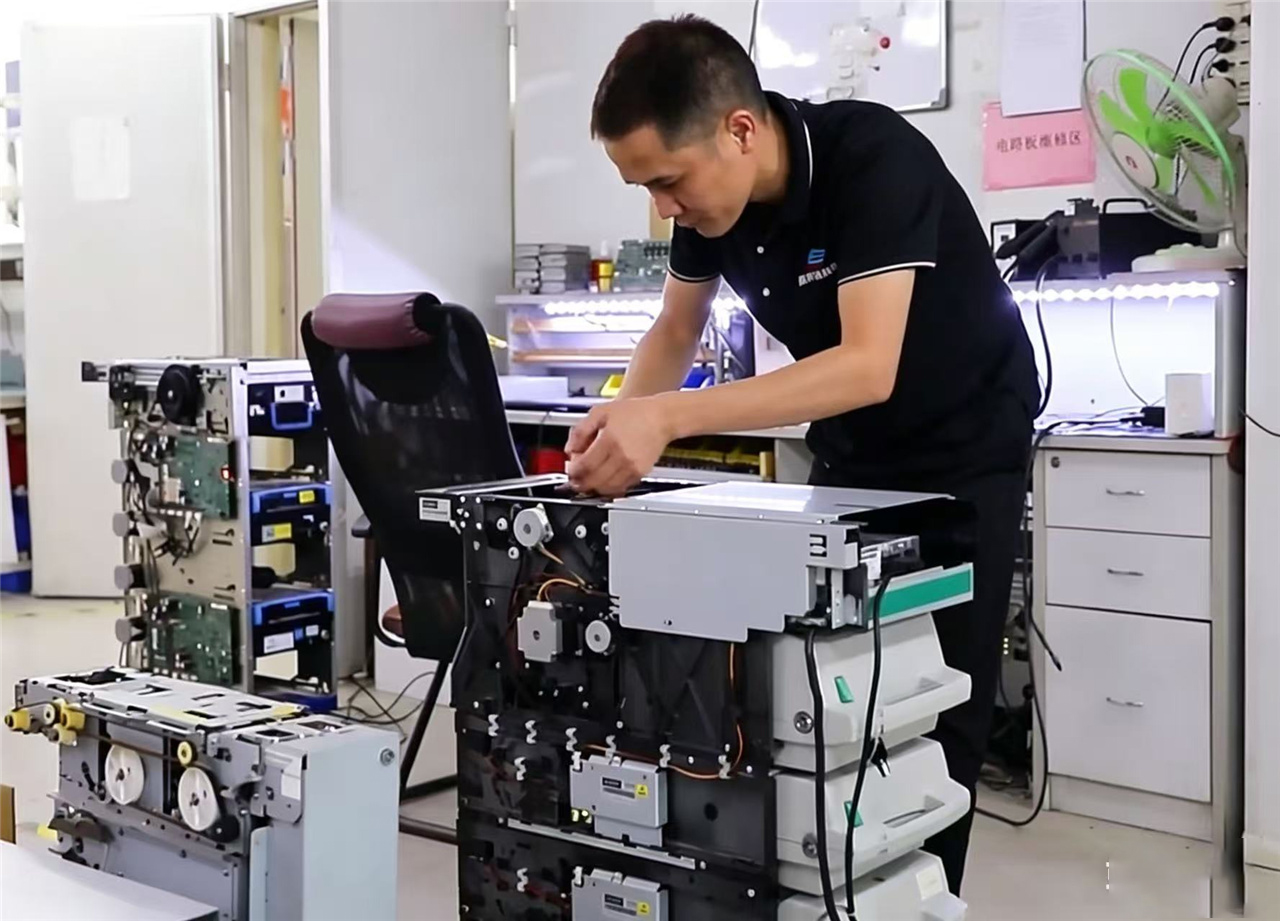
Complete certified replacement solutions engineered for seamless integration across all primary ATM architectures.