Follow us:

Leave Your Message
-
Whatsapp

-
WeChat



In today’s hyper-connected, fast-paced logistics and travel ecosystem, highway service oases and gas stations have evolved from mere refueling stops into multi-functional retail hubs. These locations serve as critical nodes for long-haul logistics drivers, tourists, and daily commuters who require immediate access to convenience items, food services, fuel, and financial transactions. At the heart of this transformation is the integration of advanced ATM device machines and multi-functional self-service retail kiosks.
While digital payments continue to rise, cash remains an indispensable medium of exchange in highway retail environments. Long-distance truck drivers, international travelers, and unbanked or underbanked segments rely heavily on cash for purchases, tips, and emergency services. Consequently, ensuring the continuous, secure, and efficient operation of ATM device machines in these remote or semi-remote locations is paramount for operators looking to maximize customer satisfaction and retail revenue.
Highway service stations operate round-the-clock. ATM components must feature high Mean Time Between Failures (MTBF) to withstand constant use without on-site technical support.
Remote kiosks are primary targets for physical tampering and skimming. Advanced recognition units and secure retract cassettes prevent unauthorized access and fraud.
Reducing Cash-in-Transit (CIT) costs is vital. Bill recycling systems allow deposit cash to be immediately redistributed for withdrawals, optimizing cash flow.
The industrial landscape of highway retail has seen a paradigm shift. Modern service plazas, often referred to as "highway oases," are designed as mini-malls offering diverse dining, retail, and relaxation options. In these spaces, ATM device machines are no longer isolated cash dispensers; they are increasingly integrated into modular, smart retail kiosks that handle multiple transactions, including EV charging payments, toll card top-ups, utility bill payments, and cash withdrawals.
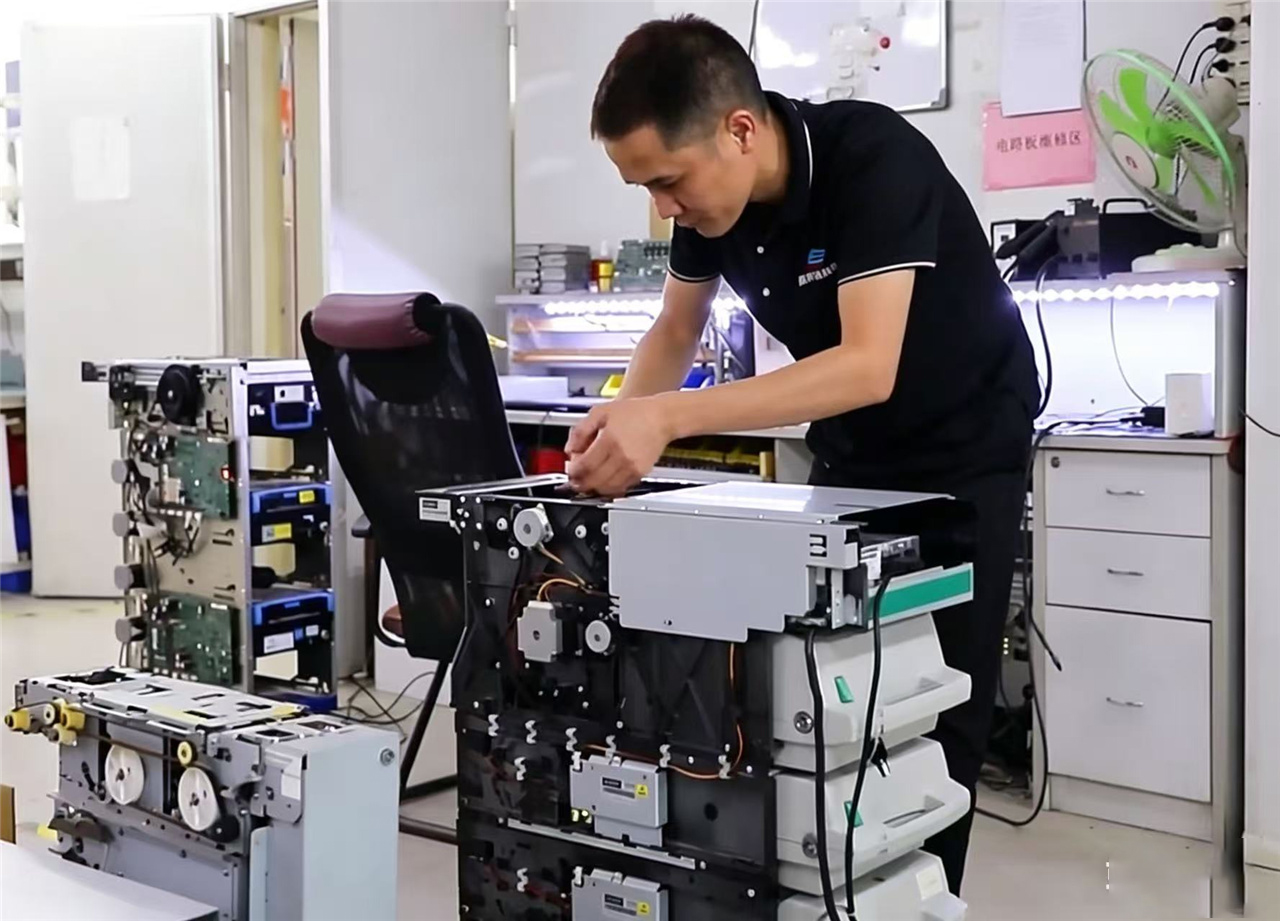
For operators of these vast networks, the key challenge is maintenance and logistics. Unlike city-center bank branches, highway stations are geographically dispersed. Sending a technician to replace a faulty screen or a jammed cassette can take hours and incur significant travel costs. This operational reality has driven the demand for high-reliability, modular ATM components that can be easily diagnosed, serviced, or swapped by local staff or quick-response technicians. This is where specialized suppliers like Shenzhen Xinbangrong Technology Co., Ltd. (XBR) play a critical role, providing the global market with robust, tested components that guarantee system uptime.
To stay competitive, travel plaza operators and ATM deployers are embracing several key technological advancements:
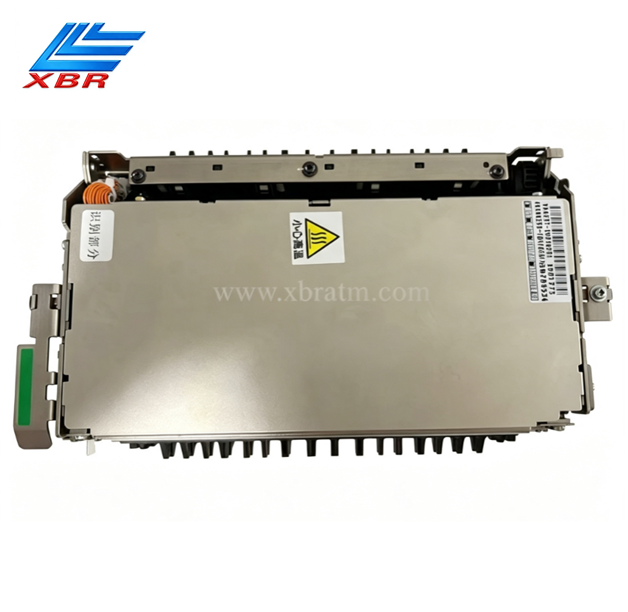
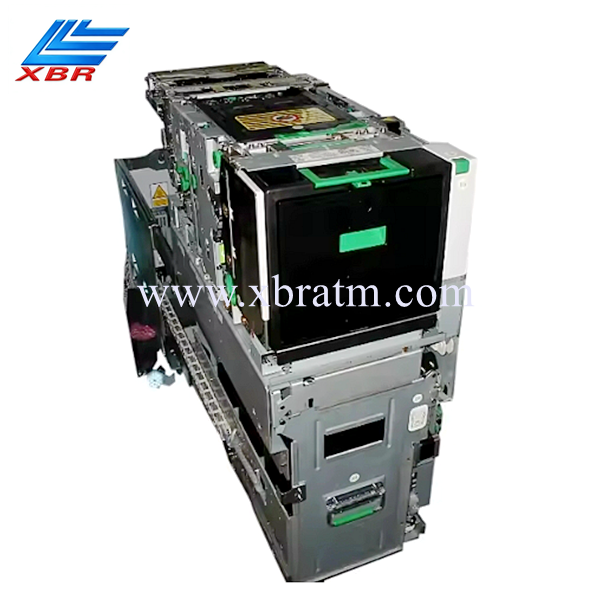
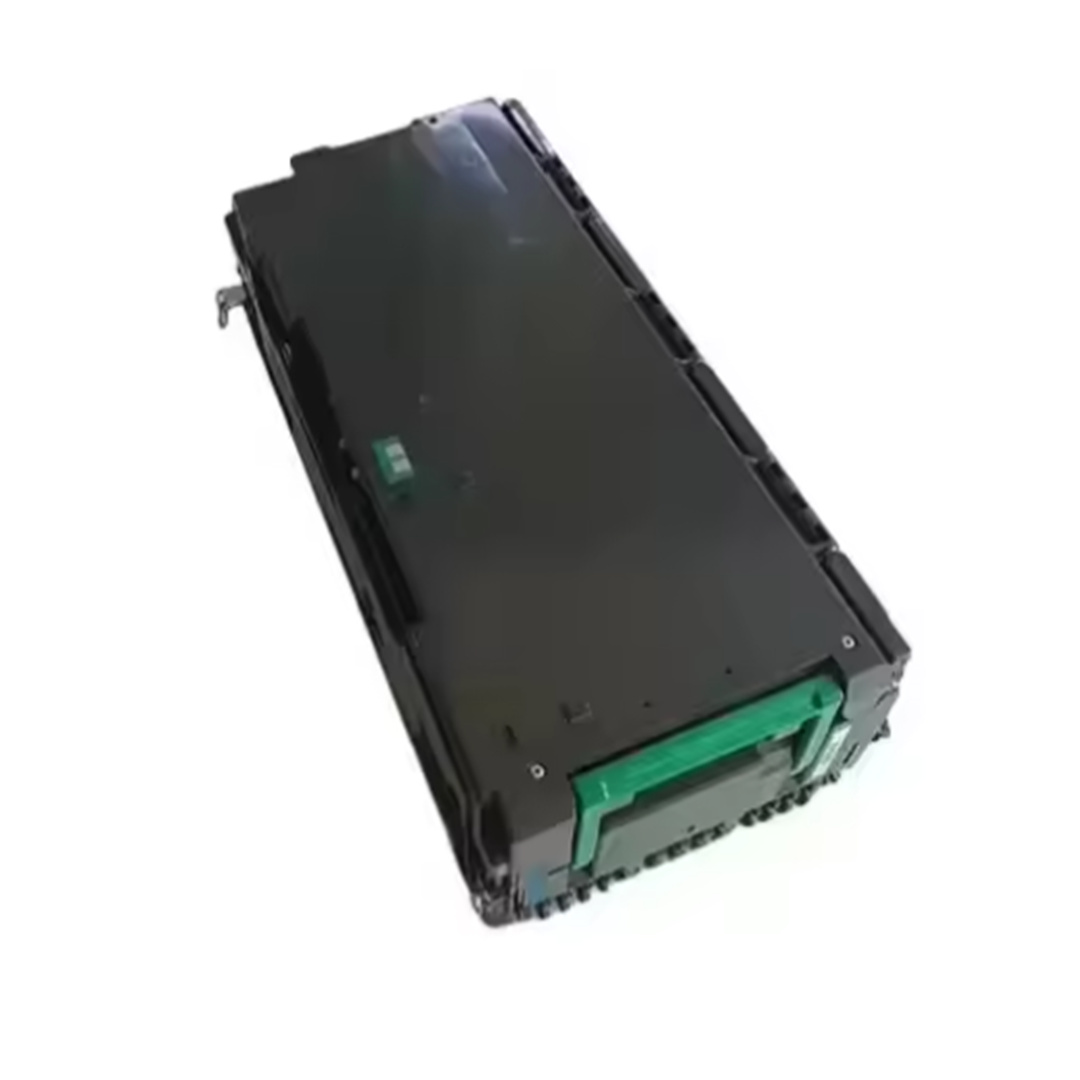
Traditional ATMs require frequent replenishment and cash removal, which is costly and logistically complex in remote highway areas. Modern installations utilize advanced cash recycling units, such as the Fujitsu G610 Bill Recycling Unit or the Hitachi 2845-SR Recycling Cassette. These modules validate, sort, and store deposited cash, making it immediately available for the next withdrawal. This closed-loop system reduces CIT visits by up to 50%, significantly lowering operational overhead.
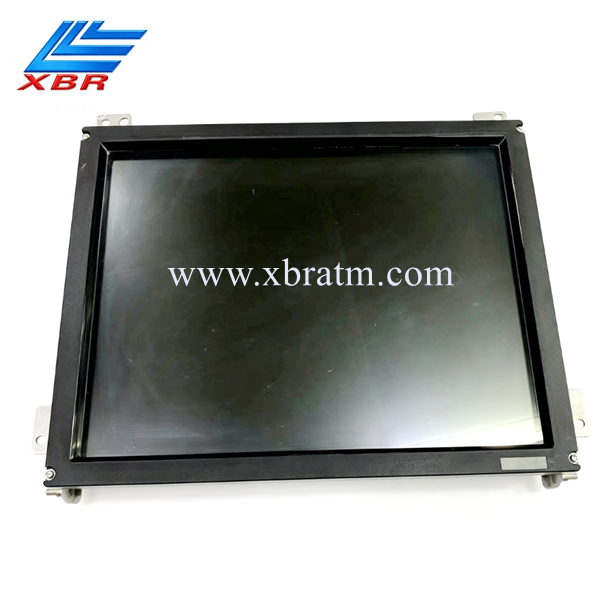
Highway service kiosks are subjected to varying environmental conditions, including temperature fluctuations, high humidity, and intense sunlight. Displays must be exceptionally bright, scratch-resistant, and responsive. Industrial-grade screens, such as the GRG 15'' Display Screen MON-1501, are engineered to maintain high visibility under direct glare and withstand heavy tactile use from thousands of travelers daily.
As counterfeit techniques become more sophisticated, the integration of high-performance recognition units is crucial. Modules like the OKI RG7 Recognition Unit utilize advanced optical and magnetic sensors to authenticate banknotes instantly, preventing fraud at the point of deposit. Furthermore, secure transport assemblies ensure smooth bill passage, eliminating paper jams that lead to costly kiosk downtime.
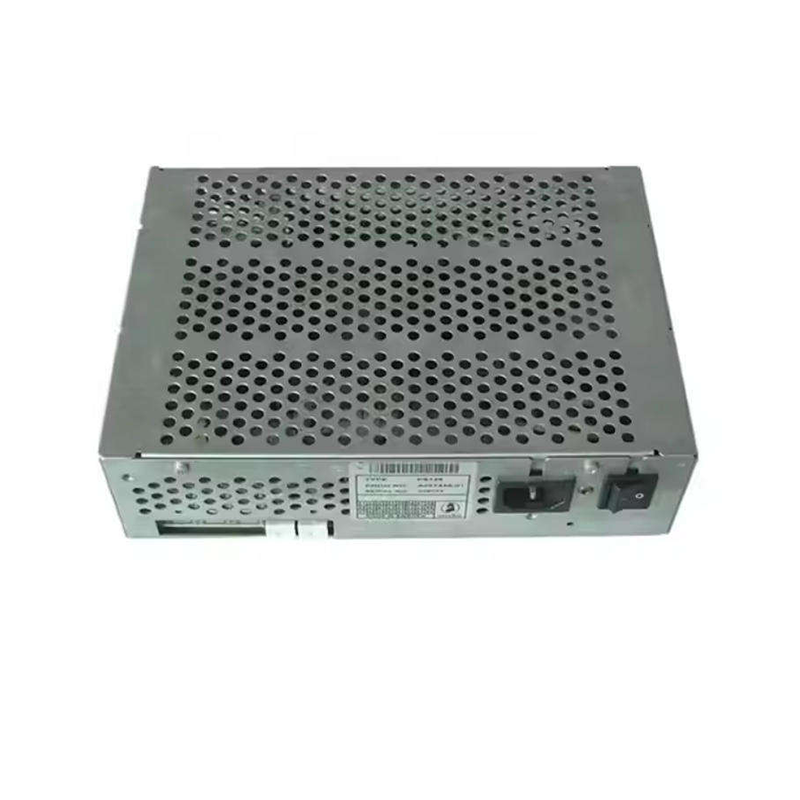
Power fluctuations are common in remote highway stretches. Robust power supplies, such as the NMD PS126 Power Supply, protect sensitive internal electronics from voltage surges and ensure stable operation during peak loads, keeping the kiosk online when travelers need it most.


Operating self-service banking terminals in transit environments like highway oases presents unique challenges that differ significantly from typical indoor bank branches. To maintain high availability, operators must focus on component reliability, physical security, and robust hardware design.
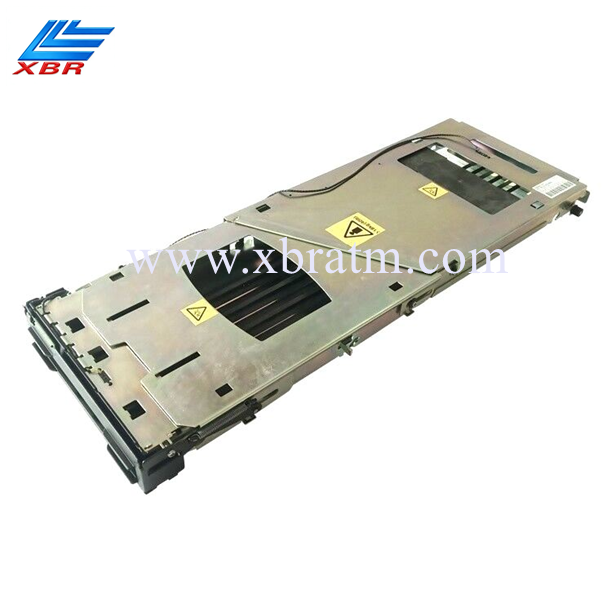
Highway retail kiosks are often semi-outdoor or located near heavy machinery and traffic, exposing them to dust, diesel exhaust, and vibration. Displays, card readers, and bill dispensers must be sealed against dust ingress. The use of high-quality transport assemblies, such as the Diebold Opteva Transport Assembly, ensures that banknotes travel smoothly through the mechanical paths even when subjected to ambient vibrations from passing heavy vehicles.
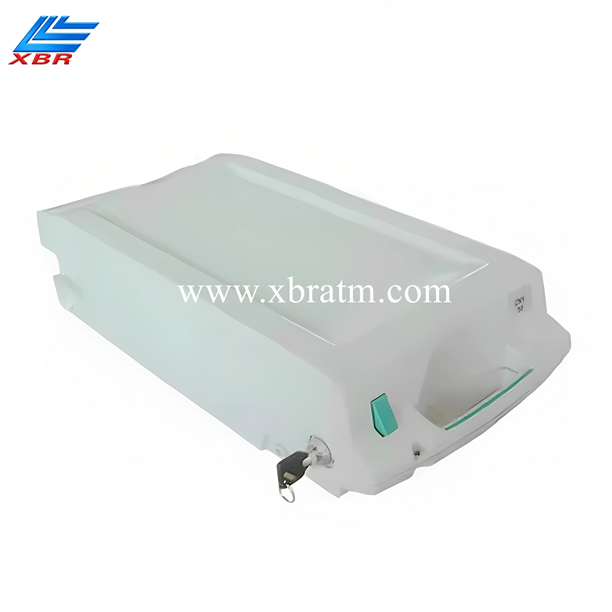
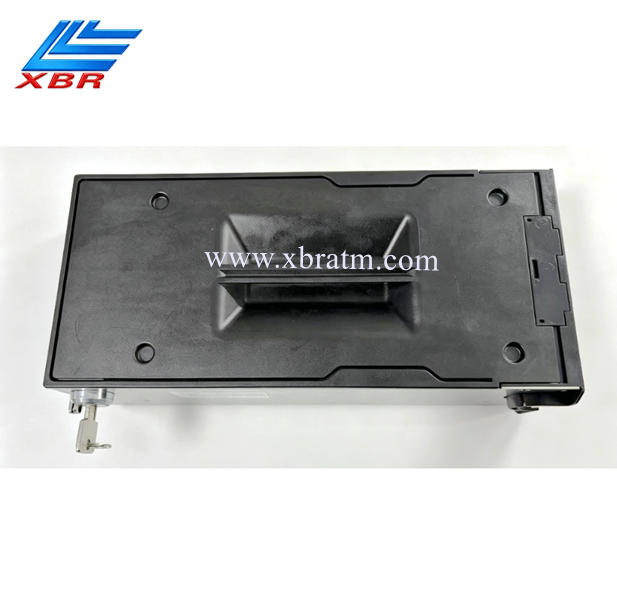
Travelers at highway kiosks are typically in a hurry. Transaction speeds must be rapid. High-performance cash dispensers and cassettes, such as the Glory Delarue NMD100 NC301 Cash Cassette, ensure smooth, jam-free cash handling. When components are engineered for speed and reliability, checkout queues are minimized, leading to higher customer throughput and increased retail sales for the adjacent service station convenience store.
Modern ATM systems are equipped with IoT sensors that monitor the health of individual components. For example, a decrease in display brightness or a slight deviation in the cash transport alignment can trigger an automatic alert to the maintenance team. By utilizing premium, standardized parts from trusted suppliers like XBR, operators can ensure that their remote diagnostic software receives accurate telemetry, allowing for predictive maintenance before a hardware failure actually occurs.
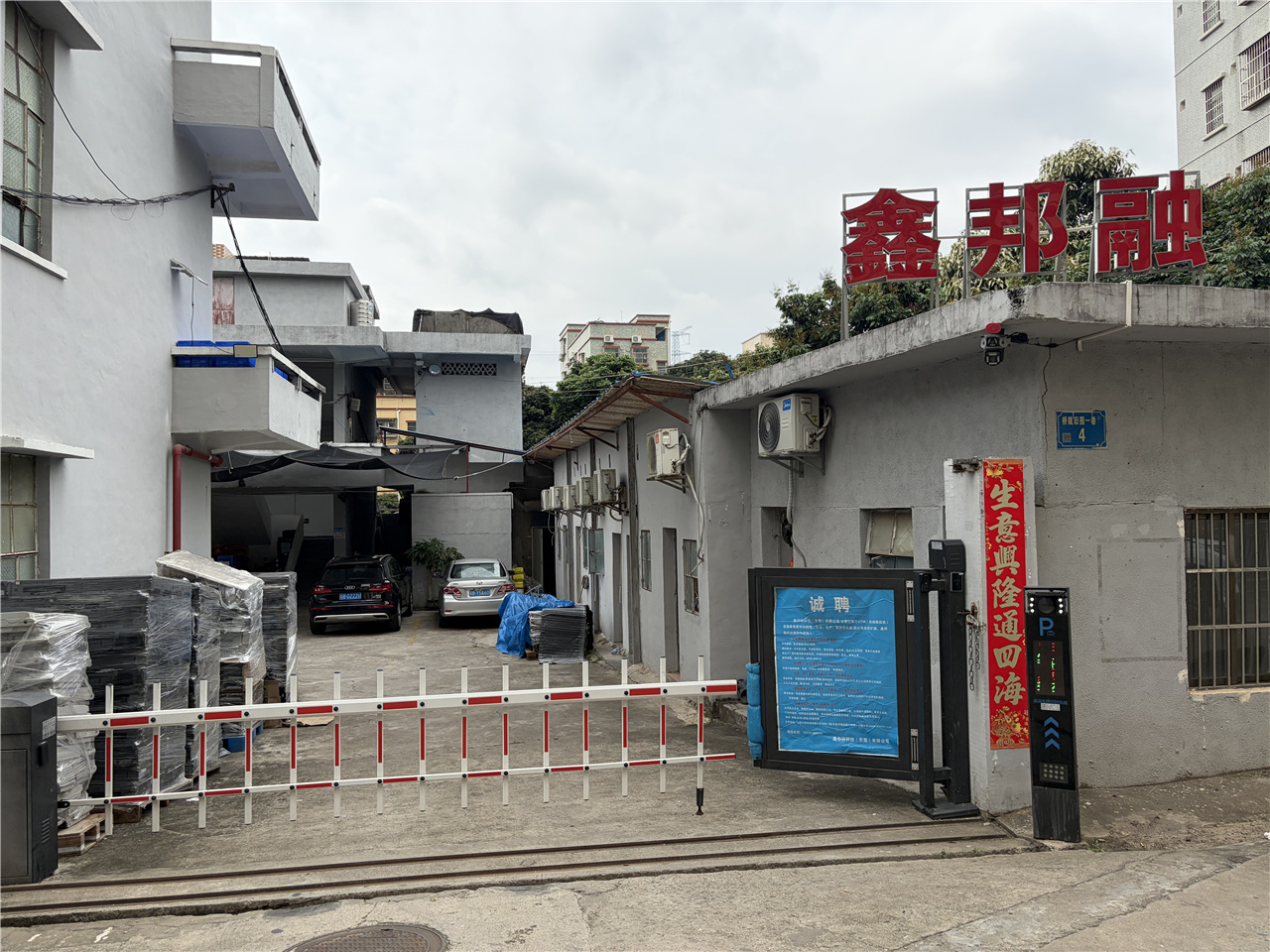
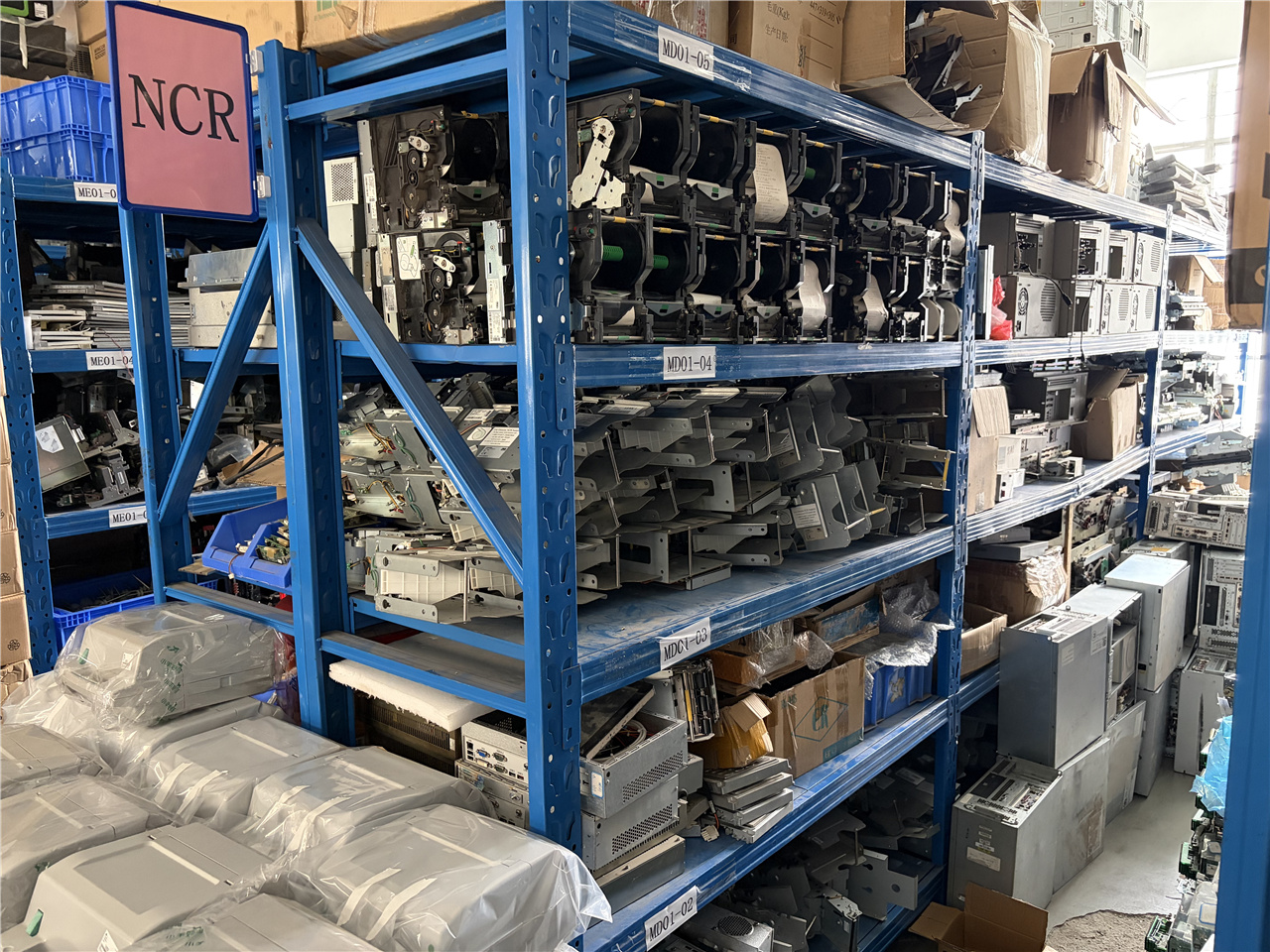
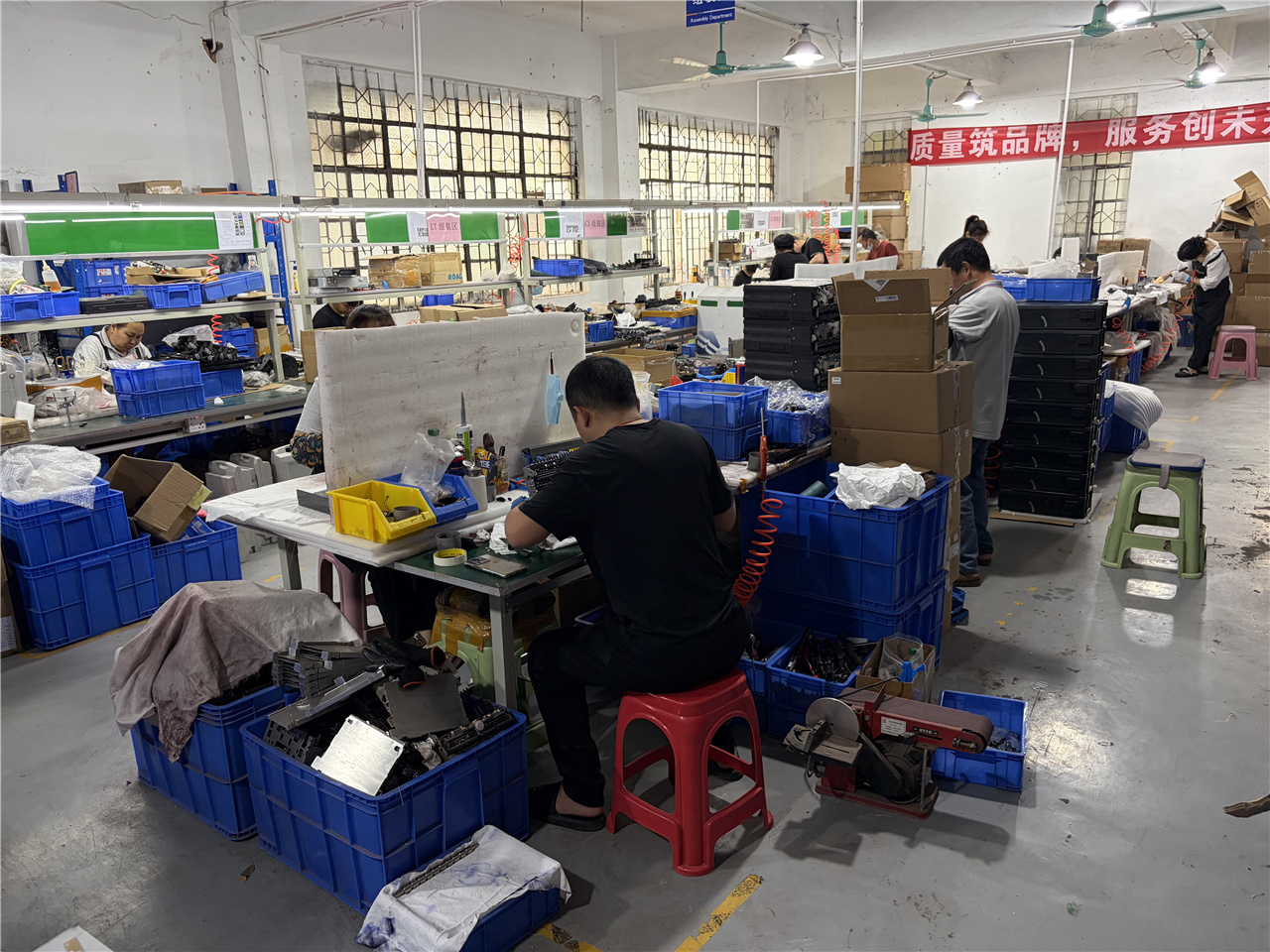
We further expanded our production capacity and officially relocated our production base to Dongguan. This strategic move has significantly upgraded our service capabilities, enabling faster delivery speed, a larger inventory scale (with over 3,000 product items in stock), and higher manufacturing efficiency. Currently, we have a professional team of over 50 employees, who are dedicated to providing high-quality services for every customer.