Follow us:

Leave Your Message
-
Whatsapp

-
WeChat



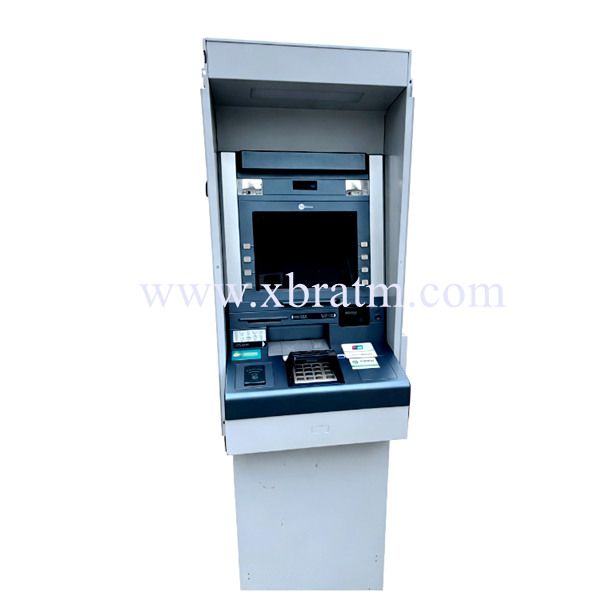
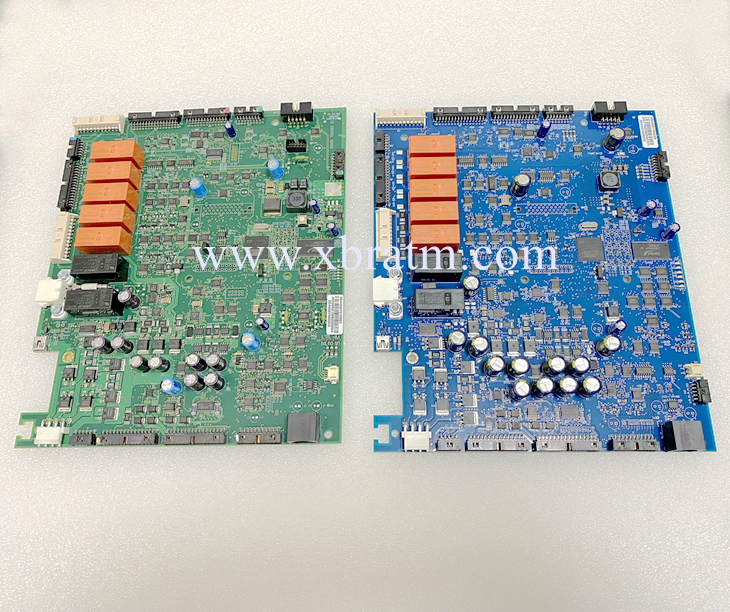
In the global financial ecosystem, the ATM cash machine remains a cornerstone of self-service banking. However, as cyber threats evolve and physical tampering methods become more sophisticated, maintaining the cryptographic integrity of these terminals is paramount. The Encrypted PIN Pad (EPP) is the primary gateway for user authentication, translating sensitive personal identification numbers (PINs) into secure ciphertext immediately upon entry. Ensuring that this component complies with the latest Payment Card Industry (PCI) Security Standards is not just a regulatory obligation; it is a fundamental pillar of consumer trust and financial security.
According to global banking security directives, legacy EPP modules that do not meet current PCI PTS (PIN Transaction Security) requirements must be systematically replaced to prevent cardholder data compromise and avoid substantial non-compliance penalties.
The global ATM market is undergoing a massive transitional phase. With millions of active ATM cash machines worldwide, financial institutions and Independent ATM Deployers (IADs) face the monumental challenge of upgrading legacy hardware. Historically, ATM deployments were expected to last between 10 to 15 years with minimal hardware alterations. Today, the rapid lifecycle of cryptographic standards dictates more frequent hardware refreshes, particularly for inputs like EPPs and card readers.
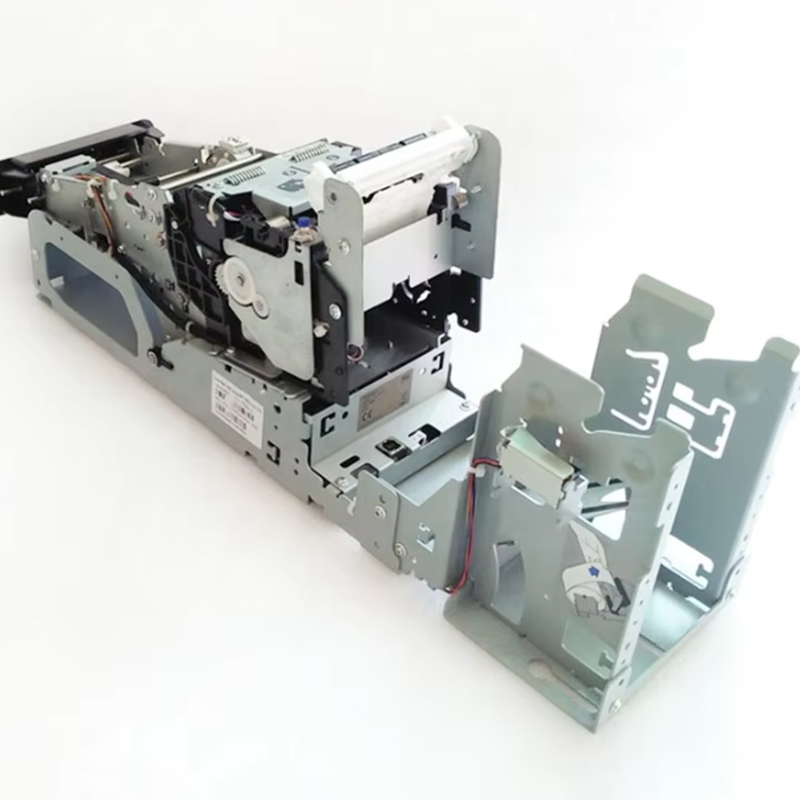
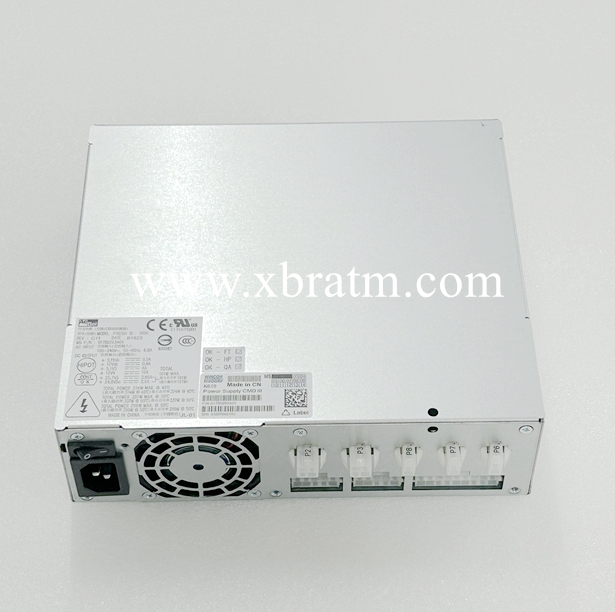
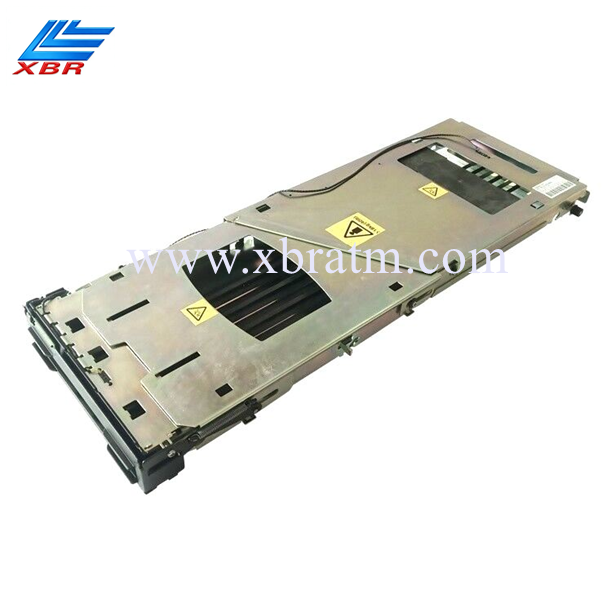
From a commercial perspective, replacing an entire ATM cash machine fleet is financially prohibitive for many regional banks and independent operators. Consequently, the demand for high-quality, certified spare parts and modular replacements has surged. Component-level upgrades—specifically targeting EPPs, power supplies, card readers, and cash dispensers—allow institutions to extend the operational life of their existing chassis while aligning perfectly with modern security regulations. This approach dramatically reduces capital expenditure (CAPEX) while ensuring that the fleet remains fully compliant and secure against modern hacking techniques like sniffing, keypad overlay attacks, and side-channel analysis.
Modern PCI-compliant Encrypted PIN Pads are marvels of hardware security engineering. Unlike simple numeric keyboards, an EPP is a self-contained cryptographic boundary. If an attacker attempts to physically breach the casing of a certified EPP, the device triggers an active zeroization process, instantly erasing all stored master keys and cryptographic secrets. Here are the key technological advancements driving the industry:
Traditionally, loading cryptographic keys into an ATM required two bank custodians to physically visit the machine and manually enter key parts. Modern PCI-compliant EPPs support Remote Key Loading (RKL) using public-key cryptography (such as RSA or Diffie-Hellman). This allows financial institutions to securely distribute and update keys over the network, dramatically reducing operational costs and eliminating human risk variables.
As computational power increases, older encryption standards become vulnerable. Current PCI standards mandate the transition from standard DES to Triple DES (3DES) and, increasingly, to Advanced Encryption Standard (AES) for PIN block encryption. Modern EPP replacements are built with dedicated hardware accelerators to perform these complex mathematical operations in milliseconds, ensuring zero lag for the end-user.
Advanced EPPs feature grid-based sensor layers embedded directly into the circuit boards and outer shells. Any physical drilling, temperature anomaly, or chemical intrusion attempts will break the circuit, rendering the PIN pad permanently inoperable. This level of physical security is crucial for outdoor or unattended retail ATMs that lack constant physical surveillance.
Understanding where and how these secure components are deployed highlights the diversity of the self-service banking landscape. Different environments demand distinct security and durability profiles.
For retail bank branches operating high-capacity cash recyclers, such as the GRG H68V series, system uptime and absolute security are critical. These machines handle thousands of deposits and withdrawals daily. An EPP replacement in this scenario must not only be PCI-compliant but must also feature high mechanical durability (often rated for over 2 million keystrokes) and integrate seamlessly with multi-vendor XFS (eXtensions for Financial Services) software layers to prevent software-level interception of PIN data.
Independent ATM Deployers (IADs) place cash machines in convenience stores, gas stations, and transit hubs. These locations are prime targets for physical tampering and skimming. Upgrading these machines with PCI-compliant EPPs featuring integrated physical privacy shields and ruggedized metal casings is vital. The replacement components must offer plug-and-play compatibility with legacy controllers to minimize technician time on-site during upgrade cycles.
ATMs located in drive-through lanes or exterior building walls face extreme weather conditions, including rain, snow, dust, and temperature fluctuations. EPP replacements for these environments require IP65 or higher environmental sealing to prevent moisture ingress from short-circuiting the sensitive cryptographic components, while maintaining the required tactile feedback for users wearing gloves.
When international card schemes (like Visa, Mastercard, and UnionPay) mandate new security baselines, banks must quickly retrofit their active fleets. Utilizing high-quality refurbished or generic new EPPs that match the exact form factor of major brands (NCR, Wincor Nixdorf, Diebold) allows banks to execute rapid, large-scale compliance campaigns without modifying the structural fascia of their ATM cash machines.

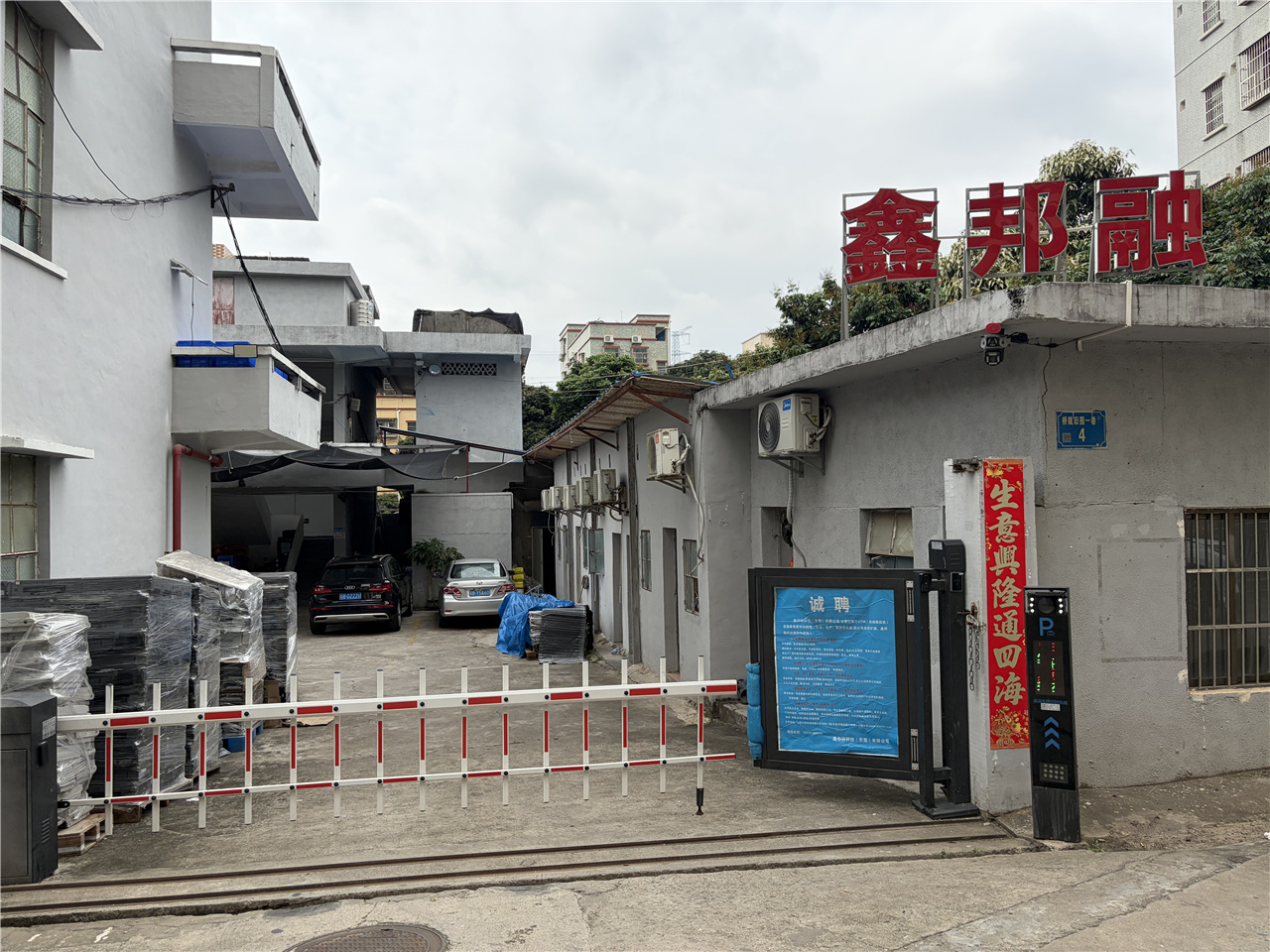
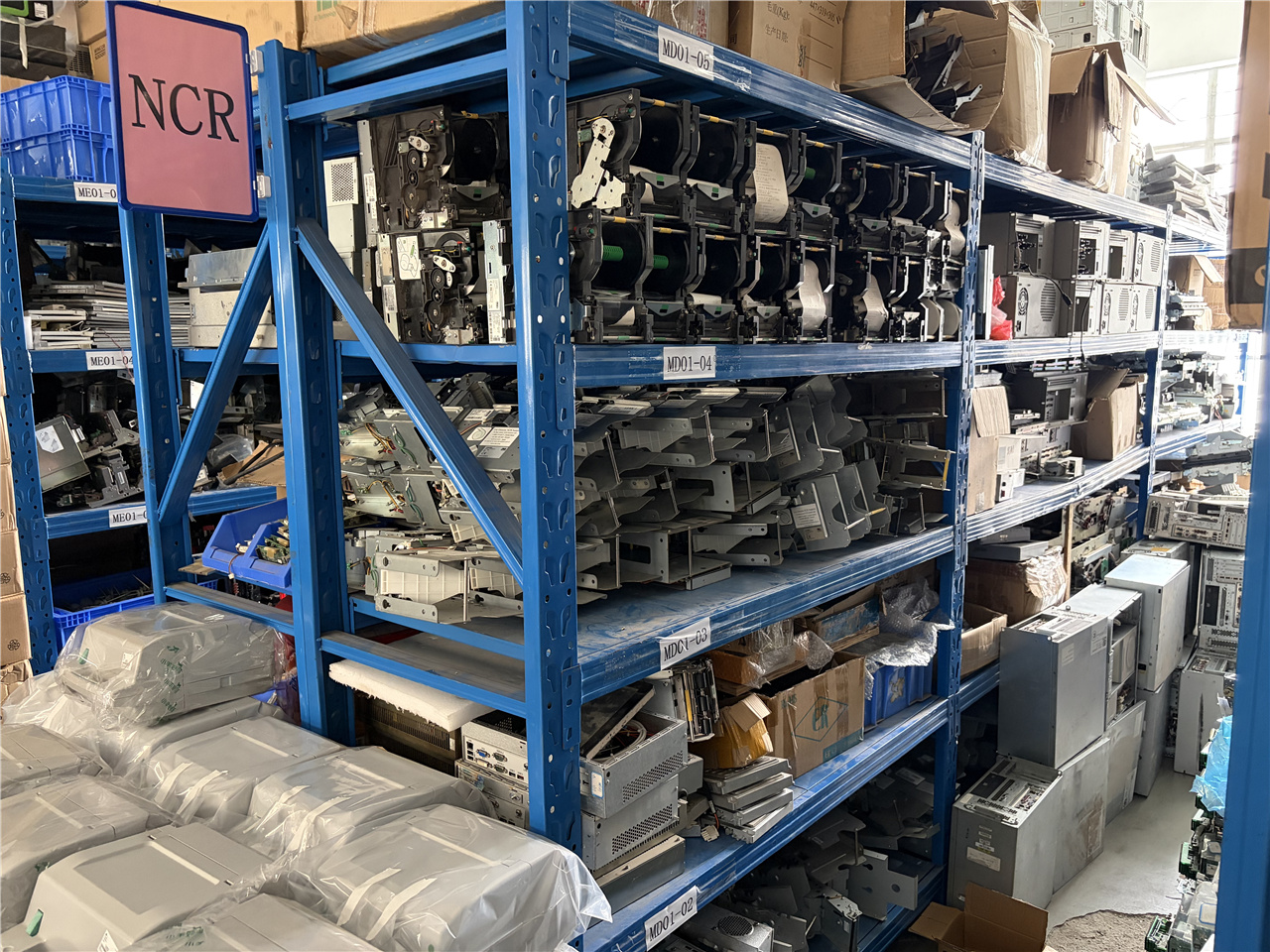
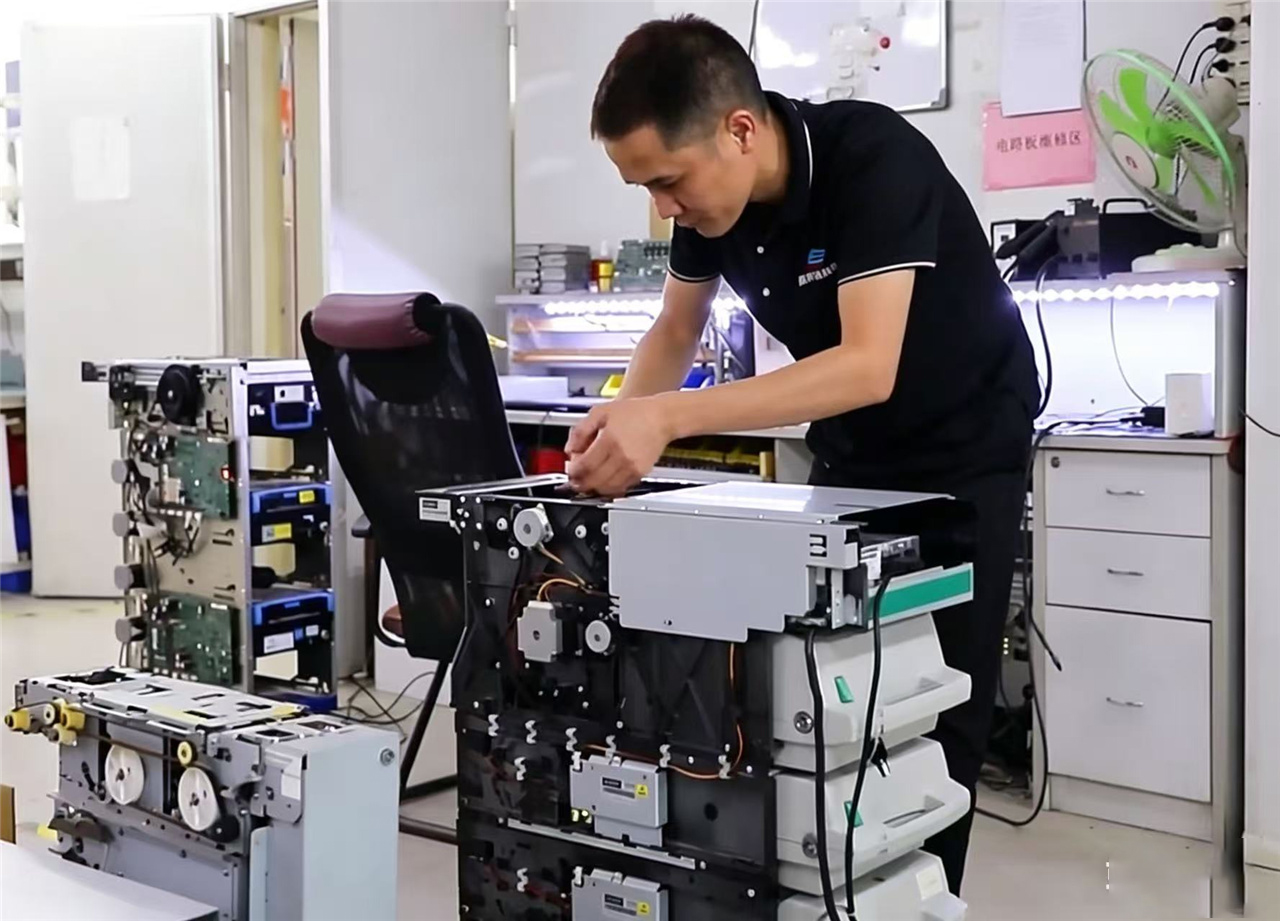
Founded in 2014, Shenzhen Xinbangrong Technology Co., Ltd.(XBR) is a dedicated supplier of ATM products. We specialize in supplying reliable atm components for NCR, Wincor Nixdorf, Diebold, GRG, Hyosung, Hitachi, Glory, NMD, OKI, Fujitsu,etc.
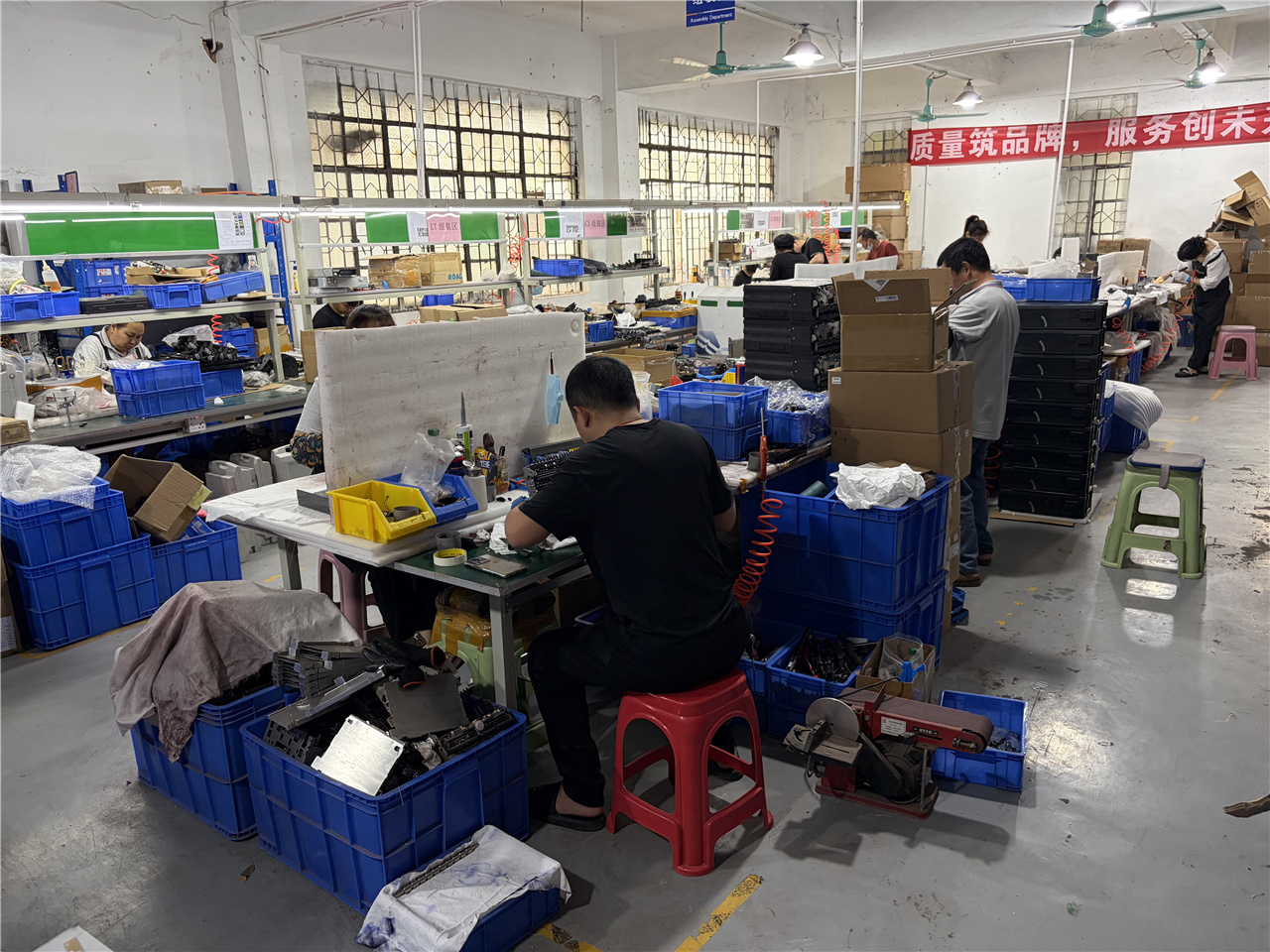
Our comprehensive product portfolio covers ATM whole machines, currency exchange kiosks, bitcoin ATMs, bill acceptors, cash dispensers, ATM modules, and various related spare parts. To meet diverse customer needs, we offer flexible supply options: original new, refurbished, generic new, and used components quality supported by our professional technical engineering team for stable quality, strict professional testing, module refurbishment, and customized solutions.