Follow us:

Leave Your Message
-
Whatsapp

-
WeChat



Precision-engineered card readers, clamping transport mechanisms, and electro-mechanical drive modules calibrated for zero-vulnerability cryptographic transitions.
The contemporary financial self-service ecosystem is navigating its most rigorous cryptographic transition in two decades. The Payment Card Industry Security Standards Council (PCI SSC) has systematically phased out legacy PCI PIN Transaction Security (PTS) v1, v2, and v3 standards, compelling commercial banks, credit unions, and independent ATM deployers (IADs) worldwide to implement PCI PTS v5, v6, and v7 certified Encrypted PIN Pads (EPP). However, terminal design engineers and fleet lifecycle managers have recognized an immutable operational reality: replacing an Encrypted PIN Pad cannot occur in architectural isolation.
The ATM card reader functions as the primary ingestion gateway for sensitive cardholder account data (Primary Account Numbers, Track 2 data, and integrated circuit chip cryptographic cryptograms). When upgrading an ATM terminal with a PCI-compliant Encrypted PIN Pad replacement, the card reader module—whether Motorized Card Reader Writer (MCRW), hybrid DIP reader, or smart card insertion mechanism—must maintain technical parity in both physical security hardening and logical protocol synchronization. Failure to align the ATM card reader with the updated EPP cryptographic boundary exposes self-service fleets to catastrophic attack vectors, including deep-insert shimming, magnetic head tap skimming, wiretapping of unencrypted serial buses, and man-in-the-middle (MitM) command spoofing.
As financial institutions transition their terminal estates away from deprecated Triple-DES (TDES) architectures toward AES-256 (Advanced Encryption Standard) session keys and TR-31 / TR-34 remote key distribution protocols, the interplay between the ATM card reader, the host core PC running CEN/XFS (eXtensions for Financial Services) middleware, and the Encrypted PIN Pad must be meticulously re-engineered. Modern card reader modules, such as the NCR NEMO MCRW series and Wincor Nixdorf smart magnetic hybrid units, feature active jittering, electromagnetic field disturbance sensors, and encrypted read-head technologies designed specifically to complement modern EPP hardware security modules (HSMs).
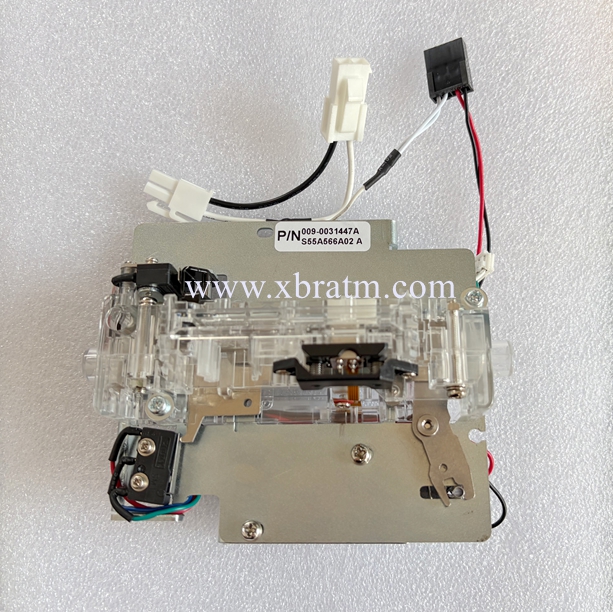
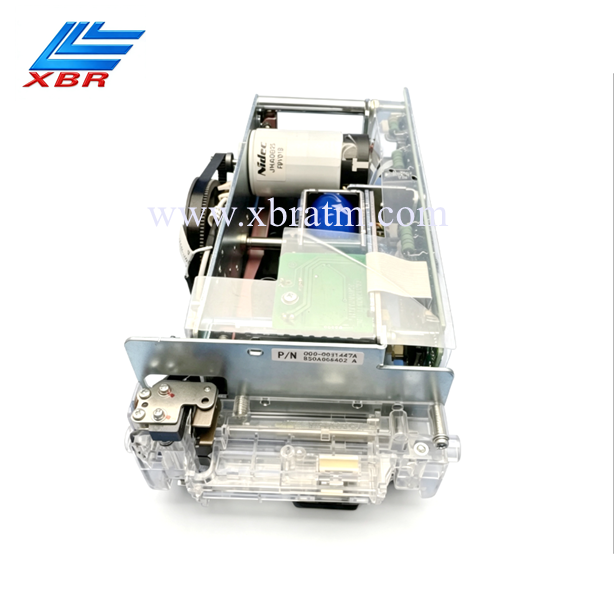
Modern card readers deploy physical ultra-thin mechanical throat profiles (such as NCR NEMO Short Throat 009-0031447) integrated with optical and capacitive sensors to neutralize micro-PCB deep-insert shims targeting EMV chip communications.
Encrypted Magnetic Head (EMH) technologies digitize and encrypt magnetic stripe data directly at the physical point of contact using DUKPT (Derived Unique Key Per Transaction), routing ciphertext directly to the PCI EPP processor.
Seamless driver and firmware translation across multi-vendor software stacks (Kalignite, Phoenix, KAL, Diebold Nixdorf Veno). Standardized WFS_CMD_IDC_READ_RAW_DATA synchronization avoids kernel timeouts during cryptographic pin pad handshake.
To comprehend why an ATM card reader is fundamentally tied to PCI-compliant Encrypted PIN Pad replacements, one must dissect the transactional cryptographic pathway. When a cardholder introduces an EMV chip card into an ATM card reader (e.g., NCR NEMO HiCo 3 Track SMART 445-0765159), a high-speed dialogue initiates between the reader’s contact block (ISO/IEC 7816 compliant) and the card’s integrated microchip. The card reader transmits Application Protocol Data Units (APDUs) to retrieve card certificates, the Application Transaction Counter (ATC), and the dynamic cryptogram (ARQC - Authorization Request Cryptogram).
Simultaneously, the cardholder enters their personal identification number into the newly upgraded PCI PTS Encrypted PIN Pad. Inside the physically protected, tamper-responsive enclosure of the EPP, the PIN is immediately encrypted using a session key derived via DUKPT or a fixed key hierarchy managed by an internal Hardware Security Module (HSM). If an adversary can compromise the card reader data path prior to the EPP boundary, the PIN block, although encrypted, can be correlated with plaintext PAN data gathered via tap skimming, nullifying the bank's end-to-end security model.
Consequently, PCI DSS (Data Security Standard) Requirement 3.4 and PCI PTS POS PIN specifications increasingly demand that the ingestion device (the card reader) interface with the EPP via an encrypted channel or embed cryptographic capabilities directly into the reader's firmware architecture. Replacing outdated card readers with certified motorized units featuring secure memory microcontrollers ensures that track data, PAN, and chip responses are encapsulated within an encrypted envelope before traversal across the internal ATM USB/RS-232 communication bus.
Analyzing real-world deployment parameters where precision hardware replacement mitigates regulatory obsolescence, reduces Mean Time to Repair (MTTR), and fortifies critical infrastructure.
Tier-1 commercial financial institutions managing thousands of lobby and through-the-wall (TTW) automated terminals are under regulatory duress to retire legacy EPPs prior to sunset deadlines. When updating NCR Personas or SelfServ terminals, service teams replace outdated magnetic-only readers with NCR NEMO (MFR) MCRW Short Throat readers (Part Number 009-0031447 / 0090031447).
The short throat architecture impedes the attachment of external overlay skimmers, while integrated optical anti-skimming modules emit infrared beam matrices across the entry bezel. When coupled with an updated PCI v6 EPP, the branch achieves complete compliance with Visa and Mastercard liability shift regulations without replacing the entire ATM chassis.
Independent ATM deployers operating off-premise terminals in high-traffic convenience stores, transit hubs, and gas stations encounter the highest statistical incidence of hardware tampering and deep-insert shimming attacks. Upgrading legacy Genmega, Hyosung, or Triton terminals requires resilient DIP card readers that mechanically communicate with hardened PIN pads.
Because retail deployers face tighter margin constraints, high-precision refurbished card readers validated by technical laboratories (such as Shenzhen Xinbangrong) offer an economically viable alternative to expensive complete kiosk replacements. The card reader bezel is equipped with physical anti-tamper switches wired directly into the EPP alarm loop, initiating cryptographic zeroization if unauthorized physical intrusion occurs.
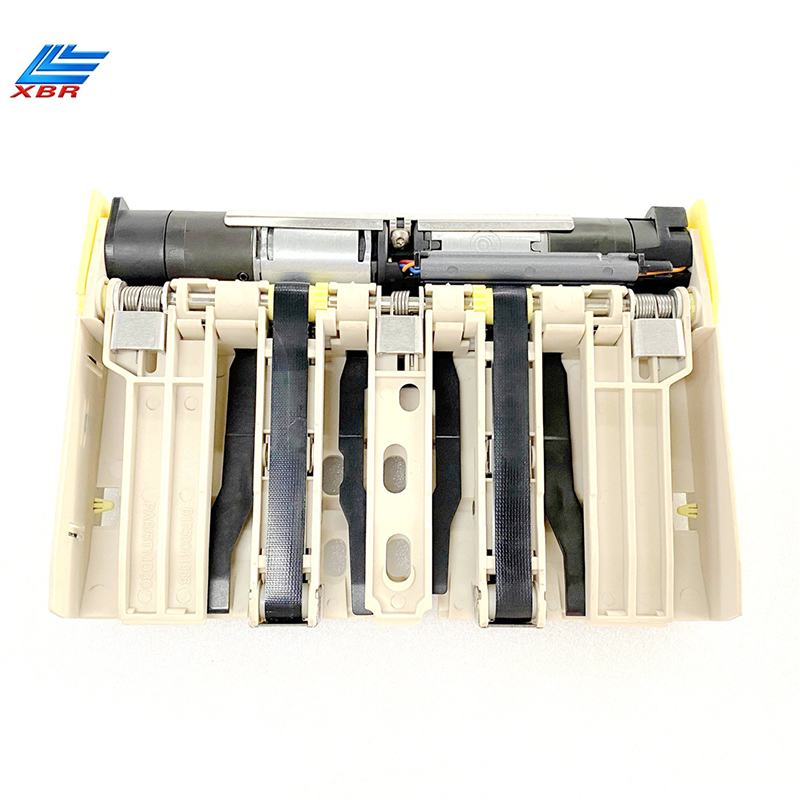
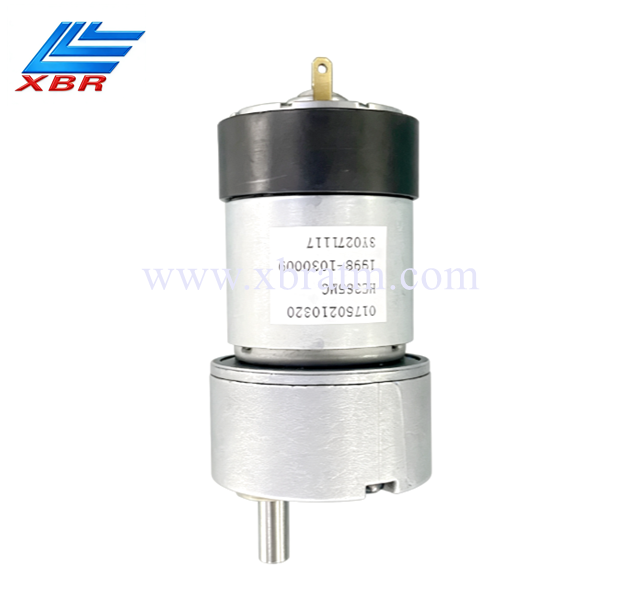
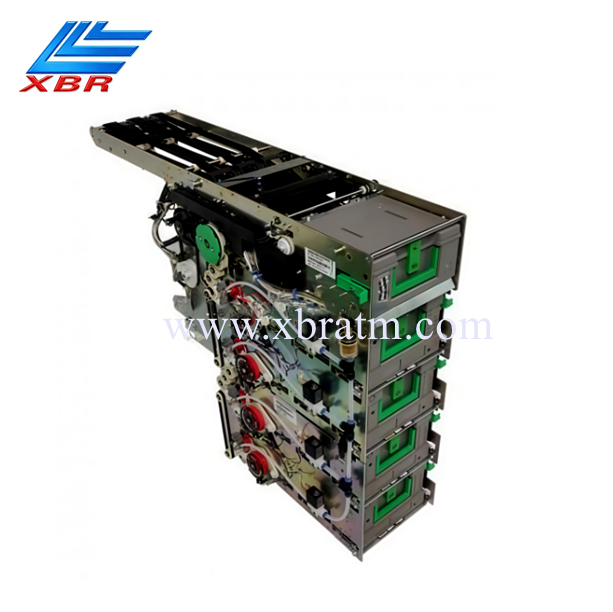
In high-capacity automated deposit and cash recycling terminals, such as Wincor Nixdorf ProCash, Cineo C4060, or Diebold Nixdorf CS series, mechanical reliability is paramount. A card reader failure locks down the entire cash deposit/dispense cycle, causing severe customer dissatisfaction. Replacing the EPP with a PCI-compliant module demands a synchronous overhaul of the card ingestion module and associated transport mechanisms (e.g., Wincor Nixdorf CMD-V4 clamping transport 1750053977 and Cineo C4060 VS Module Motor 01750210320).
These advanced motorized card readers feature dual-channel anti-skimming protection (DFD - Device for Foreign Device detection) and motorized ejection buffers that physically retain forgotten cards while communicating through secure CEN/XFS Service Providers (SP).
Emerging fintech infrastructures, including Bitcoin ATMs (BTMs) and multi-currency automated exchange terminals, are subjected to aggressive scrutiny under international Anti-Money Laundering (AML) and PCI DSS guidelines. These self-service machines require hybrid card reader assemblies capable of reading magnetic stripes, high-security smart cards, and integrated NFC/contactless tap interfaces.
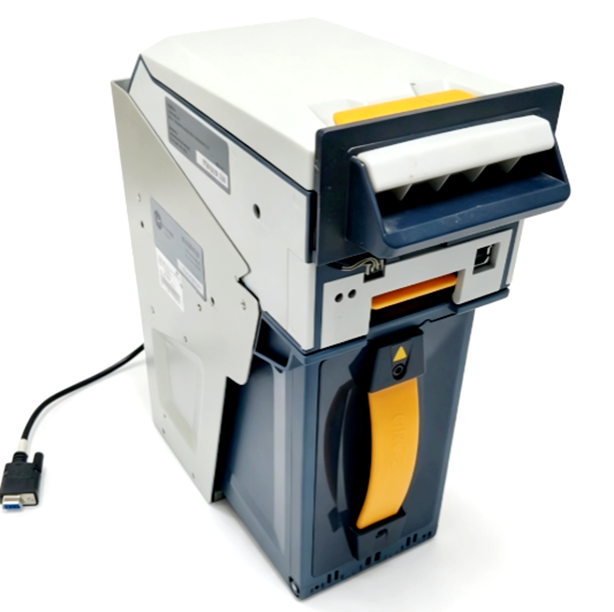
When installing PCI-compliant EPP keypads in cryptocurrency kiosks, the card reader must interface with peripheral bill acceptors (such as the GRG BA-08-001 Bill Acceptor YT2.291.094) and high-performance cash dispensers (e.g., NCR S1 Cash Dispenser Assembly) to coordinate secure biometric authentication and cryptographic identity matching without latency.
Card fraud mechanics have evolved from primitive magnetic stripe overlay skimmers to sophisticated micro-electronic shims. A modern "shim" consists of an ultra-flexible polyimide printed circuit board containing a microprocessor and non-volatile flash memory, designed to be inserted directly into the card reader throat. Once seated between the smart card contacts and the reader’s contact springs, it passively snoops ISO 7816 communications or conducts dynamic man-in-the-middle attacks on the PIN entry workflow.
To combat this in conjunction with PCI Encrypted PIN Pad replacements, modern replacement card readers utilize multifaceted defense mechanisms:
The card reader’s drive roller firmware introduces erratic velocity perturbations during card intake and motorized ejection. By dynamically modulating the speed at which the magnetic stripe traverses the internal magnetic head, illicit external skimmers obtain corrupt, non-decodable analog waveforms, while the internal intelligent digital processing filter normalizes and reconstructs the data inside the protected terminal environment.
Hardware modules like the NCR NEMO Short Throat (009-0031447) minimize the physical vestibule depth between the exterior ATM fascia and the internal mechanical clamping rollers. This micro-aperture geometry prevents unauthorized deep-insert tools from being anchored or concealed inside the reader mouth without triggering physical jam alarms or breaking fragile mechanical security pins.
Modern card reader assemblies feature continuous optical and capacitive field monitoring across the bezel surface. If an adversary introduces an artificial overlay bezel containing a covert camera (designed to observe the PIN pad) or an induction loop, the reader detects the anomaly, signals the host system via XFS event triggers, and commands the PCI-compliant EPP to disable PIN entry operations instantly.
Financial institutions operating estates of 5,000 to 50,000 automated teller machines face immense capital expenditure burdens during mandatory PCI hardware lifecycles. Purchasing brand-new OEM whole machines for every compliance cycle is economically unviable. As a consequence, the global banking industry relies heavily on tier-one engineering suppliers capable of delivering precision-refurbished, certified original, and high-performance generic alternative components.
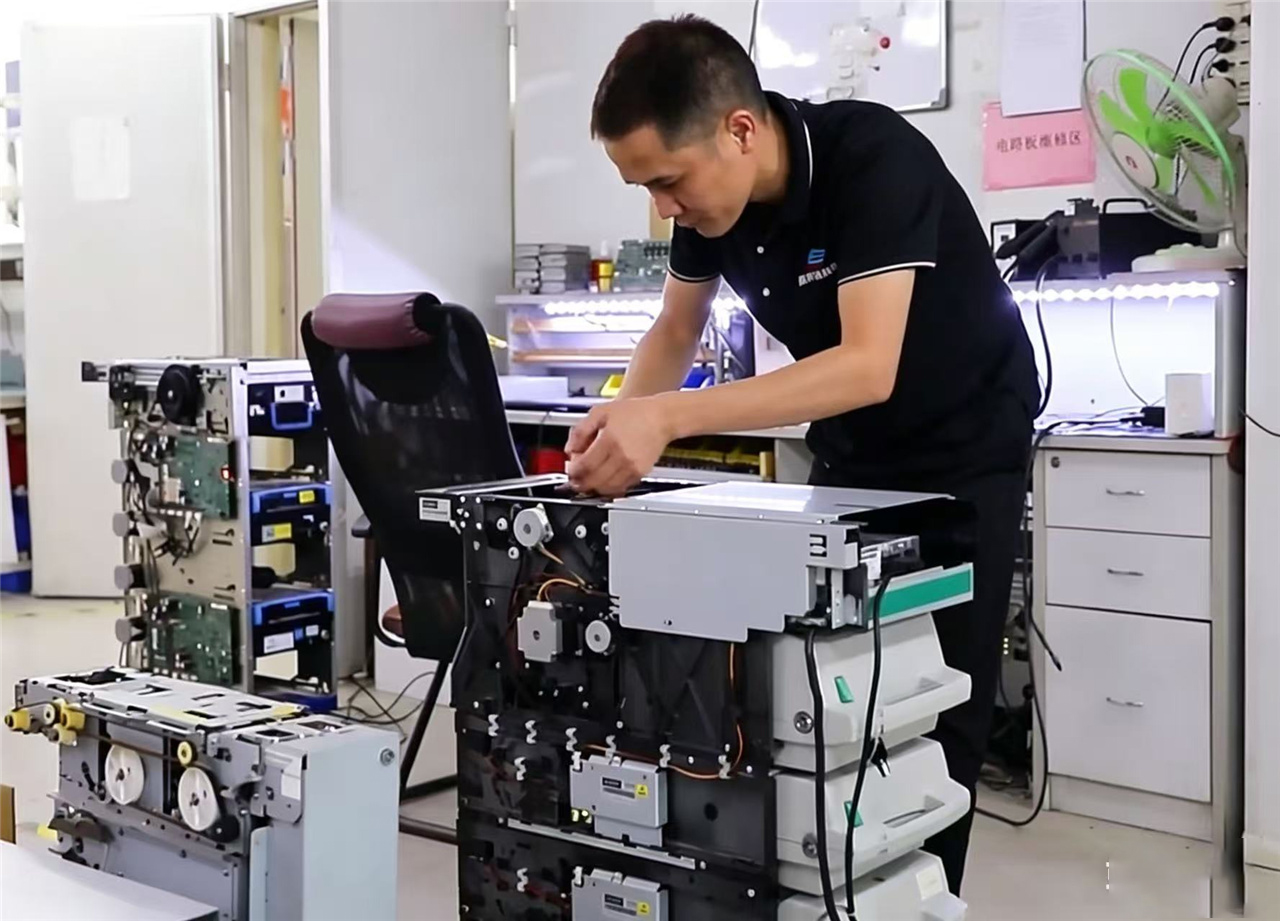
Rigorous refurbishment processes—such as those implemented at Shenzhen Xinbangrong Technology Co., Ltd. (XBR)—involve complete component disassembly, ultrasonic cleaning of gear trains, replacement of worn rubber drive belts and rollers, optical calibration of photo-interrupters, precision replacement of magnetic read-write heads, and 100% full-load stress testing against ISO 7810/7811/7816 physical card metrics. This technical validation guarantees that a refurbished card reader or transport mechanism operates with a Mean Time Between Failures (MTBF) indistinguishable from factory-new hardware, enabling banks to achieve total PCI compliance at 40% to 60% lower capital outlay.

Founded in 2014, Shenzhen Xinbangrong Technology Co., Ltd. (XBR) is a dedicated supplier of ATM products. We specialize in supplying reliable atm components for NCR, Wincor Nixdorf, Diebold, GRG, Hyosung, Hitachi, Glory, NMD, OKI, Fujitsu, etc.
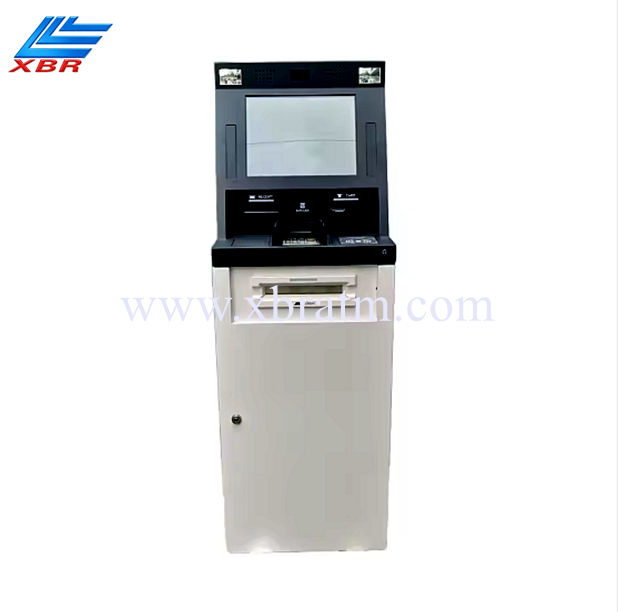
Our comprehensive product portfolio covers ATM whole machines, currency exchange kiosks, bitcoin ATMs, bill acceptors, cash dispensers, ATM modules, and various related spare parts. To meet diverse customer needs, we offer flexible supply options: original new, refurbished, generic new, and used components quality supported by our professional technical engineering team for stable quality, strict professional testing, module refurbishment, and customized solutions.


End-to-end manufacturing, custom modification, precision bench refurbishing, and international technical logistics tailored for financial self-service operations.
Customized atm parts according to the drawings, samples, or other technical requirements.
Replace all old parts to make them work properly and clean modules to make them look like new.
100% inspection and testing before shipment to ensure all parts meet customer requirements.
Quick response and professional quotation within 24 hours.
Most of samples (small spare parts) are free for testing before mass order.
Most of the products are available in stock, lead time within 3-7days.
Multiple shipping methods (express, air, sea) to meet your different delivery time and budget needs.
Technical support and warranty service to ensure long-term cooperation with every customer.
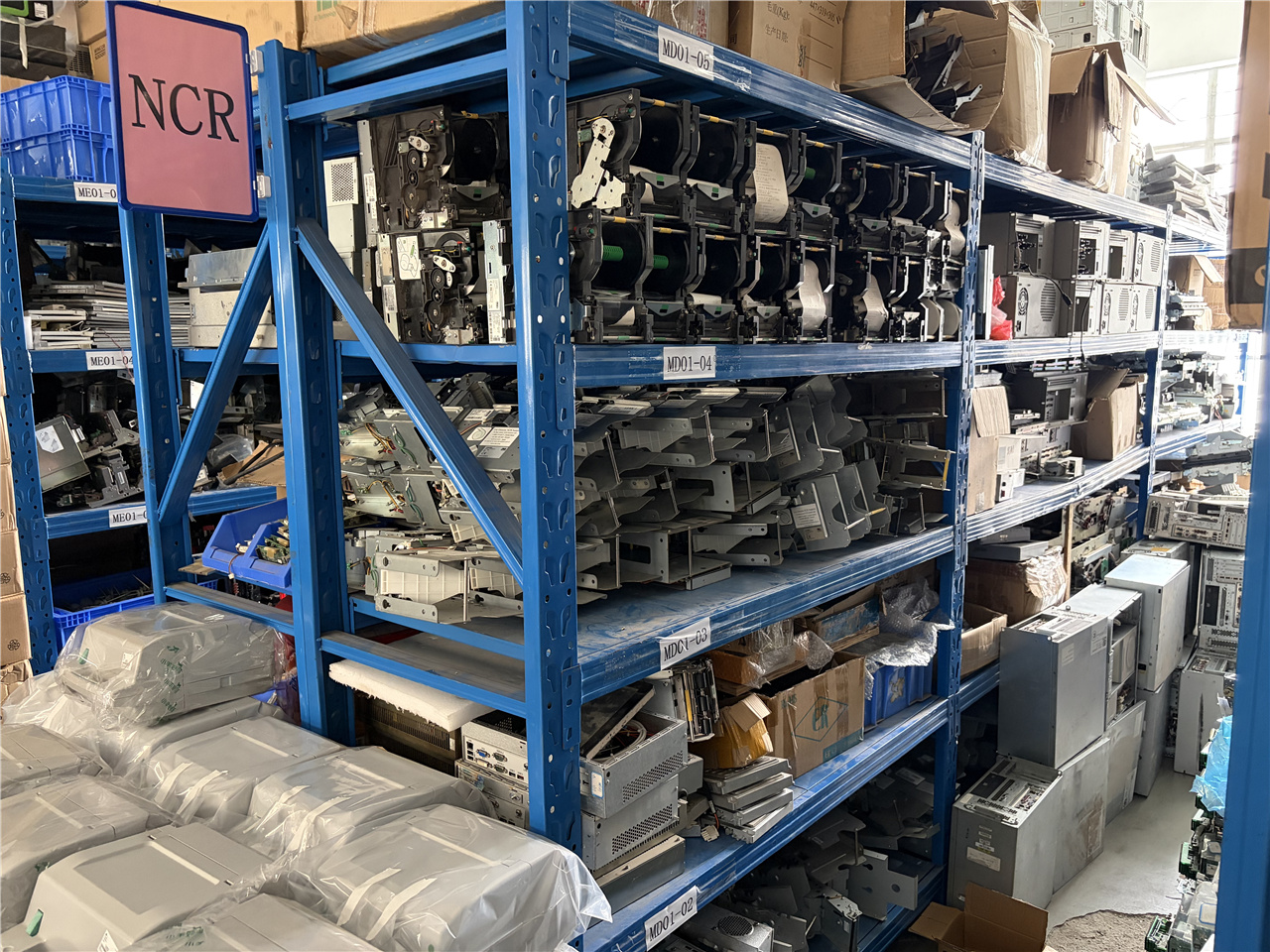
We further expanded our production capacity and officially relocated our production base to Dongguan. This strategic move has significantly upgraded our service capabilities, enabling faster delivery speed, a larger inventory scale (with over 3,000 product items in stock), and higher manufacturing efficiency. Currently, we have a professional team of over 50 employees, who are dedicated to providing high-quality services for every customer.

Authoritative guidance on card reader interoperability, PCI PTS migration criteria, and multi-vendor terminal maintenance.
While an EPP secures the PIN entry at the cryptographic HSM level, an antiquated card reader leaves magnetic stripe and EMV chip communications exposed on unshielded serial lines. Modern PCI-compliant retrofits demand that the card reader and EPP form an uncompromised chain of trust, utilizing anti-shimming micro-apertures, encrypted read heads (EMH), and synchronized CEN/XFS event monitoring to prevent PAN interception.
Motorized Card Reader Writers (MCRWs) physically draw the card inside the terminal, enabling advanced active speed jittering, automatic card retention for fraud suspects, and integrated metallic shutter doors. DIP readers require the user to insert and withdraw manually. While DIP readers are cost-effective for retail ATMs, MCRWs provide superior physical anti-skimming and anti-shimming defense in high-risk environments.
The short throat geometry minimizes the dead space between the external fascia and internal transport rollers. Integrated precision optical and magnetic sensors detect changes in the magnetic flux or physical clearance caused by ultra-thin PCB shims, immediately signaling an XFS security event that halts card ingestion and protects the cardholder credentials.
Yes. PCI compliance assesses the physical security, cryptographic boundary, and firmware integrity of the deployed components. When refurbished by ISO-grade facilities like Shenzhen Xinbangrong, card readers are restored to factory tolerance, firmware checksums are authenticated, and physical anti-tamper mechanisms are verified 100%, satisfying qualified security assessors (QSAs).
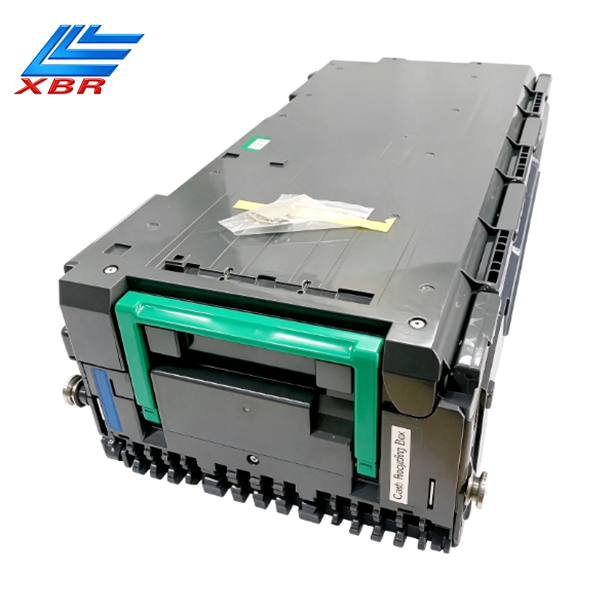
Original new, refurbished, and generic components covering card readers, cash dispensers, recycling cassettes, bill acceptors, and drive motors.