





ATM Spare Parts Quality Grades and Selection Guide
ATM Spare Parts Quality Grades and Selection Guide
1. Introduction
ATMs are critical financial infrastructure that must operate with high availability and strict security. When maintenance is required, choosing the right spare part quality directly affects machine reliability, security, operating cost and customer experience. ATM parts suppliers typically offer several quality grades, each with different cost and performance trade-offs. This guide explains the quality grades commonly available from suppliers, compares Original New and Generic New parts, and provides practical guidance for selecting parts during ATM maintenance.
2. Quality Grades Commonly Offered by ATM Parts Suppliers
ATM spare parts suppliers generally classify parts into the following quality grades. Each grade represents a different combination of origin, price, reliability and support.
2.1 Original New (OEM New)
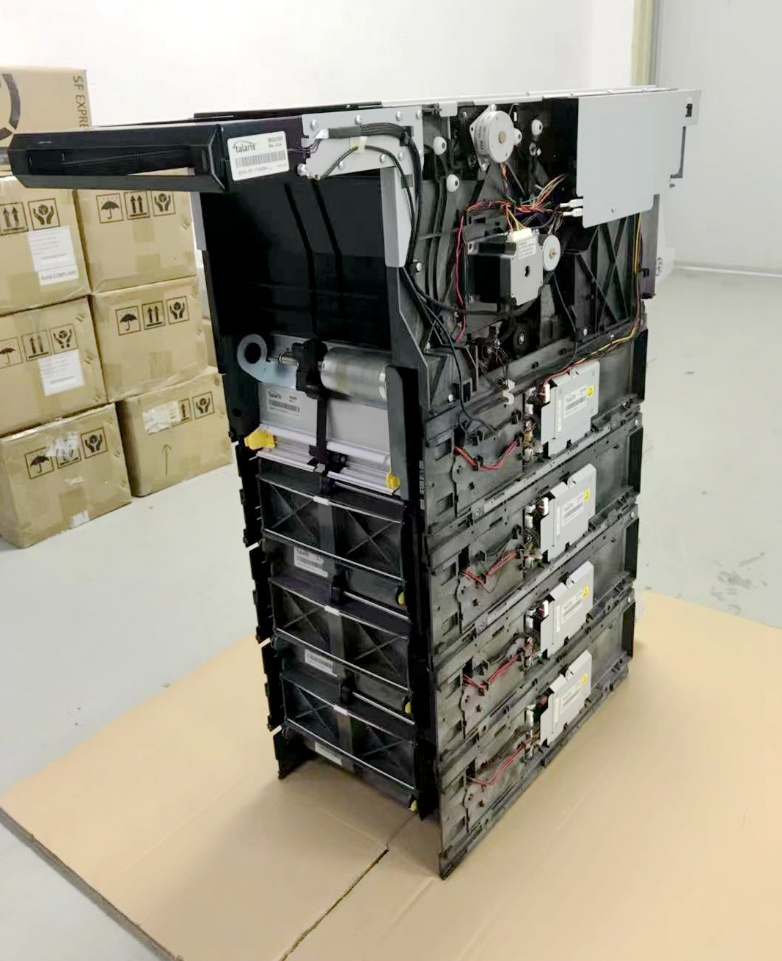
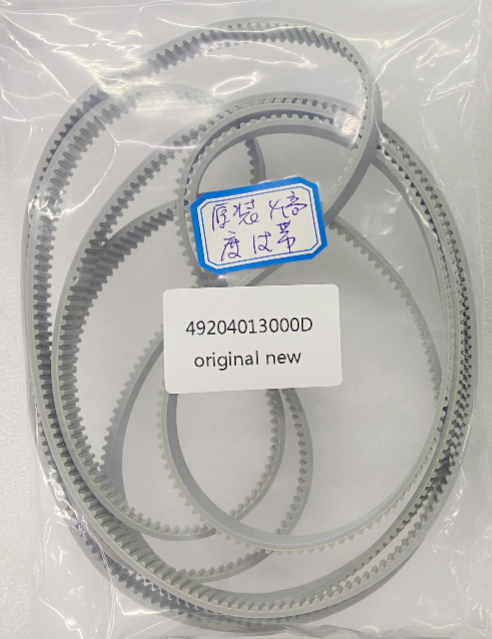
Brand-new parts manufactured by the original equipment manufacturer (OEM), such as NCR, Diebold Nixdorf, Hitachi, Fujitsu, Hyosung or GRG. They are identical to the parts fitted in new machines, meet full factory specifications, and usually carry the manufacturer's warranty and technical support.
2.2 Generic New (Aftermarket / Compatible New)
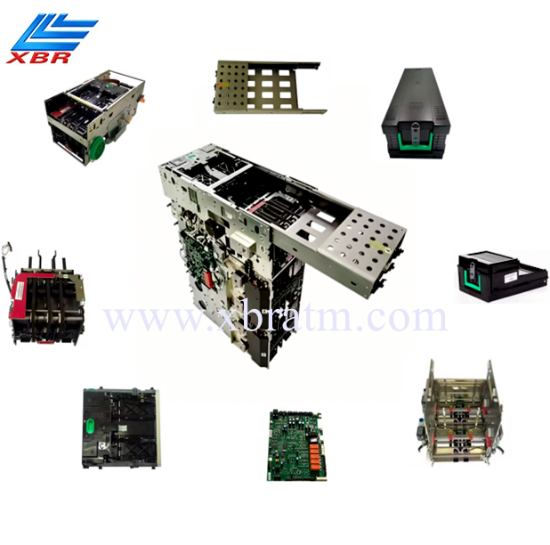
Newly manufactured parts produced by third-party suppliers and designed to match the form, fit and function of OEM parts. They are not produced by the original manufacturer and do not carry the OEM brand, but are built to be compatible with the machine.
2.3 Original Refurbished / Remanufactured
Original OEM parts that have been cleaned, tested, repaired and restored to working condition. They offer genuine quality at a lower price, but may have a reduced remaining service life.
2.4 Used / Working Pulls
Parts removed from decommissioned or retired machines. They may be tested (working pulls) or sold as-is, and are the lowest-cost option with the highest variability in condition and remaining life.
3. Original New Parts: Advantages and Disadvantages
Original New parts represent the baseline of quality set by the manufacturer. They are the reference against which all other grades are measured.
|
Aspect |
Original New (OEM New) |
|---|---|
|
Advantages |
Guaranteed original specifications, materials and performance; highest reliability and compatibility; full manufacturer warranty and technical support; best suited to security-critical and core functional components; longer and more predictable service life. |
|
Disadvantages |
Highest purchase cost; longer lead times, especially for end-of-life models; availability can be limited for older machine generations; may be uneconomical for high-consumption, low-cost parts. |
4. Generic New Parts: Advantages and Disadvantages
Generic New parts are the most common alternative to Original New parts, offering significant cost savings for maintenance programs.
|
Aspect |
Generic New (Aftermarket / Compatible New) |
|---|---|
|
Advantages |
Significantly lower cost, often 30-60% below OEM pricing; readily available with shorter lead times; good value for high-consumption parts and cost-sensitive markets; can extend the life of aging machines economically. |
|
Disadvantages |
Quality and consistency vary widely among manufacturers; may not fully match OEM tolerances, materials or performance; risk of shorter lifespan or higher failure rates; possible compatibility issues with some machine configurations; warranty and technical support vary and may be limited. |
5. How to Choose When Maintaining ATM Machines
Selection should be based on the function, criticality and cost of each part, rather than applying a single grade to everything.
5.1 Key Decision Factors
The following factors should be considered before deciding which quality grade to use:
Criticality of the component: whether failure causes a security risk, machine downtime or minor inconvenience.
Cost of downtime: loss of availability, service call, travel and repair time.
Expected failure rate and service life of the part.
Budget and the age of the machine.
Warranty and supplier technical support.
Availability and lead time.
Compliance requirements and institutional or bank policies.
5.2 Guidance by Component Type
The table below provides a practical starting point for matching part categories with recommended quality grades.
|
Part Category |
Typical Examples |
Recommended Grade |
|---|---|---|
|
Security and control components |
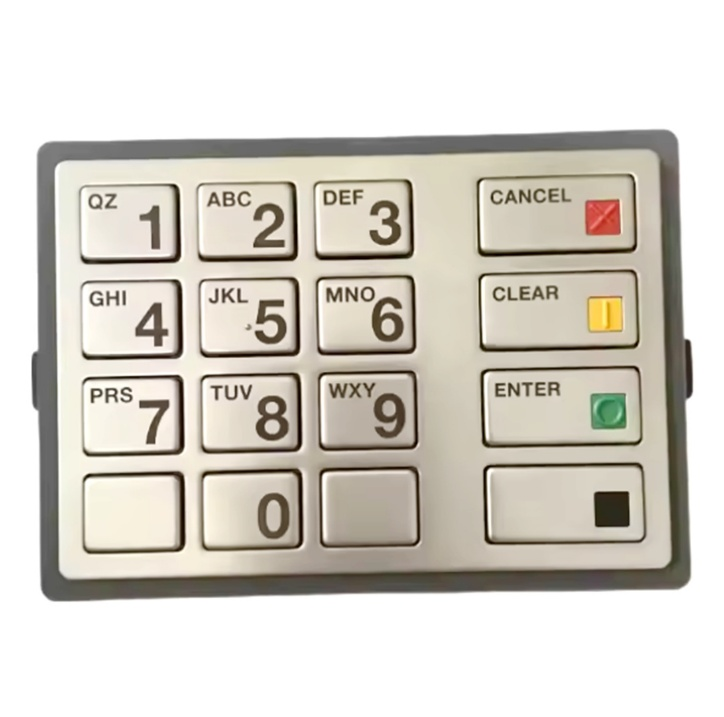
Motherboard, encrypting PIN pad, card reader head, cash dispenser/stacker core, note sensors |
Original New |
|
High-wear consumables |
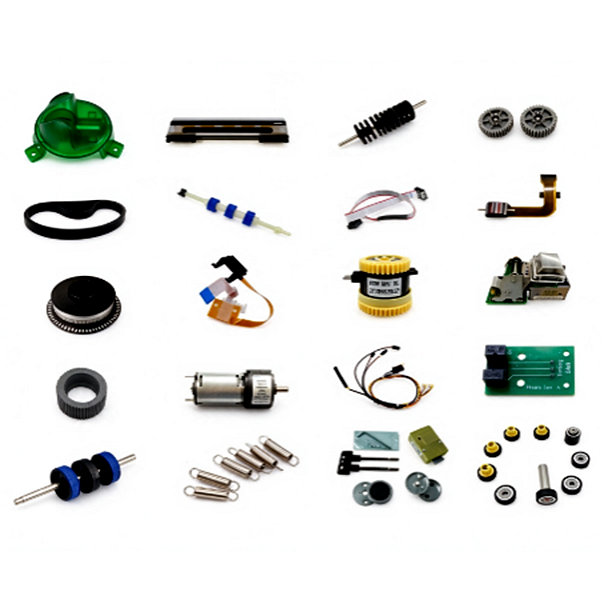
Pick wheels, rollers, belts, straps, small sensors, rollers |
Generic New acceptable |
|
Power and electromechanical modules |
Motors, power supplies, displays |
Depends on brand reputation; prefer known good brands |
|
Cost-sensitive or end-of-life machines |
Aging machine generations under budget pressure |
Mix of Generic New and refurbished parts with testing |
5.3 Practical Recommendation
A hybrid sourcing strategy usually provides the best balance. Use Original New parts for security-critical and core modules, and Generic New or refurbished parts for low-risk, high-consumption items. Always purchase from reputable suppliers, confirm warranty and testing procedures, and keep records of part performance so that the sourcing policy can be refined over time.
6. Conclusion
Understanding the quality grades offered by ATM parts suppliers enables maintenance teams to balance cost, reliability and availability. Original New parts deliver the highest reliability and support, while Generic New parts offer significant savings for non-critical components. By classifying parts by criticality and applying a structured selection policy, operators can optimize machine uptime and total cost of ownership.